Starting a photography, film, broadcasting, journalism, digital media, content creation or other creative program this fall?
Welcome to a whole new way of looking at the world.
You’re about to learn why shutter speed matters, how changing a focal length can completely transform a story, why good audio is just as important as good video, and eventually why you can never seem to have enough memory cards.
But before the assignments begin, you need a kit.
The good news is you don’t need to buy everything on day one. Start with the essentials, invest in gear that can grow with you, and take advantage of student pricing where you can.
Henry’s has put together a dedicated Back to School hub for Canadian photography and video students, including current student offers, gear and resources for the 2026–2027 school year.
First Question: What Are You Going to School For?

Your program should help determine where you spend your money.
Photography students will likely want to prioritize a capable interchangeable-lens camera, a versatile first lens and a good tripod.
Film and video students may put more of their budget toward video capabilities, audio, lighting, stabilization and storage.
Journalism and documentary students should think about portability, auto-focus, battery life and having a kit they can deploy quickly.
Marketing, social media and content creation students might benefit most from a strong hybrid camera that can shoot great photos, horizontal video and vertical content.
Don’t just buy the camera everyone else has. Think about what you’re actually going to create with it.
Start With a Camera That Can Grow With You
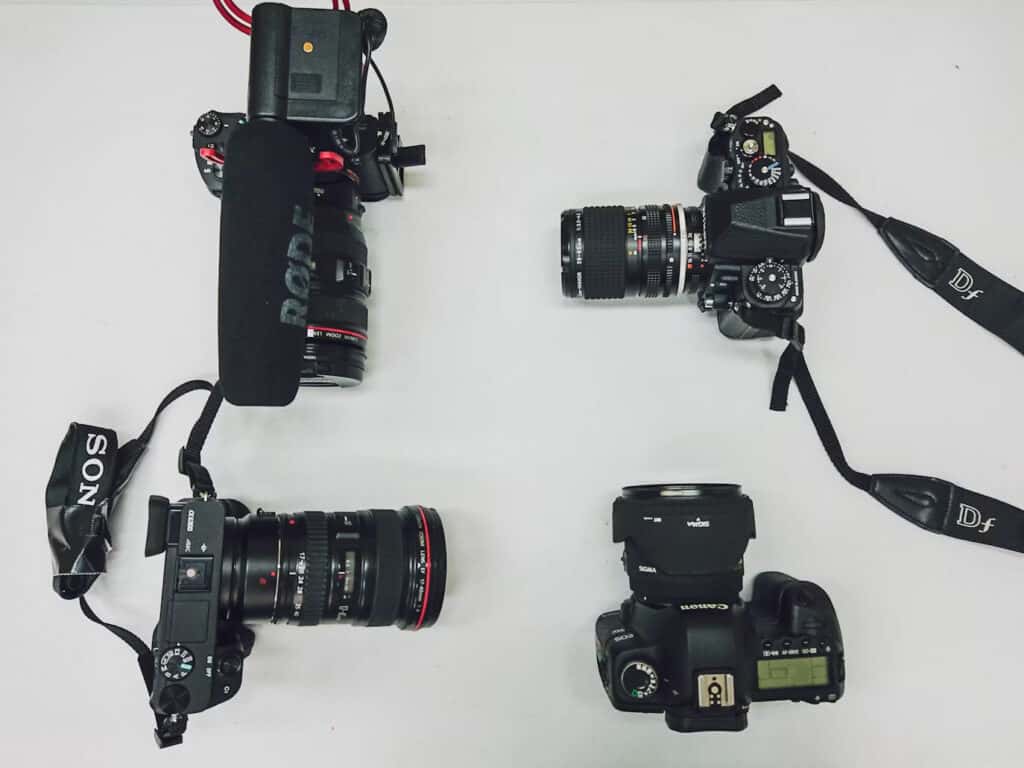
Your first serious camera doesn’t have to be your last, but buying into a good camera system means you can add lenses and accessories as your skills develop.
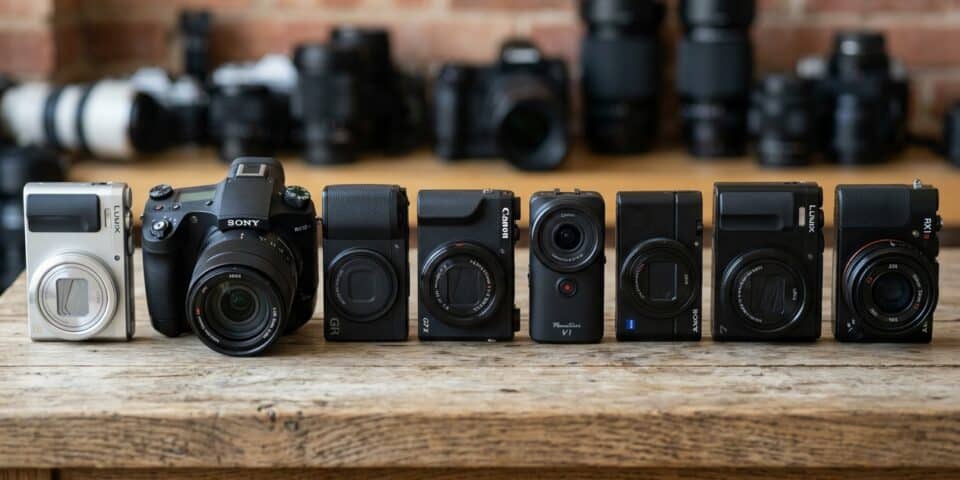
A few cameras worth considering for students include:
Canon EOS R50
A fantastic starting point for someone moving beyond their smartphone. It’s compact, approachable and capable of producing excellent photography and video without immediately overwhelming a beginner.
It’s particularly appealing for students learning photography, social content, journalism or basic video production.
Sony Alpha a6700
This is where things get more serious.
The a6700 is a powerful hybrid camera in a relatively compact APS-C body. Its strong auto-focus, photography capabilities and advanced video features make it a camera a student can learn on and continue using as assignments turn into professional work.
For someone studying both photography and filmmaking, it’s a compelling long-term option.
Nikon Z5II
Want to start with full frame?
The Z5II gives students a capable entry into Nikon’s Z system with the image quality and low-light advantages that make full-frame cameras attractive for portraits, events, landscapes and more demanding photography.
Fujifilm X Series
Fujifilm is another system worth exploring, particularly for students interested in photography, documentary work and street photography.
The tactile controls on many Fujifilm cameras also encourage you to understand what your settings are actually doing rather than simply leaving everything on Auto.
Don’t Spend Your Entire Budget on the Camera

This might be the most important advice in this article.
A camera body is only part of your kit.
You’ll probably need a memory card immediately, and having a second one is a very good idea. Henry’s also recommends considering a tripod, particularly when you’re working in low light.
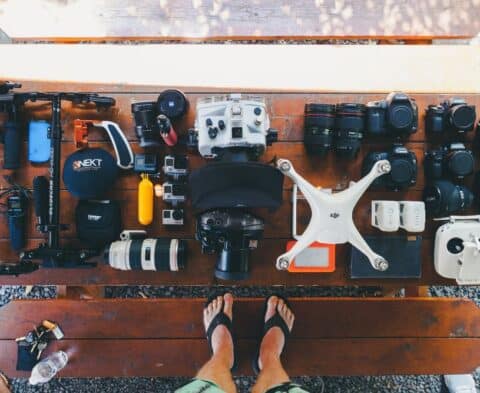
Your student kit should eventually include:
A spare battery
At least two reliable memory cards
A comfortable camera bag
A tripod
A cleaning kit
An external hard drive or SSD for backups
And depending on your program, audio and lighting equipment
Leave some room in the budget for these things.
Your First Lens: Versatility Wins
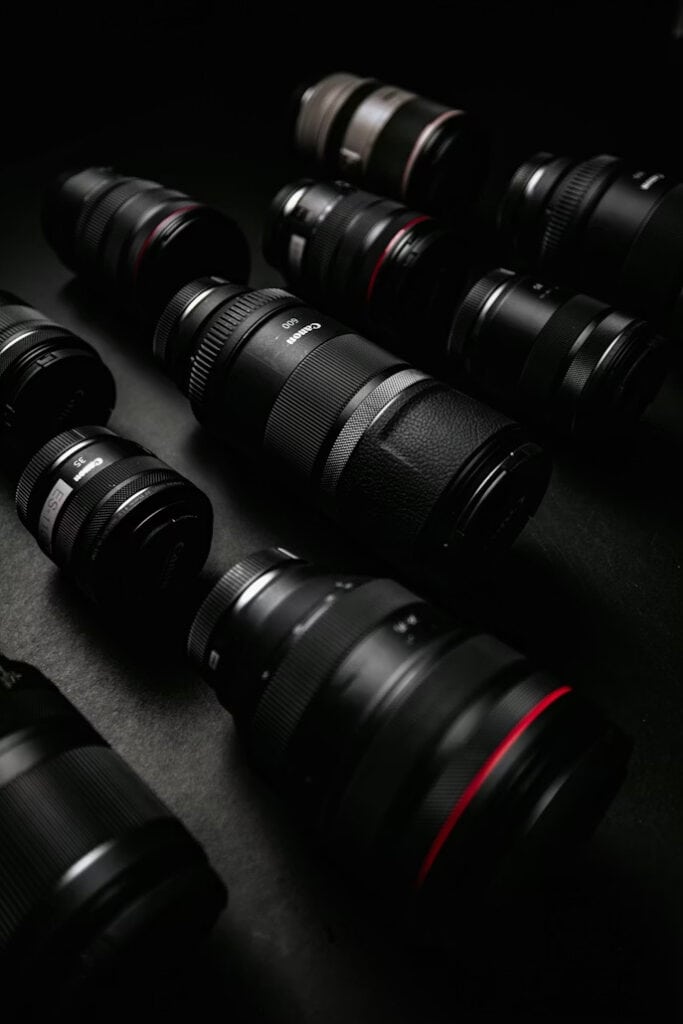
That beautiful f/1.2 prime can come later.
When you’re learning, a versatile zoom lens lets you experiment with considerably more types of photography.
A standard zoom covering roughly wide angle through short telephoto lets you shoot portraits in the morning, an architecture assignment in the afternoon and video that evening.
Once you’ve been shooting for a while, you’ll begin discovering what focal lengths you naturally gravitate toward.
That’s when buying your second lens gets really interesting.
If every portrait you love was shot around 50mm, maybe it’s time for a fast 50mm prime.
If you’re constantly wishing you could get closer to wildlife or sports, start looking at telephotos.
If you’re always backed against a wall trying to fit everything into your frame, you might need an ultra-wide.
Let your photography tell you which lens to buy next.
If You’re Shooting Video, Don’t Ignore Audio
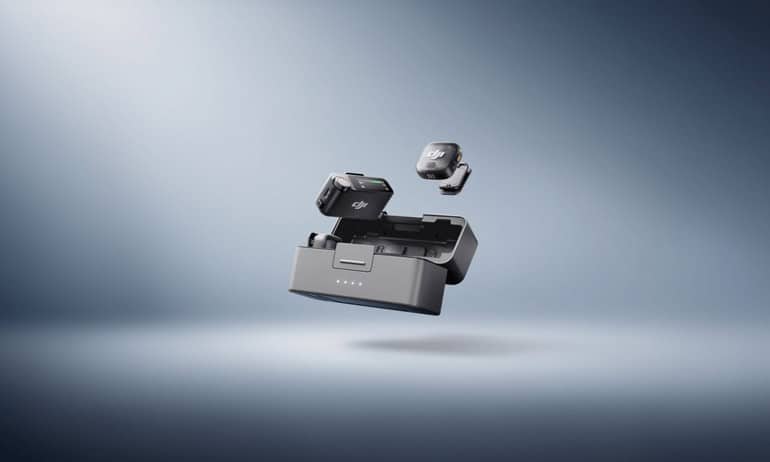
One of the first lessons many new filmmakers learn is that great-looking footage with terrible audio still feels amateur.
A small wireless microphone system from DJI or RØDE can be one of the most useful additions to a student video kit.
You’ll use it for interviews, documentaries, presentations, social content and countless assignments.
And start learning microphone placement now.
Getting a microphone closer to your subject usually makes a bigger difference than buying a more expensive microphone and placing it poorly.
Your Tripod Will Probably Outlast Your Camera
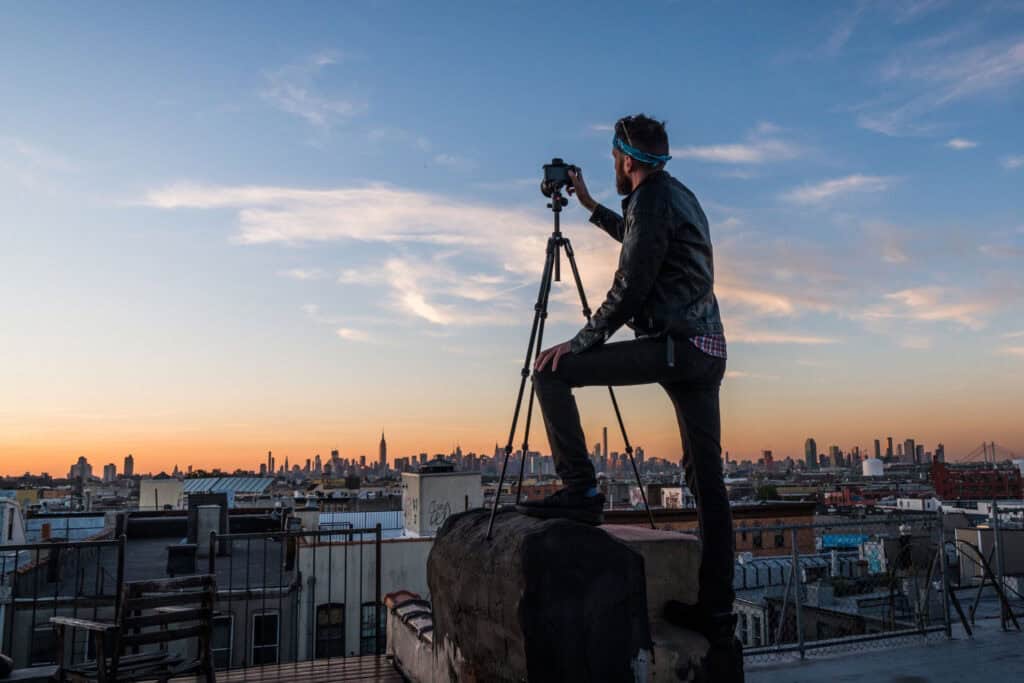
Tripods aren’t particularly exciting when you’re shopping for your first kit.
Then you actually need one.
Long exposures, product photography, studio portraits, interviews, time-lapses and controlled video shots all become significantly easier with proper support.
Buy something sturdy enough for your camera but portable enough that you’ll actually carry it.
A good tripod from brands such as Manfrotto and JOBY can stay in your kit through several camera upgrades.
Start Learning Before Your First Class
Want to walk into your first photography class with a head start?
Learn the exposure triangle.
Understand how aperture, shutter speed and ISO work together.
Then start experimenting.
Photograph someone at f/2 and again at f/8.
Photograph moving water at 1/1000 second and again at 1/10 second.
Raise your ISO and examine what happens to the image.
For video, start learning frame rates, shutter speed, white balance and basic audio levels.
You don’t need to master any of it yet.
The goal is simply to start asking, “What happens if I change this?”
That’s where learning photography gets fun.
Learn to Shoot an Assignment, Not Just a Pretty Picture

This is another skill you can practise before school starts.
Give yourself an assignment.
Tell the story of your neighbourhood in five photographs.
Create a 30-second video about your morning coffee.
Photograph the same person using three completely different lighting conditions.
Document an event without taking more than 20 photographs.
Constraints force you to think.
That’s a skill you’ll use constantly in school and throughout a creative career.
Print Your Work
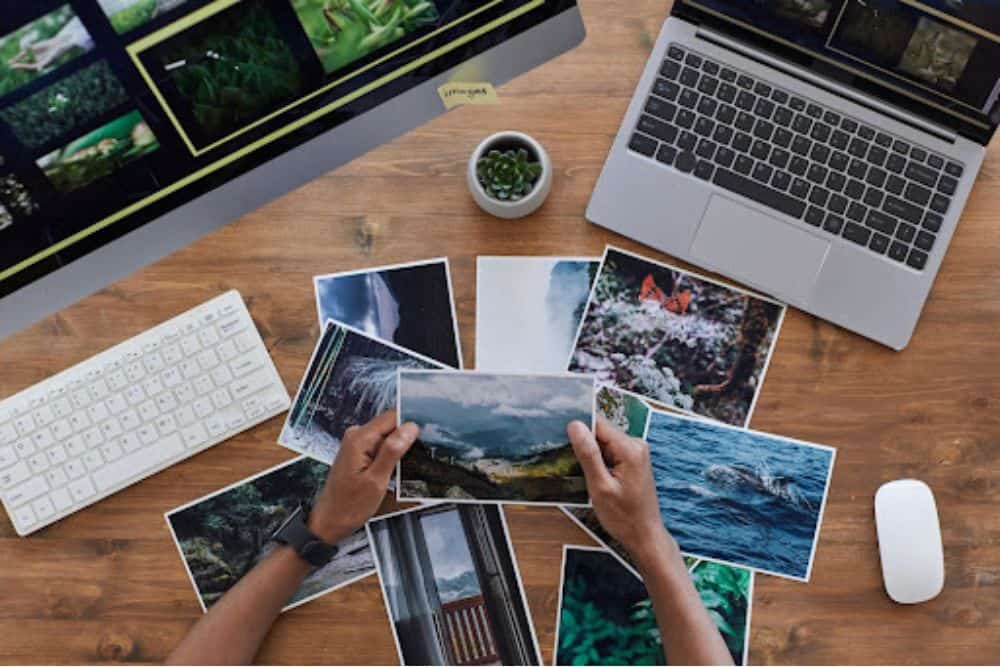
There’s something very different about seeing your photograph on paper instead of a screen.
Printing exposes things you might have missed while editing: colour, brightness, sharpness, cropping and composition all become more obvious.
It’s also something you’ll likely need for presentations and portfolio work.
Students with valid ID can currently save 20% on eligible in-store Henry’s Photo Printing, along with Video Transfer, Image Recovery and Passport Photos.
Don’t Forget Your Student ID
Before buying your kit, check what student offers are available.
Henry’s currently offers cashback and instant savings on select cameras and lenses from participating brands, plus 10% off a wide variety of photo and video accessories and used gear with a valid Student ID.
That can make a meaningful difference when you’re putting together an entire kit.
And don’t overlook used gear. A previous-generation camera or quality used lens can be an excellent way for a student to stretch a limited budget.
Your First Assignment Starts Now
The camera you buy for school isn’t what will make you a photographer or filmmaker.
What you do with it will.
Take it everywhere. Make mistakes. Shoot things that don’t work. Learn why they didn’t work. Try again.
Somewhere along the way, settings that once seemed confusing become instinctive, assignments turn into portfolio pieces, and you start developing a style that actually feels like yours.
If you’re heading into a creative program for the 2026–2027 school year, explore Henry’s Back to School photography and video gear, check out the available student offers, or visit a Henry’s store and talk to someone about building a kit around your program, budget and where you want your creativity to take you.
Explore More & Start Here
- Visit a Henry’s Store
- Start Here: Street Photography Tips, Tricks & Gear
- Macro Photography Starts Here: Essential Tools for Precision and Detail
- Start Here: Moving to Mirrorless — What to Do with Your Lenses
- Back to School Starts Here: The Best Cameras & Gear for Photography and Videography Students

Canada’s Greatest Camera Store
Henry’s has long been known in the Canadian photographic industry as the source for the best and newest products, informed Imaging Experts, award-winning customer service and competitive pricing. Henry’s, competitive pricing since 1909 and has evolved into Canada’s largest independent photographic and digital retailer.