The more I travel with a camera, the more I realize that good travel storytelling starts before the trip.
It’s easy to think about travel photography as something that happens once you arrive. You pack your favourite camera, throw a few lenses in a bag, bring enough memory cards and hope the right moments happen in front of you.
That works sometimes.
But I’m heading to Panama with my family soon, and this trip has forced me to think more carefully about what I’m bringing, what I want to capture and how I want the final story to feel.
Our trip is taking us from Toronto to Panama City, then we’re flying a regional flight from Panama City to Bocas del Toro in Panama, an ecotourism archipelago on the Caribbean nearing Costa Rica. We will be staying in over-the-water villas, snorkelling over reefs and exploring lush rain forests.
Packing is my biggest challenge.
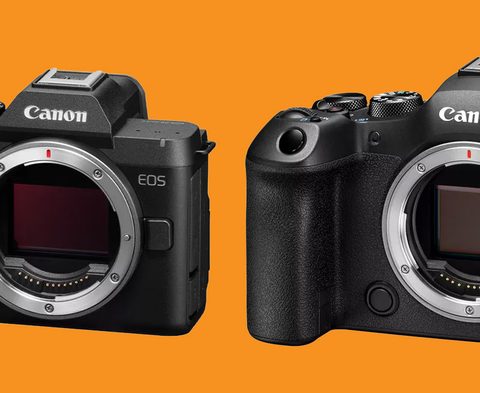
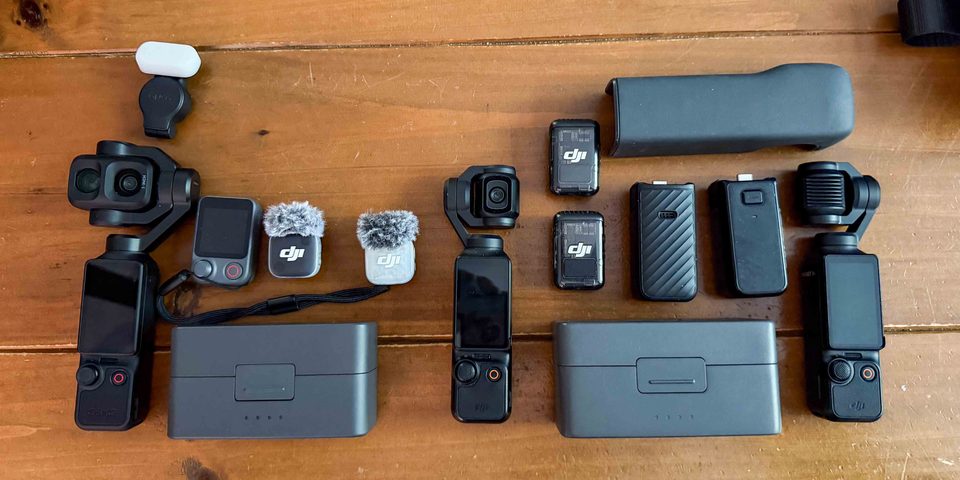
I’m taking my Canon EOS R5 MkII for landscape and wildlife photography, a DJI Osmo Pocket 4 Pro with DJI Mic Mini2 for family video, and GoPros for snorkelling and anything involving water.
The challenge is that we’re also taking a regional flight where the checked baggage allowance is closer to what most of us would consider carry-on size.
So I can’t bring everything.
And that’s actually a good thing.
It forces me to make better decisions before I leave.
Start With the Story You Want to Bring Home
Before thinking about lenses or accessories, I think the most important question is:
What do I actually want this trip to look like when I remember it later?
For me, there are really two stories.
The first is photography.
I want the bigger visual moments from Panama. Landscapes. Wildlife. City scenes. Street photography. Food. Weather. Jungle. Water. Details that feel different from home.
The second is family adventure.
That’s where video becomes more important.
I want the movement between places. The airport. The boat rides. The kids discovering something new. Snorkelling. Restaurants. Rain. Tired moments. Funny moments. All of the little things that make the trip feel like our trip.
Once I separate those two goals, the cameras make much more sense.
The R5 is there when I want to make a photograph.
The Pocket 4 Pro is there when I want to capture the experience.
The GoPros are there for the kids to use and capture their perspective and also when we’re in the water swimming.
That simple distinction is already making packing easier.
Don’t Experience the Entire Trip Through a Lens
This is one of the easiest mistakes to make when you love photography or videography.
You start thinking about the light, the next composition, whether you should switch lenses, if the Pocket is rolling, or whether there’s a better angle around the corner. Before long, you’re technically documenting the trip while barely being part of it.
Photos and videos matter. They help preserve the moments we know we’ll want to remember later. But the people you’re travelling with matter more.
Sometimes the best decision is to put the camera away.
Join the swim instead of filming it. Sit down for the meal without setting up a shot first. Watch the sunset with your family instead of spending the entire thing adjusting exposure. If your kids are laughing, your partner is talking to you, or something genuinely meaningful is happening, don’t automatically turn it into content.
A good travel story doesn’t require footage of every second.
In fact, it’s often stronger when you’re selective.
Capture the beginning of the moment, a few details, maybe one great photo, and then be present for the rest. You’ll still come home with enough material to tell the story, but you’ll also come home having actually lived it.
For me, that’s an important part of the planning too: deciding not only what I want to shoot, but when I’m going to stop shooting.
How Many Lenses Do You Really Need for Travel?
This is probably the hardest question for any photographer.
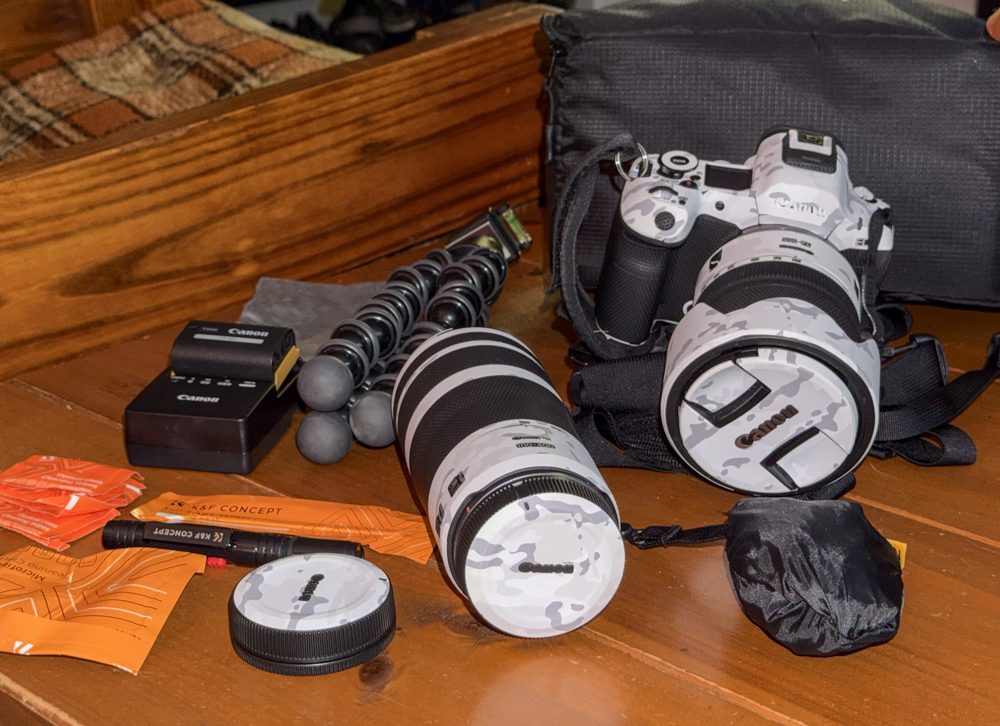
I currently have three obvious options for my Canon R5: a RF 24-105mm F4, RF 100-400mm F5.6-8, and RF 35mm macro.
My first instinct is to bring all three.
Because what if?
What if I see a great bird?
What if I want a macro shot?
What if I need a faster lens?
But “what if” is how camera bags get heavy.
The better question is: what role does each lens actually play?
The 24-105mm is the easy choice. It covers most of the trip. City scenes, landscapes, family photos, food, portraits and general travel photography all fit comfortably into that range.
The 100-400mm also earns its place because wildlife is one of my actual goals. If I leave it at home and end up watching monkeys, birds or distant wildlife from a boat, I know I’ll regret it.
The 35mm macro is where I have to be more disciplined.
I love macro work, and Panama is full of subjects that would make it useful. Plants, insects, food and details would all benefit from it.
But it overlaps much more with what the 24-105mm already gives me.
So unless macro becomes a specific priority, that’s probably the lens that stays home.
That gives me two lenses with two very clear jobs.
The 24-105mm handles the trip.
The 100-400mm handles the wildlife.
That’s a much easier system to live with.
Pack for the Hardest Part of the Trip
One thing that is easy to overlook is that your largest flight is not always the one that should dictate your luggage.
Our regional flight is the restrictive one.
That means I need to pack for that leg first.
If the bag works there, it works everywhere else.
That changes how I think about everything.
Cameras, lenses, memory cards and batteries need to stay with me whenever possible.
Clothing and replaceable gear can take the risk.
The expensive equipment and irreplaceable files cannot.
Waterproofing Matters More Than I Usually Admit
Panama is wet.
We’ll be around boats.
We’ll be snorkelling.
Rain is a real possibility.
So this time, waterproofing isn’t something I’m treating as an extra.
It’s part of the kit.
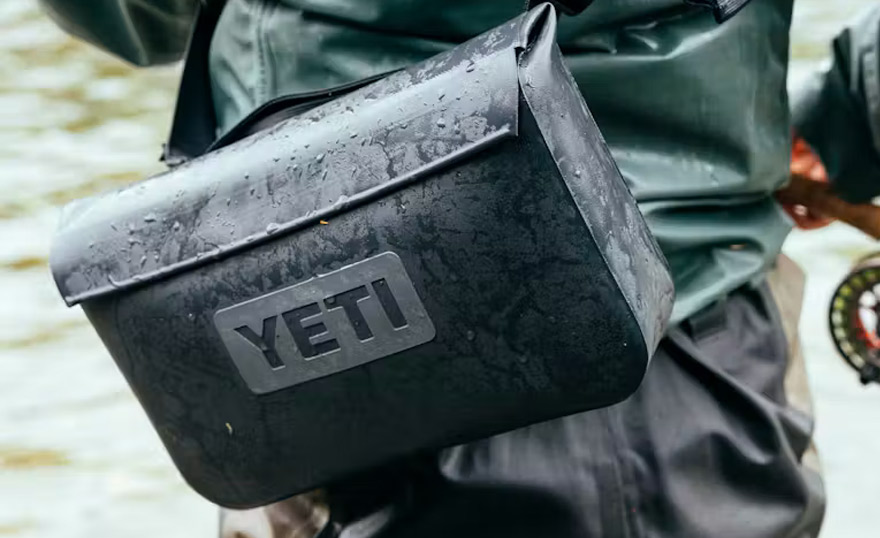
I want a water-resistant main bag, a rain cover and a waterproof day bag.
For my bags, I am utilizing weatherproof equipment I already own from other hobbies like fishing, camping and beach going.
That gives me layers of protection.
It also means I can isolate wet gear.
A wet GoPro, damp towel or rain jacket should not be sitting next to the R5 for the rest of the day.
That sounds obvious, but travel bags get messy fast.
How Do You Back Up Photos Without a Laptop?
This is another part of the trip I’ve had to think about differently.
I’m not bringing a computer.
That means I can’t rely on the normal routine of dumping everything onto a laptop at night.
So the strategy changes.
The easiest answer is to bring more memory than I think I need.
I forgot to buy extra memory storage so am relying on what I have and am using a strategy to manage storage on the go.
I have a the following:
- 128GB CF Memory Card for my R5.
- 256GB Micro SD Card for my DJI Pocket 4P,
- 128GB Micro SD Cards for the GoPro’s.
From experience this should be enough.
Additionally I have downloaded Canon’s CameraConnect App, DJI Mimo App and the GoProQuick App that will allow me to connect to my devices and save important moments on my phone.
Every night I plan to review what I shot, download the photos and videos I want to keep and delete duplicate shots and content I don’t want to keep.
Instead of having 1,000 photos and videos, I should have a smaller more refined selection.
I don’t need to copy everything to my phone.
Just the things I would be devastated to lose.
The best family moment.
A great wildlife encounter.
A photograph I know is special.
That gives me at least some redundancy without travelling with a full editing setup.
Charging Needs to Become a Routine
Travel photography falls apart pretty quickly when batteries are dead.
Fortunately, Panama uses the same outlet style we’re used to in Canada, so I don’t need to complicate things with a large collection of adapters.
My plan is simple.
Every night, everything gets plugged in.
The R5 batteries.
Pocket 4 Pro.
GoPros.
Phone.
Battery bank.
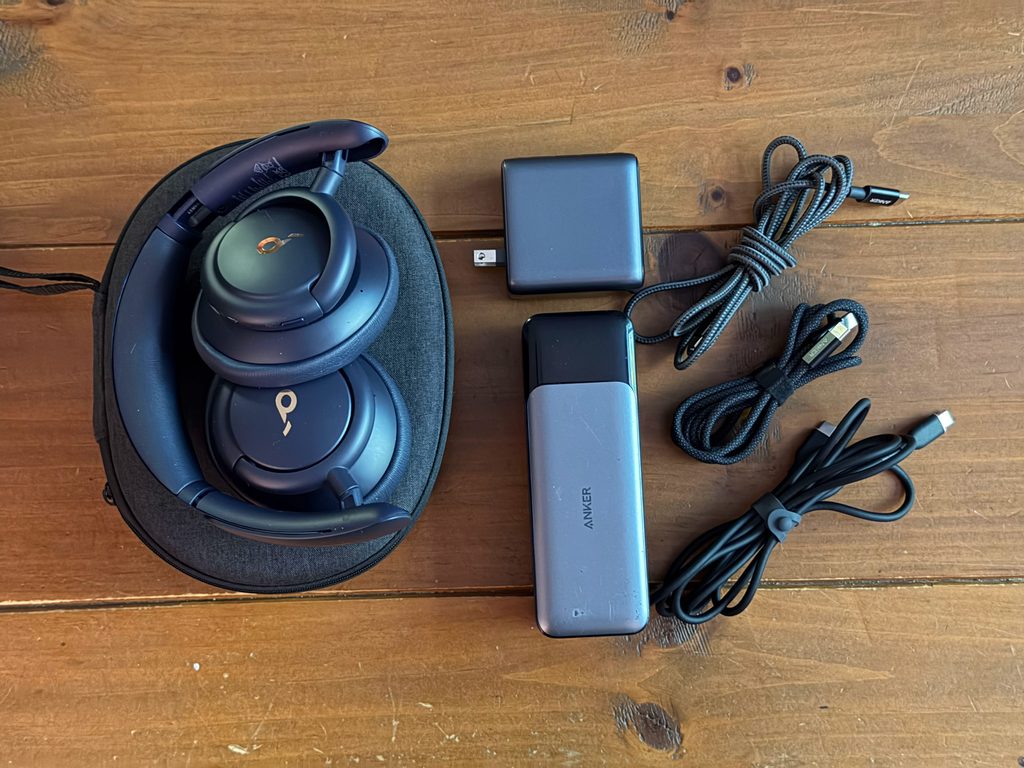
I’m also bringing high-output USB cables and a good multi-port charger so I can charge several devices at once.
That should keep the setup simpler than travelling with a separate charging brick for everything.
The battery bank will cover transit days, boats and anything else where I’m away from power for long stretches.
What Else Is in My Bag?
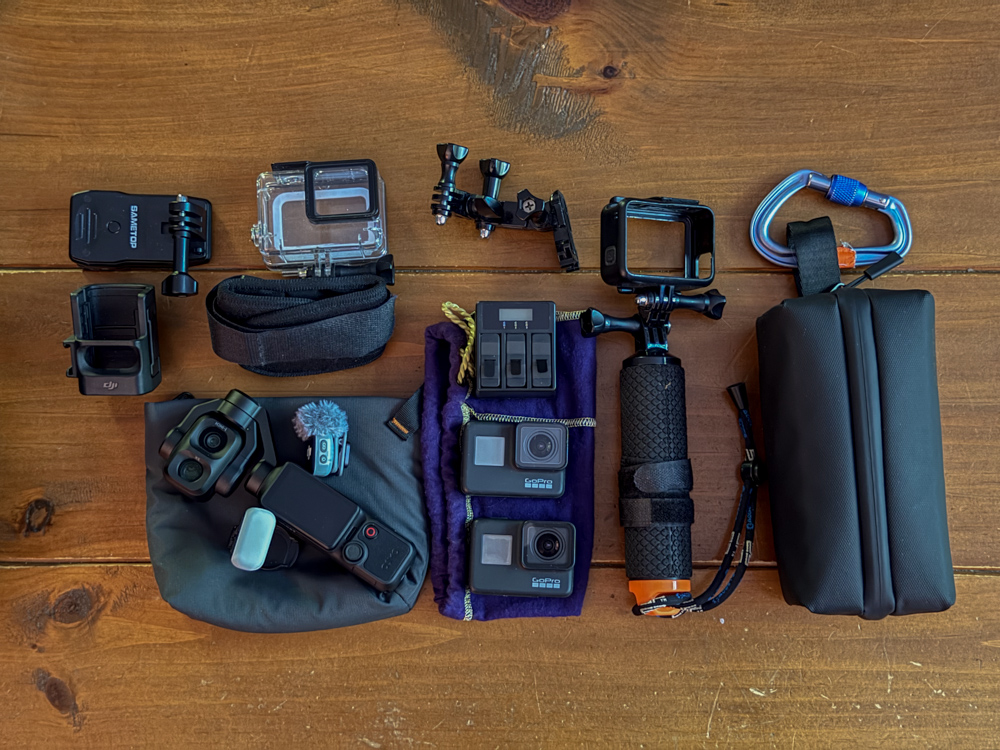
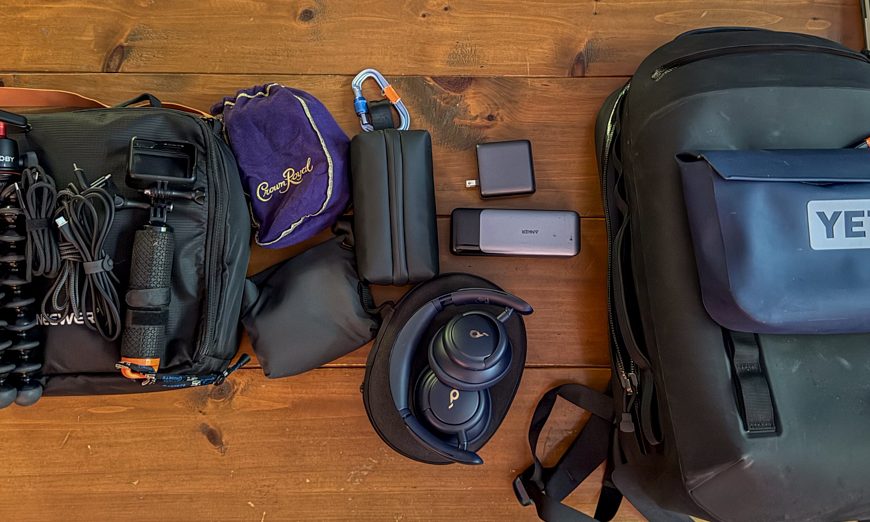
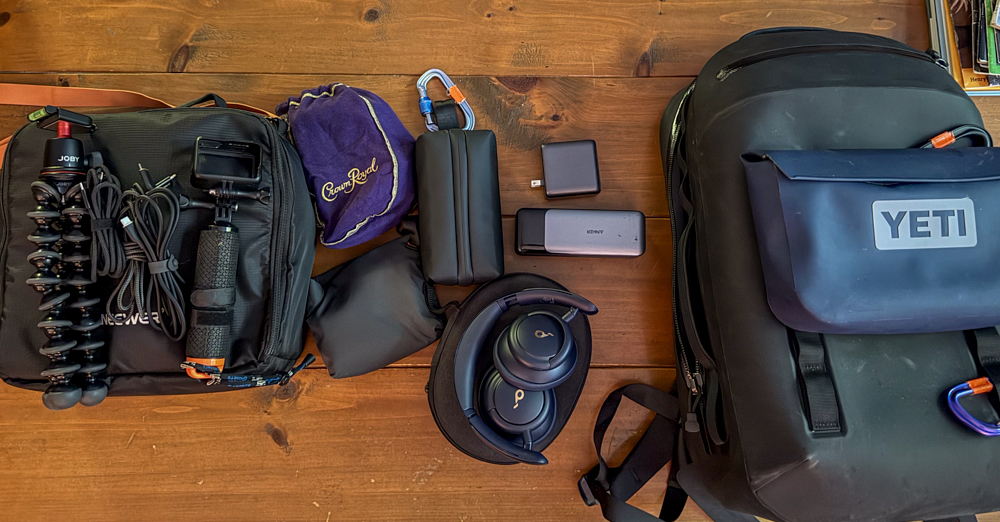
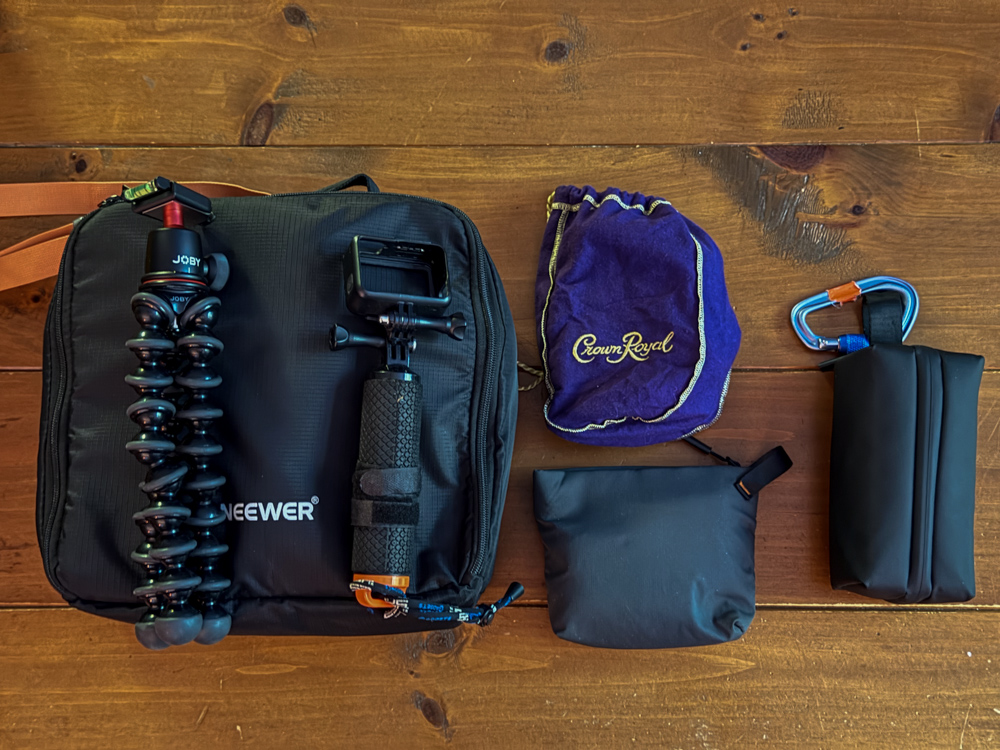
Because space is limited, I’m keeping the rest of the kit as compact and practical as possible.
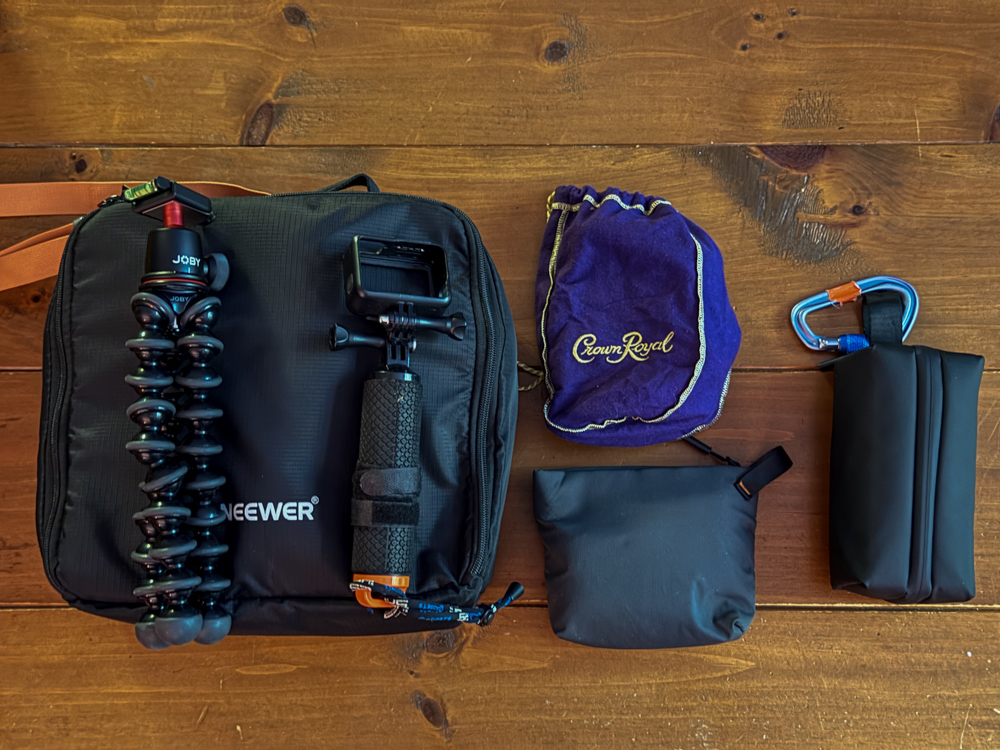
I bought a waterproof bag specifically for this kind of travel, with enough internal pockets to keep personal items separate from camera gear. For the GoPros and DJI Pocket 4 Pro, I’m only bringing the attachments I know I’ll use: a waterproof cover, floating handle, a few extension pieces, batteries, charger, one microphone and a small DJI light. Everything fits into soft pouches that are easy to pack and quick to grab.
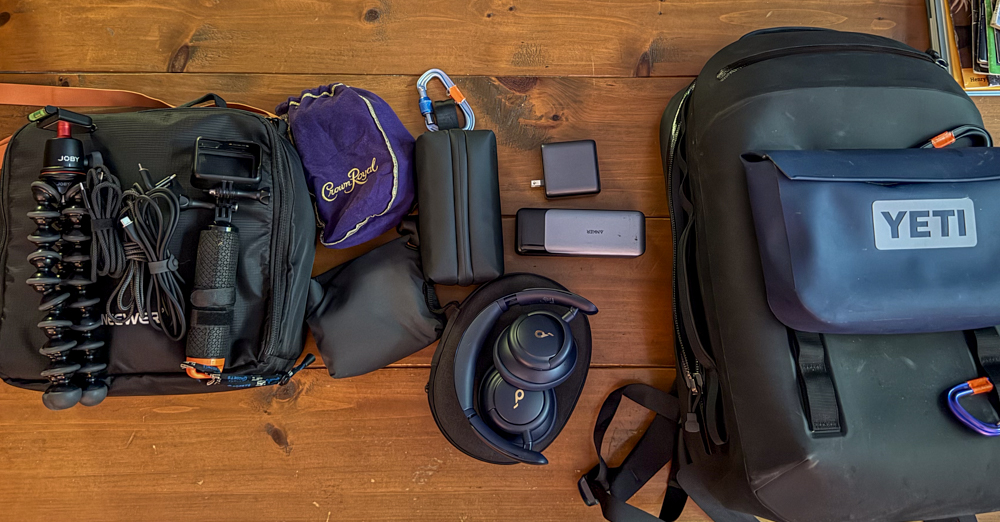
For the Canon R5, I’m carrying an extra battery and charger, a small cleaning kit, weather protection, a USB key, microfibre cloth and a JOBY tripod. It all fits into a compact packing sleeve with dividers, which keeps the camera gear organized without taking over the entire bag.
I’m also bringing a battery bank for charging on the go, 140W+ USB-C cables, a 140W charging block and headphones.
That’s it.
The goal is to have one waterproof personal bag that is organized, easy to carry, quick to access and ready for everything from airports and regional flights to boats, rain and long days exploring.
Think About the Kinds of Images You Want Before You Arrive
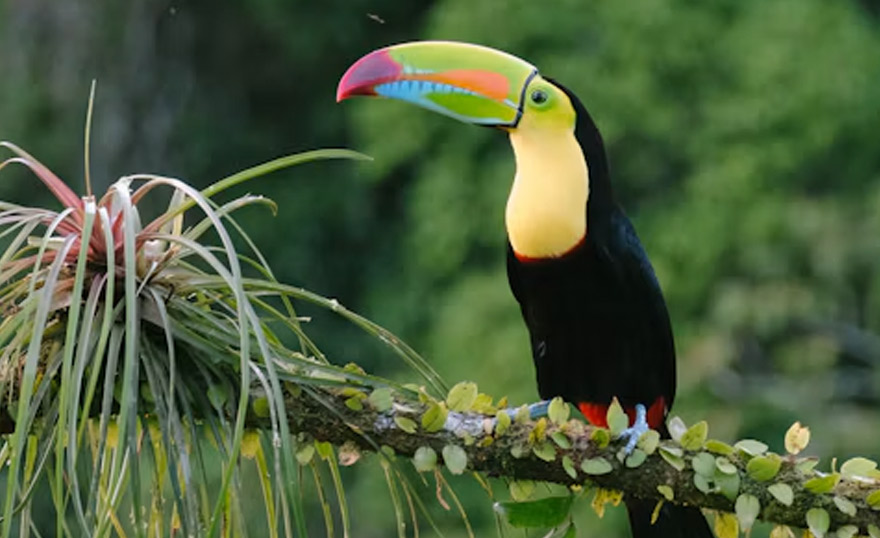
I don’t want a traditional shot list.
I don’t want to spend the trip checking boxes.
But I do want to think about the types of scenes I want to come home with.
That matters because it changes how I look at a location.
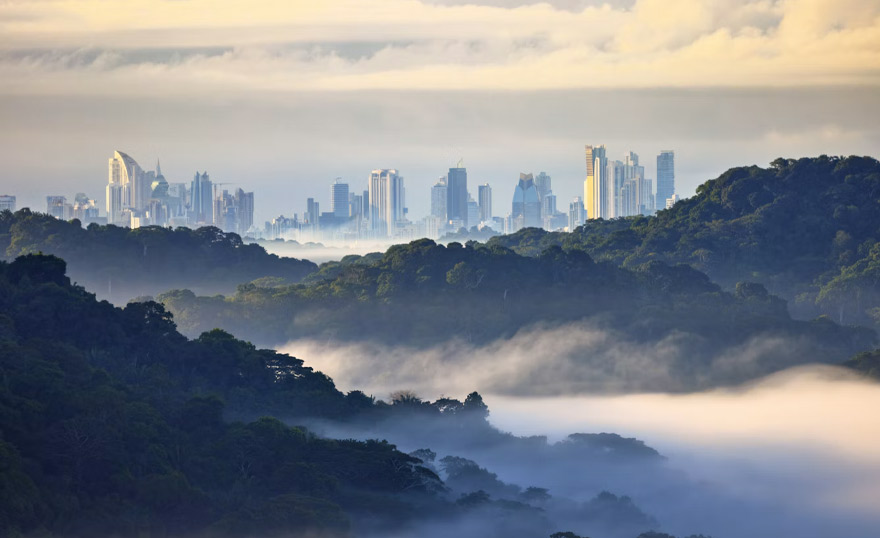
In Panama City, I want architecture, street scenes, food, people moving through the city and the contrast between modern buildings and older neighbourhoods.
Outside the city, I want landscapes, water, rainforest, weather and wildlife.
For the family video, I want the movement between all of those places, candid moments and emotional moments. I am bringing kids afterall!
- Airports.
- Planes.
- Boats.
- Cars.
- Hotel arrivals.
- Meals.
- Walking.
- Snorkelling.
- Rain.
The moments between the big moments are what make the final video feel complete.
Think in Sequences Instead of Individual Clips
This is probably one of the biggest things I want to improve.
Instead of filming one long clip, I want to build scenes.
Take a boat ride.
Rather than recording three minutes from one angle, I can get a wide shot of the boat, a close-up of a hand grabbing the railing, someone putting on a life jacket, the engine starting, water moving past the hull and the family looking out toward the destination.
This is where the DJI Pocket 4P will shine. With the 3x zoom lens, I am able to capture tight shots and then transition back to wide shots with a hit of a button.
That gives me a sequence.
Those short clips are much easier to edit into a story.
And they make the viewer feel like they were there.
Don’t Forget the Sound
Travel is full of sound.
Waves.
Rain.
Birds.
Markets.
Engines.
Restaurants.
Street noise.
One thing I want to do intentionally is record some of that ambience.
Even 20 seconds of clean natural sound can make a video feel dramatically more immersive.
It also gives the edit room to breathe.
Not every scene needs music.
Sometimes the sound of where you are is enough.
Decide How You’ll Carry Each Camera Before You Leave
This is another thing I’m trying to solve ahead of time.
The cameras need to be accessible.
If they’re buried in the bag, I won’t use them.
For the Pocket 4 Pro, I’m using a backpack mount while hiking or moving around.
That gives me quick access and can also work for hands-free footage.
For the R5, I have a chest-mounted carry system.
That keeps it secure but reachable.
For the GoPro, I’m bringing a wrist mount, waterproof case and floating handle for when we’re in the water.
My iPhone 17 Pro Max will fill in shots when I don’t feel like taking my gear out.
Each one has a purpose.
The goal isn’t to bring every mount I own.
It’s to bring the ones that match how I’ll realistically shoot.
Plan for Bad Weather Instead of Avoiding It
I actually want rain in some of the footage.
Wet streets.
Water running off buildings.
Rain hitting leaves.
Storm clouds.
Reflections.
Mist.
Those conditions can be far more interesting than blue skies every day.
So part of planning the story is accepting that bad weather can become part of it.
That mindset changes the way I pack.
It also changes the way I shoot.
Give the Trip a Beginning and an Ending
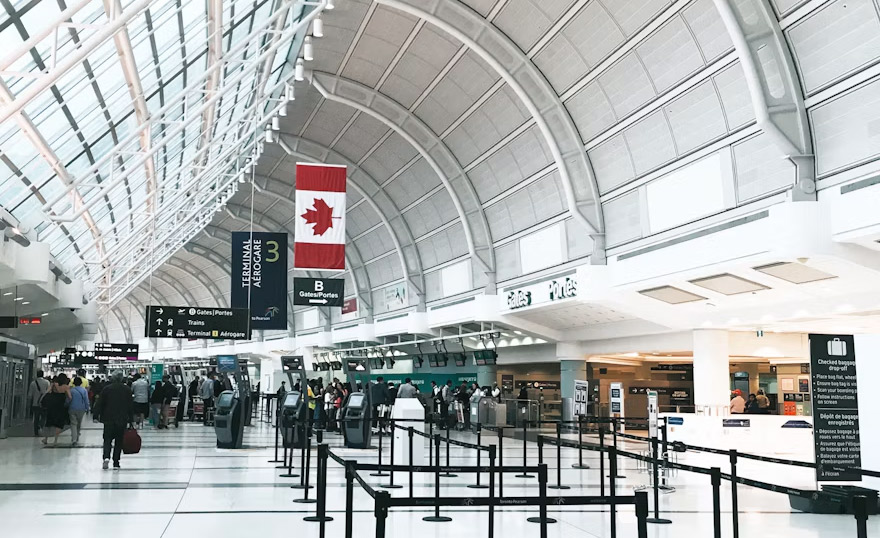
This is something I’ve missed before.
The story doesn’t start when we land.
It starts at home.
Packing.
Loading the vehicle.
Driving to the airport.
Checking bags.
Waiting at the gate.
The flight.
Arrival.
The same thing applies at the end.
The last morning.
Packing everything back up.
The final boat ride.
Airport.
Flight home.
Those moments are incredibly useful in an edit because they give the trip structure.
Without them, you often end up with a collection of great clips that don’t really have a beginning or an ending.
I repeat… Leave Room to Actually Be There
This may be the most important part of the planning process.
I don’t want to spend ten days producing a travel film.
I want to spend ten days travelling with my family.
The cameras are there to help me remember it.
Not to take me out of it.
That means there will be times when the R5 stays in the bag.
There will be moments I don’t film.
There will probably be shots I miss.
That’s okay.
The goal isn’t to document everything.
It’s to capture enough of the right things that the photographs and video bring the rest of the memories back.
The Questions I’m Asking Before I Pack
This is probably the simplest way to think about the whole process.
What story am I trying to tell?
What does each camera actually do for that story?
What gear solves a real problem?
What am I carrying only because I might need it?
What kinds of photos and video do I want to come home with?
How will I protect the gear from rain and water?
How will I handle memory without a computer?
How will I charge everything every day?
How will I carry the cameras so they’re actually accessible?
And can I comfortably carry all of it for the entire trip?
If the answer to that last question is no, something has to stay home.
A Final Note… Better Planning Means Less Thinking Once You Arrive
That’s really the whole point.
I don’t want to get to Panama and spend my time thinking about gear.
I want the gear decisions already made.
The R5 handles the photographs.
The 24-105mm covers most situations.
The 100-400mm gives me the wildlife reach.
The Pocket 4 Pro captures the family story.
The GoPros go in the water.
Everything has a job.
And if I’ve done the planning properly, I should be able to spend less time thinking about cameras and more time paying attention to what is happening in front of them.
That’s ultimately what makes a better travel story.
Not more gear.
Better intention.
Explore More Travel Tips
- Travel Smart: Passport Services, Camera Gear, and Creative Travel Tips
- Travel Photography Today: Lighter Gear, Better Stories
- What’s In My Bag: Preparing to Travel Light and Shoot Big.
- How to Prepare Photography Gear for an Epic Family Adventure
- Stunning Wildlife, Mountains & the Canon R5 MkII in Beautiful BC