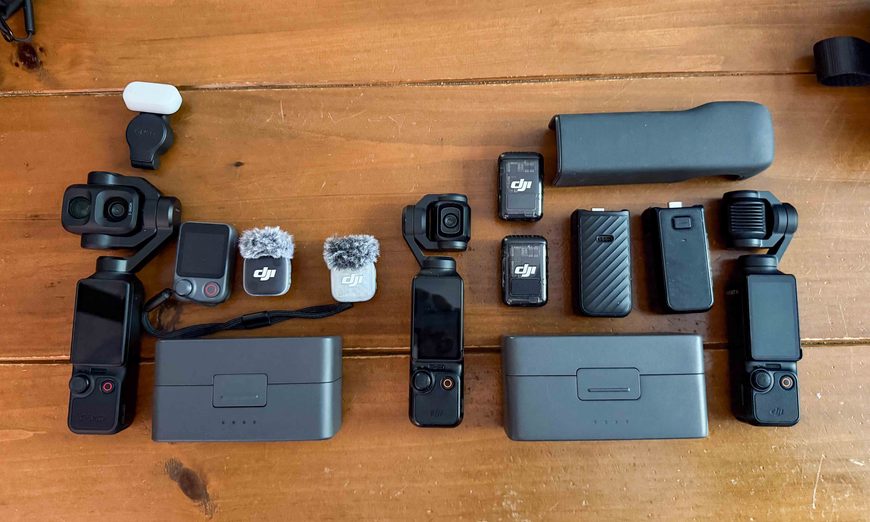
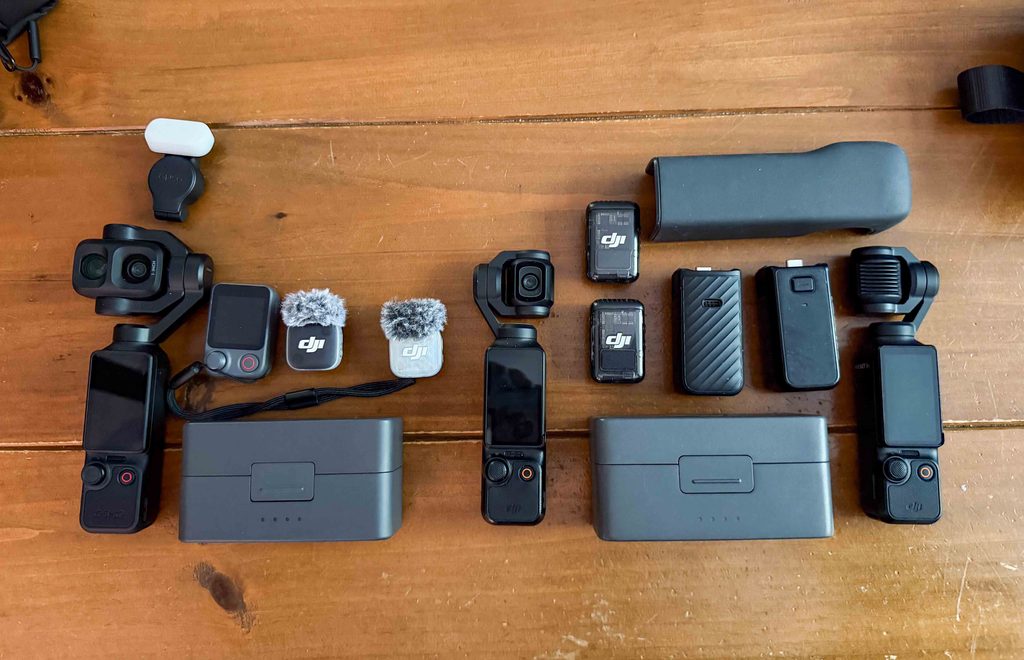
Pocket cameras have changed the way a lot of us think about video.
You no longer need a full camera rig to get stabilized, high-quality footage, and you don’t need to choose between something portable and something capable. DJI’s Osmo Pocket line has become popular because it gives creators a camera they can actually carry all day.
With the Osmo Pocket 4 and the newer Pocket 4P, DJI now gives you two very capable options that look similar at first glance, but are actually designed for slightly different users.
The easiest way to think about it is this:
The Pocket 4 is the better choice for most people.
The Pocket 4P is the better choice for people who know why they need the extra flexibility.
Why Pocket Cameras Work So Well
The biggest advantage of a pocket gimbal isn’t one specific feature.
It’s that you actually bring it.
A mirrorless camera can absolutely produce incredible video, but it comes with lenses, batteries, a bag, and usually more setup. The Pocket 4 and 4P are ready within seconds, stabilized mechanically, and small enough to use without making every moment feel like a production.
That matters for travel, family adventures, real estate, social media, YouTube, and just about any situation where the moment might disappear before you finish setting up.
Both cameras also make switching between horizontal and vertical shooting easy, which is increasingly important when the same content may end up on YouTube, Instagram, TikTok, or Shorts.
Why I’ve Moved So Much of My Workflow to DJI Pocket Cameras
I run a content company that creates social media videos for a mix of small and medium-sized businesses, and over the years my camera kit has changed a lot. The video above was shot with DJI Air 3S and DJI Pocket 4P and edited on my iPhone 17 Pro Max.
I used to lean heavily on larger DSLR and mirrorless cameras for almost everything. They still have an important place in my work, but for day-to-day content creation I’ve increasingly moved toward DJI Pocket cameras because they simply make the job easier.
The biggest reason is convenience.
Truthfully most social media videos these days get 30 seconds of view-time and disappear on peoples feeds. So cinematic 4K+ stunning videos have become less demanding compared to 30 second vertical videos that are quick and impactful.
These handheld cameras are small enough to carry everywhere, the batteries last well and charge quickly, and the built-in storage gives me a safety net if I forget a card or need a little extra space. I can shoot, transfer footage directly to my phone, make a quick edit, and publish content while I’m still on location.
That kind of speed matters when you’re creating content for clients.
The quality is also far better than most people expect from something this small. The 4K footage holds up extremely well for social media, the built-in gimbal makes walking shots and quick handheld clips look polished, and the cameras are easy to move between horizontal and vertical content depending on where the video is going.
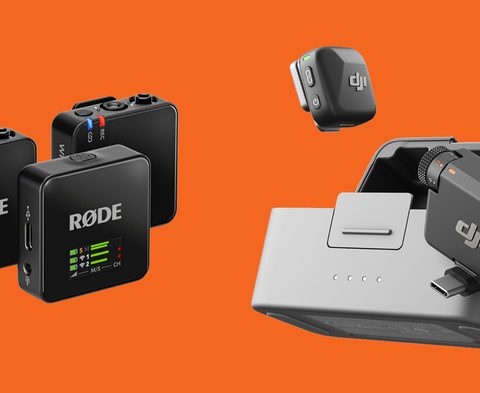
The DJI microphones fit into the ecosystem seamlessly. The connect remotely and record pretty impressive audio!
I’ve now owned and used the DJI Pocket 3, Pocket 4, and Pocket 4P across my workflow, and they’ve become some of the most-used cameras in my kit.
I use them for social videos, business walk-throughs, interviews, behind-the-scenes content, travel work, and increasingly even podcast production.
They don’t replace every camera I own.
But for the kind of fast, high-quality content I need to create every week, they’ve replaced a surprising amount of larger gear.
DJI Osmo Pocket 4: The One Most People Should Buy
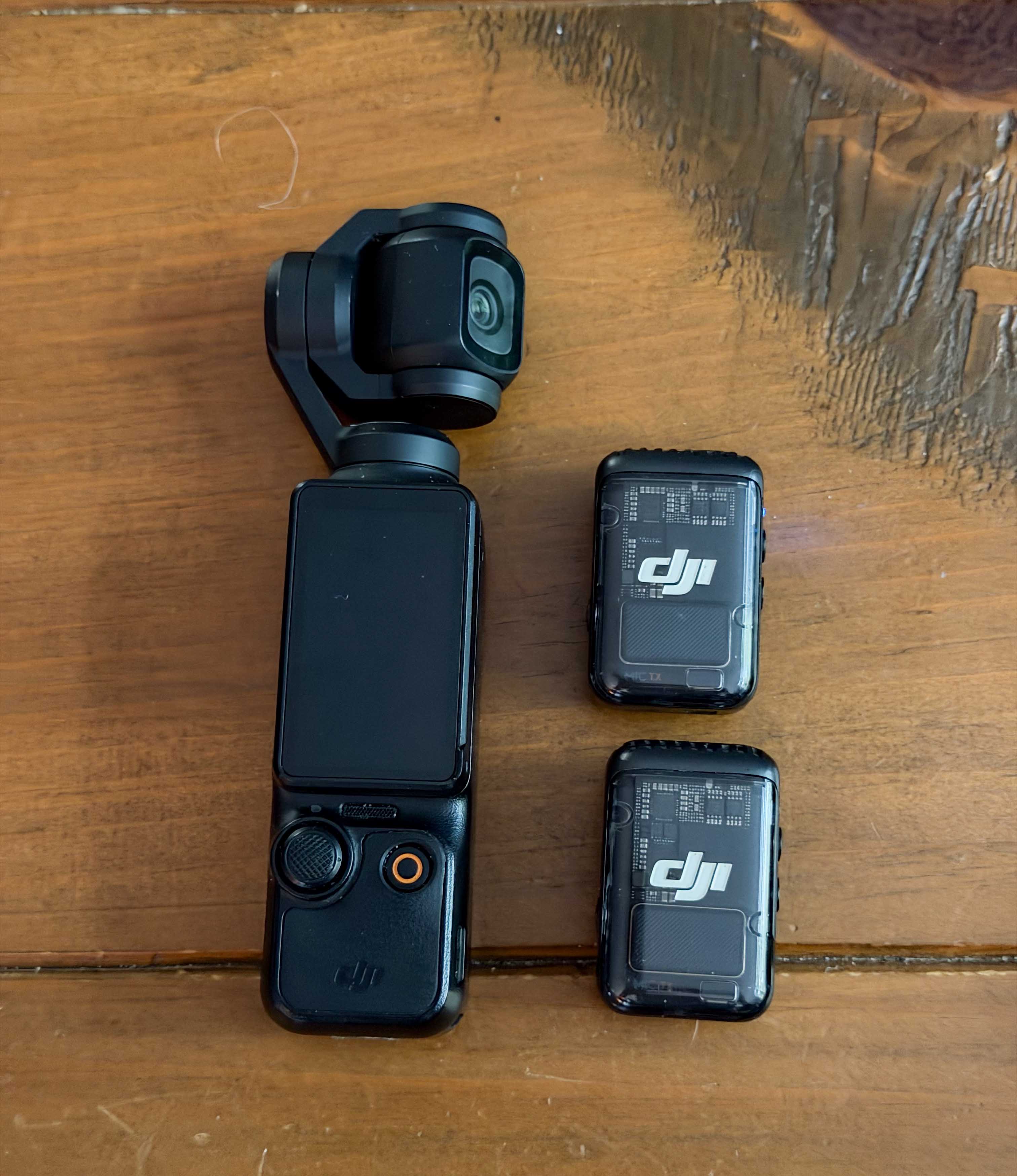
The DJI Pocket 4 is built around a 1-inch CMOS sensor with 14 stops of dynamic range, 10-bit D-Log, 4K recording up to 240fps in slow-motion mode, 3-axis stabilization, a rotatable 2-inch touchscreen, and 2x lossless zoom. It also includes 107GB of built-in storage, which is a surprisingly useful feature when you’re travelling or realize you forgot a memory card.
That combination makes it incredibly capable without feeling complicated.
For everyday creators, the biggest appeal is how little friction there is between seeing something and filming it. You can pull it out, rotate the screen, frame the shot, and start recording almost immediately.
The Pocket 4 also brings features that matter in real shooting, not just on a spec sheet.
Its 1-inch sensor gives you noticeably better low-light performance and more flexibility in bright, high-contrast scenes. The 20mm-equivalent lens is wide enough for travel, walking shots, family video, interiors, and vlogging. ActiveTrack 7.0 helps keep people or subjects framed without requiring a second operator, and built-in timecode makes it easier to sync with other cameras if you eventually use it in a larger production.
Who Should Buy the Pocket 4?
If you’re filming travel, family adventures, YouTube, social content, small business video, or day-to-day creator work, this is probably the smarter buy.
It gives you almost everything most people need, and it keeps the size, weight, and price lower than the 4P.
DJI Osmo Pocket 4P: The More Cinematic Option
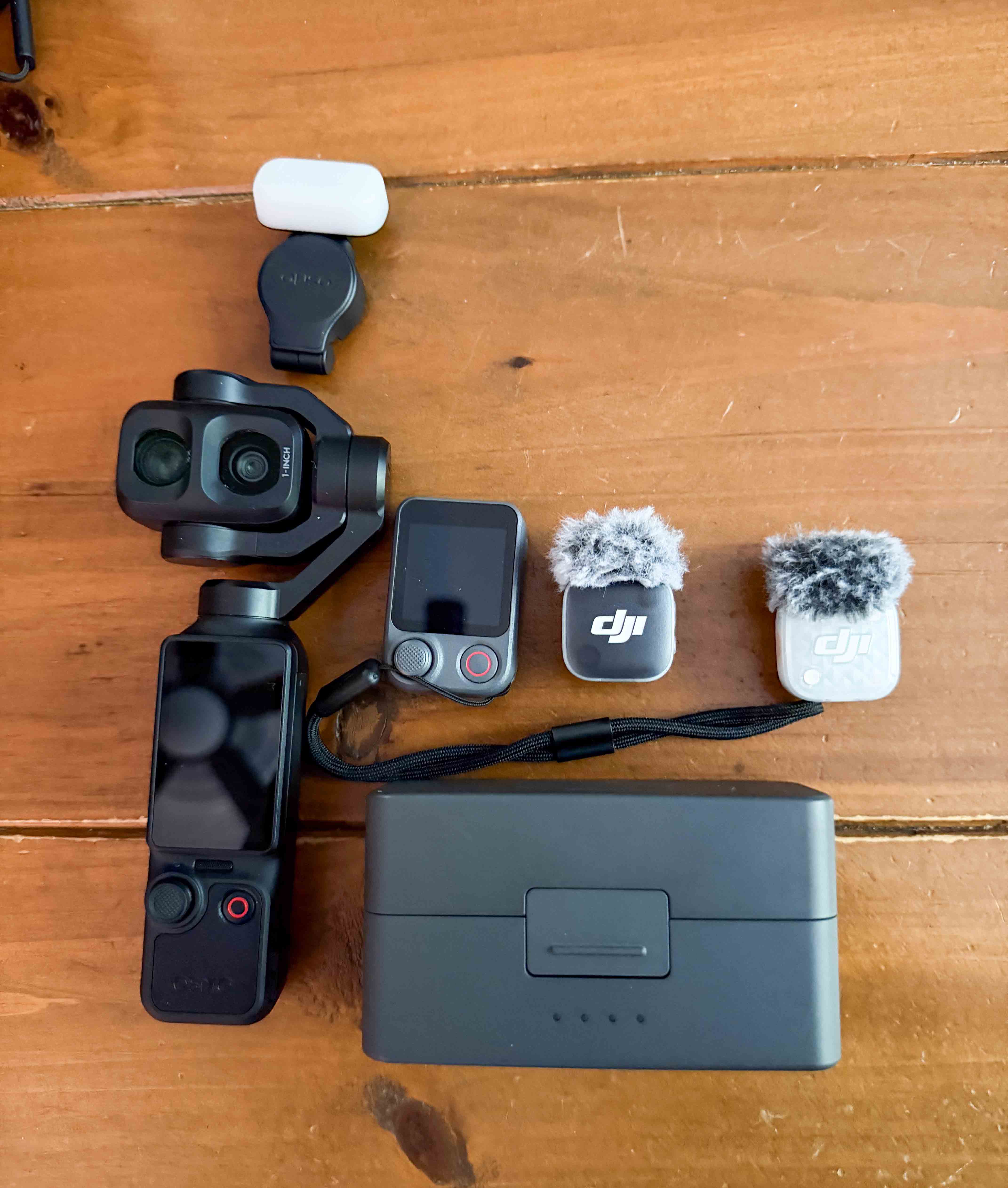
The DJI Pocket 4P is where DJI starts pushing the Pocket line much closer to a serious filmmaking tool.
The headline feature is the dual-lens system.
You get a 20mm-equivalent wide-angle camera with a 1-inch sensor, plus a dedicated 60mm-equivalent medium-telephoto lens with an f/1.8 aperture. That second lens changes the way you can shoot because it gives you a true portrait and detail perspective without simply cropping into the wide camera. Henry’s
That’s a much bigger deal than it sounds.
A 20mm lens is great for establishing shots, travel scenes, walking footage, and environmental storytelling.
A 60mm lens lets you isolate people, compress backgrounds, shoot more flattering portraits, and pick out details from farther away.
For travel filmmaking, that means you can move between “where are we?” and “what matters in this scene?” without changing cameras.
The 4P also increases the wide camera’s dynamic range to a claimed 17 stops using D-Log 2 and LOFIC technology, giving you more latitude in harsh light and more room to colour grade later. DJI also expands zoom capability to as much as 12x in video, depending on the mode, and increases the shutter ceiling to 1/16000s.
It also gets ActiveTrack 8.0, including tracking across focal lengths and multi-person tracking, which is particularly useful for family, event, or travel footage where more than one person is moving through the frame.
And while the 4P is still pocketable, it is noticeably larger and heavier at about 230g compared with roughly 190.5g for the Pocket 4.
Who Should Buy the Pocket 4P?
If you shoot professionally, colour grade heavily, film interviews or portraits, travel frequently, or simply want more visual variety from one tiny camera, the 4P makes more sense.
It gives you more ways to compose a scene, and that matters once you start thinking less about “capturing video” and more about building sequences.
Pocket 4 vs Pocket 4P: The Differences That Actually Matter
| Feature | DJI Osmo Pocket 4 | DJI Osmo Pocket 4P |
|---|---|---|
| Main Sensor | 1-inch CMOS | 1-inch CMOS wide camera |
| Dynamic Range | Up to 14 stops | Up to 17 stops on wide camera |
| Lens | 20mm equivalent | 20mm + 60mm equivalent |
| Aperture | f/2.0 | f/2.0 wide, f/1.8 tele |
| Optical Perspective | Single wide lens | Dual-lens system |
| Zoom | 2x lossless | Up to 12x video zoom |
| Slow Motion | 4K/240fps | 4K/240fps |
| Stabilization | 3-axis gimbal | 3-axis gimbal |
| Tracking | ActiveTrack 7.0 | ActiveTrack 8.0 |
| Built-in Storage | 107GB | 103GB |
| Weight | 190.5g | 230g |
| Best For | Everyday creators | Advanced creators and professionals |
The important difference is not that one shoots “better video.”
It’s that the 4P gives you more creative options while you’re shooting.
What the 60mm Lens Changes
This is probably the single biggest reason to step up to the 4P.
Wide lenses are great for travel because they show the environment, but they are not always flattering for people and they can make every shot feel visually similar.
The 60mm lens lets you change the rhythm of your footage.
You can shoot a wide scene of a market, then cut to a tighter portrait.
You can capture a landscape, then isolate a small detail.
You can shoot your family walking through a city and then switch to a tighter, more cinematic shot without physically moving much closer.
That variation helps your final edit feel more intentional.
For someone making travel films, documentaries, destination content, or commercial work, that alone may justify the difference.
What About Low Light?
Both are strong for such small cameras.
The Pocket 4 already benefits from its 1-inch sensor and f/2.0 lens, which makes it far more capable in restaurants, city streets, dusk, interiors, and other low-light environments than older compact gimbal cameras. Henry’s
The Pocket 4P goes further, especially with the wide camera’s expanded dynamic range and the tele lens’s f/1.8 aperture. Henry’s
If you regularly shoot around sunrise, sunset, nightlife, interiors, or mixed lighting, the 4P gives you more room before the image starts falling apart.
Which One Is Better for Travel?
This is where the choice gets interesting.
If your priority is travelling light, the Pocket 4 is arguably better.
It is smaller, lighter, less expensive, and still gives you excellent image quality, stabilization, tracking, and built-in storage.
If your priority is creating a more polished travel film, the Pocket 4P becomes more appealing.
That extra 60mm lens gives you more variety without adding another camera or lens to your bag.
For my own travel, that is exactly why the 4P is so interesting.
I can use a larger mirrorless camera for photography, but the Pocket 4P can handle most of the video story without requiring a second interchangeable-lens video system.
Which One Is Better for Family Video?
For most families, Pocket 4.
It’s easier, lighter, and does everything you need for travel days, birthdays, sports, vacations, and day-to-day memories.
If you’re the family member who actually edits your footage, cares about colour, thinks about shot variety, or wants to build proper travel films, the 4P becomes much easier to justify.
The difference is not whether the family moments will look good.
Both will do that.
The difference is how much control you want over how those moments look.
Which One Is Better for Creators?
If you mainly create Reels, TikToks, Shorts, or YouTube content, Pocket 4 is more than enough for a lot of people.
The 4P starts to make more sense when content creation becomes part of your work.
That’s when the dual-lens system, extra dynamic range, stronger tracking, and more flexible framing begin to matter.
If you’re filming client work, tourism, branded content, interviews, or commercial projects, the 4P gives you more options before you ever get to the edit.
Standard Combo or Vlog Combo?
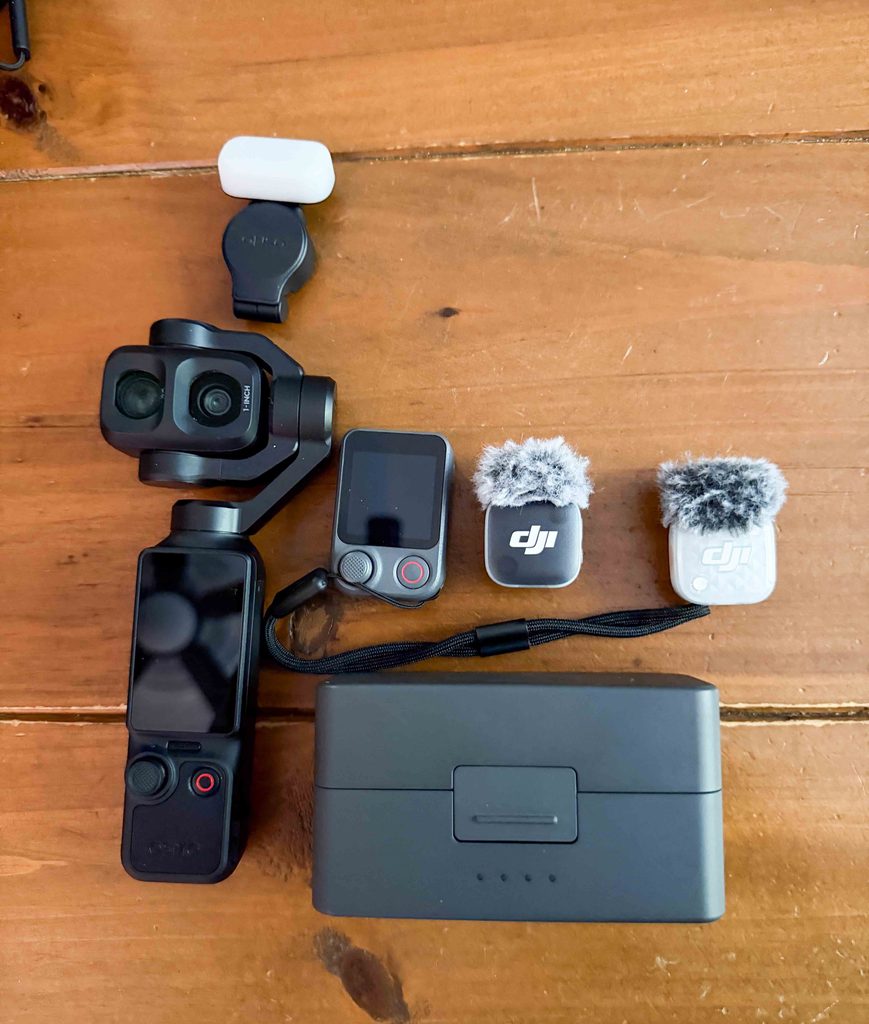
DJI also offers different kit configurations.
The Pocket 4P Standard Combo includes the camera, fill light, handle, carrying pouch, and USB-C cable, while the Vlog Combo adds a DJI Mic Mini 2 transmitter, FrameTap, mini tripod, and carrying bag.
If you already own DJI microphones and accessories, the Standard Combo may make more sense.
If you’re starting from scratch and want a complete creator kit, the Vlog Combo is the easier route.
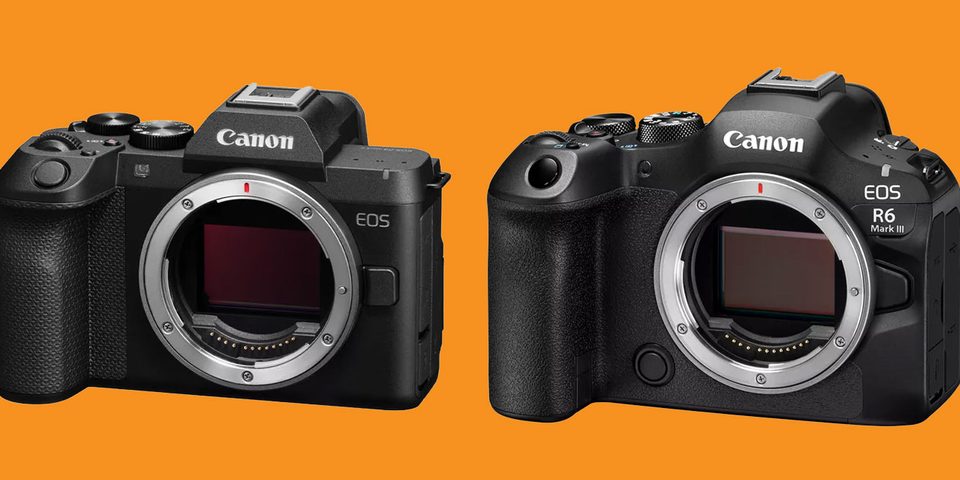
I actually chose to buy the microphones separately because I wanted the charging case and external receiver to use with my Canon R5 II if I wanted to.
So, Which One Should You Buy?
If you’re asking whether you need the Pocket 4P, you may already know the answer.
For most people, the DJI Osmo Pocket 4 is the better value.
It is small, fast, stabilized, capable in low light, easy to use, and produces excellent 4K footage.
But the Pocket 4P isn’t simply a more expensive version.
The second 60mm lens fundamentally changes the kinds of shots you can make, while the extra dynamic range, D-Log 2, ActiveTrack 8.0, and expanded zoom give more advanced creators significantly more room to work. DJI Store
That makes the decision pretty simple.
Choose the Pocket 4 if you want a great camera that disappears into your pocket.
Choose the Pocket 4P if you want a pocket camera that can start replacing parts of a larger video kit.
Discover More DJI
- New Tech Round-Up: DJI Osmo Pocket 4 vs Pocket 4 Pro & DJI Mic’s: Which One Fits Your Creative Style?
- Breakthrough Camera Tech 2025: Stunning New Sony, Canon, Nikon, DJI & RØDE Gear You Can’t Miss—Plus Rumours That Will Excite Creators
- The New Age of Mini Discrete Microphones: DJI Mic Mini vs. Rode Wireless Micro
- Mobile Video with the DJI Osmo+
- Exploring Kyoto with the DJI Osmo +