If there’s one piece of gear that can instantly make someone’s videos feel more professional, it’s a good microphone.
You can shoot great-looking 4K video on a phone, compact camera or mirrorless body, but if the audio is distant, windy, echoey or hard to understand, the entire production still feels off.
That’s why wireless microphones have become such a strong gift for creators.
They’re small. They’re easy to use. And unlike buying someone a lens or camera body, you don’t need to know exactly what focal length they love or which camera system they’re invested in.
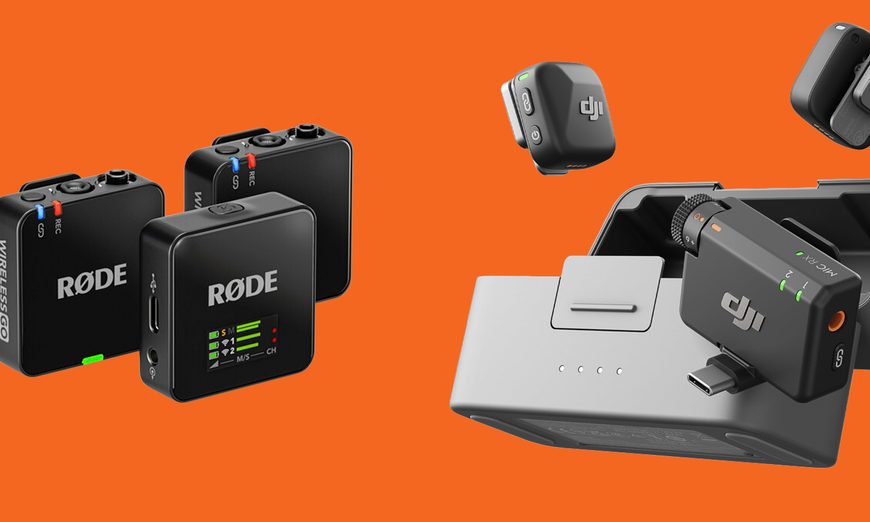
For creators, vloggers, small business owners, travellers, realtors, YouTubers and filmmakers, two brands dominate the conversation right now: DJI and RØDE.
Both make excellent wireless systems.
The better question is which one fits the person you’re buying for.
DJI vs. RØDE: What’s the Big Difference?
At a basic level, both brands are trying to solve the same problem: get a microphone closer to the person speaking without running cables everywhere.
Where they differ is workflow.
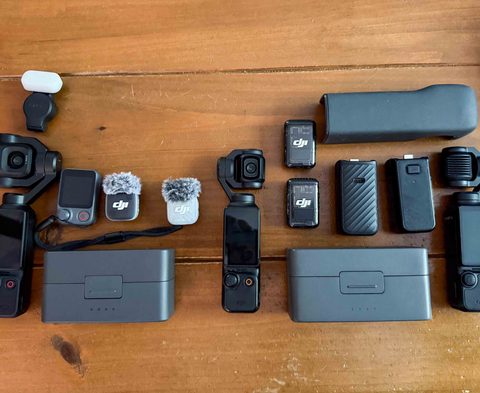
DJI has leaned heavily into compact size, long battery life, simple charging cases and tight integration with its Osmo ecosystem. If someone already owns a DJI Pocket, Action camera or other compatible DJI gear, that integration can make recording audio incredibly simple. DJI’s newest systems also range from ultra-compact everyday mics to professional options with onboard 32-bit float recording and timecode.
RØDE brings a long audio pedigree and tends to offer more traditional audio controls as you move up the lineup. The Wireless GO III and Wireless PRO, for example, add features such as onboard recording, locking microphone inputs, GainAssist, headphone monitoring and, on the PRO, timecode and included lavalier microphones.
Neither approach is better for everyone.
That’s what makes this a good gift guide.
For the Creator Who Just Wants Better Audio
DJI Mic Mini 2
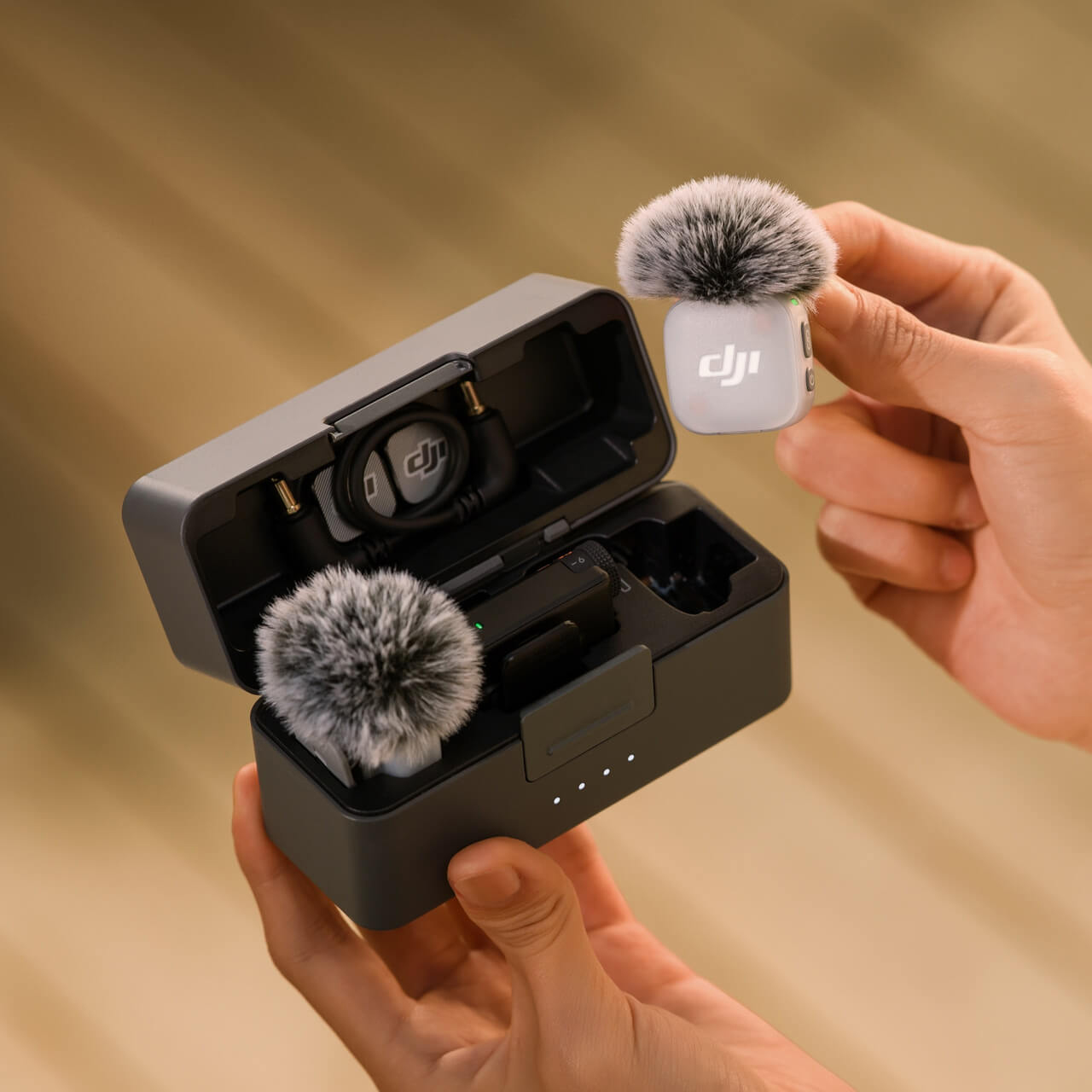
This is probably the easiest recommendation for someone who simply wants their videos to sound better.
The DJI Mic Mini 2 transmitters are tiny, lightweight and easy to clip onto a shirt without becoming a distraction on camera. It adds two-level noise cancelling, automatic limiting to help prevent clipping, voice tone presets and long battery life, with the two-transmitter charging-case kit offering up to 48 hours of total operating time.
The important thing is that it doesn’t make the creator think about audio very much.
Clip it on. Connect it. Record.
That makes it ideal for someone making social videos, travel content, small business Reels, family videos or casual YouTube content.
It’s also especially appealing for someone already using DJI’s Osmo ecosystem because compatible devices can connect directly through OsmoAudio without needing the receiver in the middle.
RØDE Wireless ME
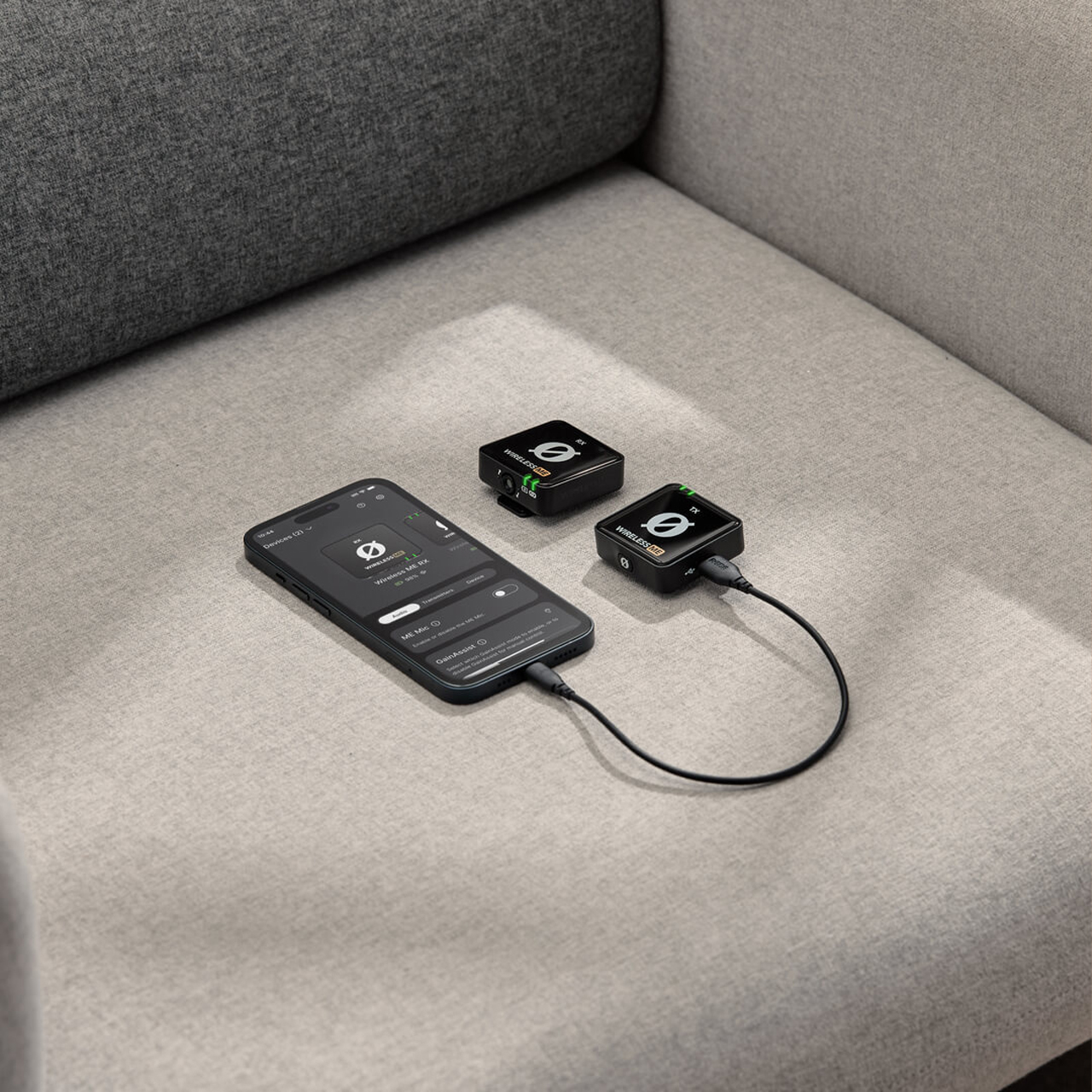
The Wireless ME is RØDE’s answer for someone who also wants simplicity but may move between a phone, computer and traditional camera more often.
One of its most interesting features is that RØDE puts microphones in both the transmitter and receiver. That means you can record the person in front of the camera and the person operating it, which is incredibly useful for interviews, walk-and-talk videos and casual reporting.
RØDE’s GainAssist automatically manages levels, and the system works with cameras, smartphones and computers.
It’s a particularly good choice for someone who wants a straightforward microphone today but may eventually build into more of the RØDE audio ecosystem.
Who Wins Here?
Choose the DJI Mic Mini 2 for someone who wants the smallest, simplest setup possible or already uses DJI cameras.
Choose the RØDE Wireless ME for someone who wants easy operation but values broader traditional camera, computer and smartphone connectivity.
For the Creator Who Is Starting to Take Audio Seriously
This is where things get much more interesting.
DJI Mic Mini 2S
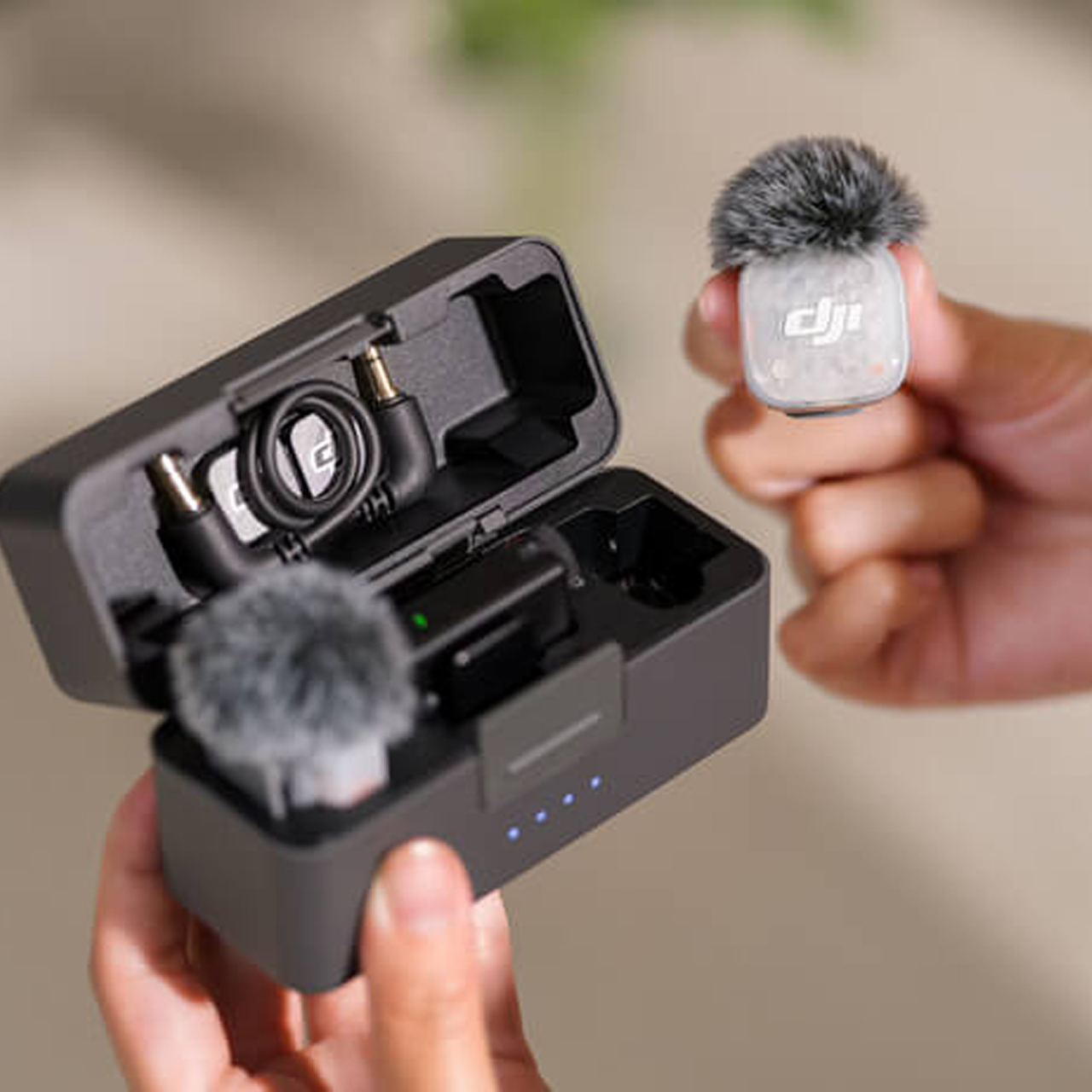
The Mic Mini 2S is one of those products that doesn’t look dramatically different until you understand what it adds.
The big upgrade is internal recording.
Each transmitter has built-in storage and can record internally in 32-bit float, giving you a backup recording even if something happens to the wireless connection or camera audio. Henry’s lists up to 28 hours of 24-bit internal recording or up to 22 hours in 32-bit float mode.
That is a meaningful upgrade.
If you’re recording a client interview, wedding speech or a piece of content you cannot recreate, having another copy sitting safely on the transmitter can save the entire project.
The Mini 2S also supports AI-powered noise cancelling, voice tone presets and expanded connectivity with up to four transmitters in compatible configurations.
This is probably the DJI sweet spot for someone creating content regularly.
RØDE Wireless GO III
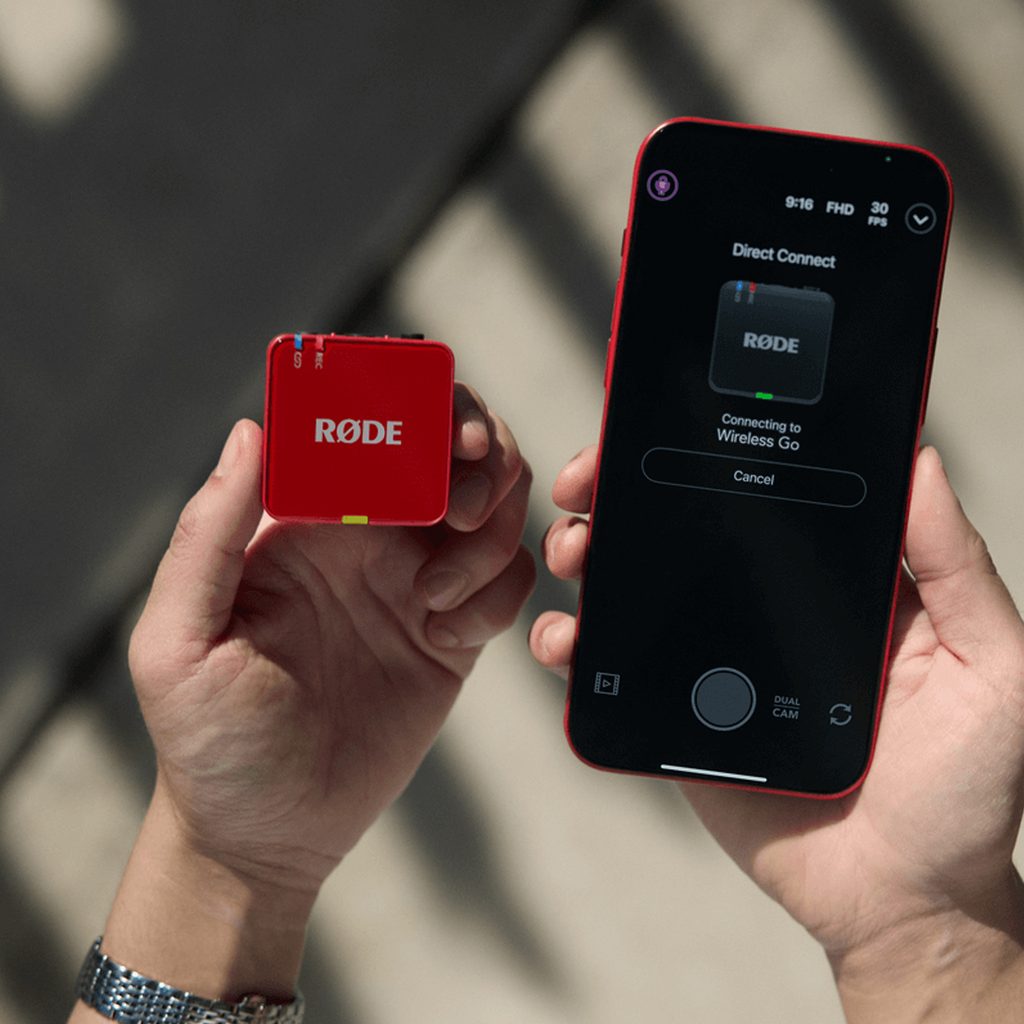
The Wireless GO III occupies a similar position in the RØDE lineup, but it takes a more production-focused approach.
Each transmitter includes 32GB of internal storage with more than 40 hours of 32-bit float backup recording. You also get GainAssist, locking 3.5mm microphone inputs, headphone monitoring and a claimed wireless range up to 260 metres in line-of-sight conditions.
The locking inputs are especially important if the creator eventually wants to use a lavalier microphone.
Instead of clipping the transmitter itself onto clothing, the transmitter can be hidden while a much smaller lav mic remains visible.
That immediately gives interviews and client work a cleaner, more professional appearance.
The Wireless GO III also comes in several colours, which is admittedly less important to audio quality but does make it a fun gift for creators who like their gear to have a little personality.
Who Wins Here?
This one really comes down to workflow.
The DJI Mic Mini 2S is smaller and particularly appealing for travel, social content and DJI users who want professional backup recording without carrying much more gear.
The RØDE Wireless GO III is stronger for someone moving deeper into traditional video production and who values lavalier compatibility, physical controls and a broader audio workflow.
For the Professional Creator
At this level, the microphone is no longer just making the video sound nicer.
It becomes production insurance.
DJI Mic 3
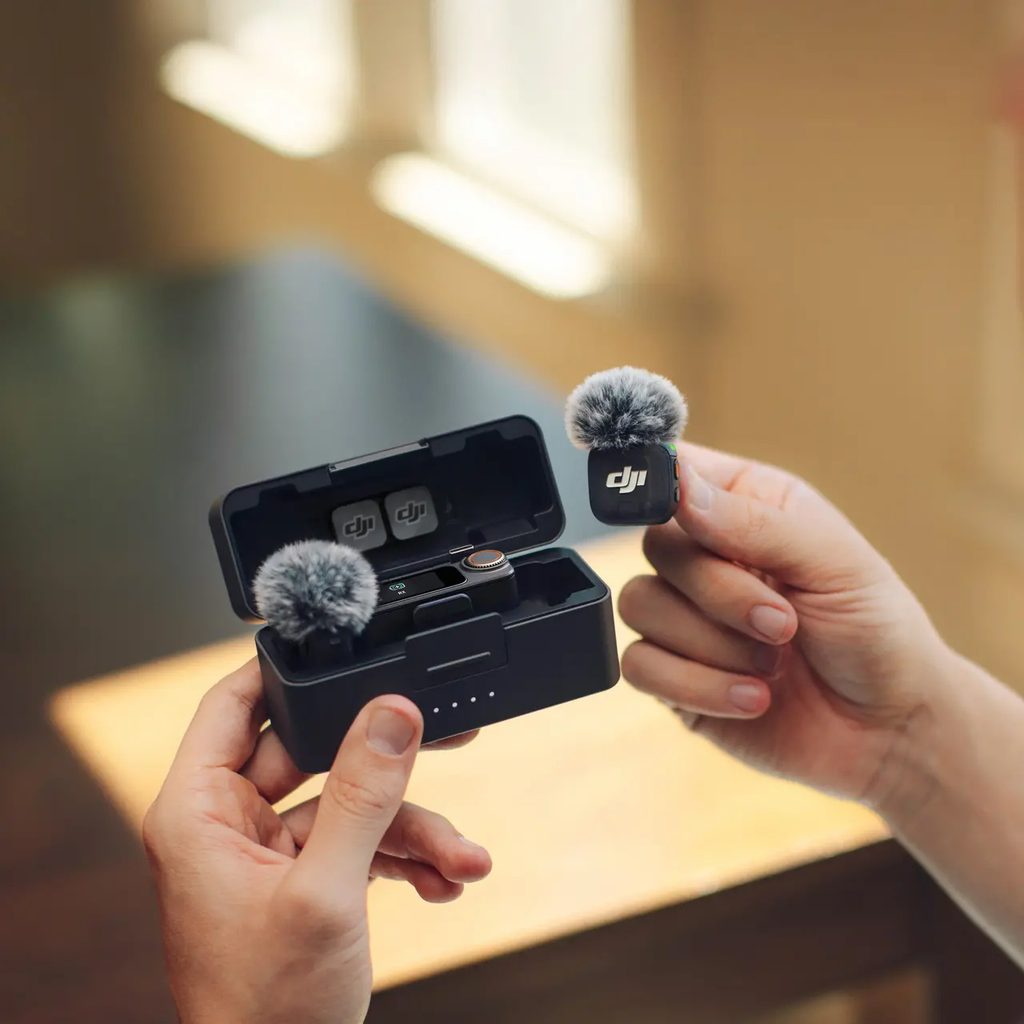
DJI’s Mic 3 is built around that idea.
The system supports 32-bit float internal recording, timecode and multi-person configurations with support for up to four transmitters and eight receivers in compatible setups. DJI also includes adaptive gain control, noise cancelling and multiple voice tone presets.
The transmitter itself remains remarkably small at around 12.5 grams, which is impressive considering how much capability is built into it.
For productions using multiple cameras, interviews with several people, commercial video or larger creator teams, those features start becoming genuinely useful instead of simply nice to have.
This is the DJI system for someone who has moved beyond “I need a wireless microphone” and into “I need an audio workflow.”
RØDE Wireless PRO
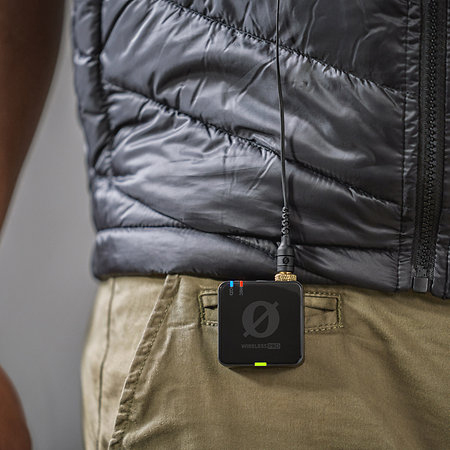
The Wireless PRO is RØDE’s complete production kit.
It includes two transmitters, a receiver, charging case and two Lavalier II microphones right in the box. It also offers 32-bit float onboard recording, timecode, GainAssist, locking connections and headphone monitoring.
That included accessory package is a major part of its appeal.
Someone opening the Wireless PRO on Christmas morning already has the lavalier microphones, magnetic clips, wind protection and cables needed to build a much more polished setup without immediately shopping for additional pieces.
If you’re buying for a filmmaker, videographer, documentary shooter or someone regularly producing paid client work, this is one of the most complete wireless microphone gifts you can give.
Who Wins Here?
The DJI Mic 3 makes the most sense for creators who want a small, modern system with strong multi-person capability and especially those already working inside DJI’s ecosystem.
The RØDE Wireless PRO is incredibly compelling for traditional production because so much of the professional kit is already included in the box.
Quick DJI vs. RØDE Gift Guide
| Who Are You Buying For? | DJI Pick | RØDE Pick | Why |
|---|---|---|---|
| Beginner creator | DJI Mic Mini 2 | RØDE Wireless ME | Simple, easy audio upgrade |
| Travel creator | DJI Mic Mini 2 | RØDE Wireless ME | Compact and easy to pack |
| Social media manager | DJI Mic Mini 2S | RØDE Wireless GO III | More reliability and flexibility |
| YouTuber | DJI Mic Mini 2S | RØDE Wireless GO III | Internal recording and stronger controls |
| Interview creator | DJI Mic 3 | RØDE Wireless PRO | Backup recording and professional workflows |
| Filmmaker | DJI Mic 3 | RØDE Wireless PRO | Timecode, 32-bit float and production tools |
| DJI Pocket / Action user | DJI | — | OsmoAudio integration |
| Someone using lav mics | DJI Mic 3 | RØDE Wireless GO III / PRO | More professional mic placement options |
What Is 32-Bit Float and Do You Actually Need It?
This term gets thrown around a lot.
The simple explanation is that 32-bit float recording gives you an enormous amount of usable recording range.
If someone suddenly gets much louder than expected or speaks much more quietly, you have significantly more room to recover the audio afterwards.
That doesn’t mean microphone placement no longer matters.
And it doesn’t mean you should stop monitoring sound.
But for interviews, weddings, events and unpredictable situations, it adds a very useful safety net.
That’s why you start seeing it as you move from the entry-level systems into the Mic Mini 2S, Mic 3, Wireless GO III and Wireless PRO.
Do They Need a Lavalier Microphone?
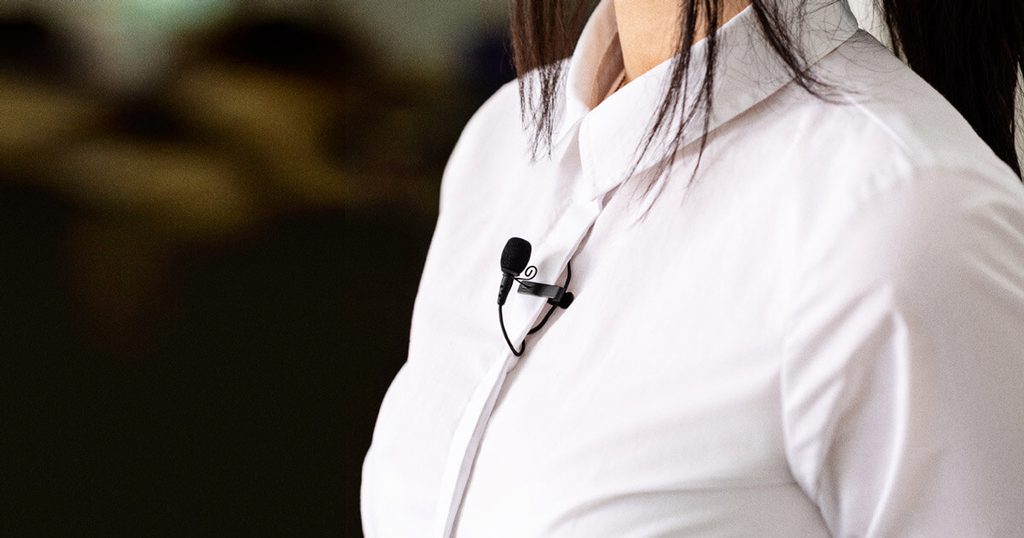
Maybe.
A lot of creators simply clip the transmitter itself to their shirt, and for social media that is perfectly fine.
A lavalier becomes useful when you want the microphone to disappear.
The small microphone capsule clips near the collar while the transmitter can be hidden under clothing or placed in a pocket.
For interviews, documentaries, corporate video and more polished productions, that can make a big difference visually.
It’s also one of the reasons the RØDE Wireless PRO is such an interesting gift: two Lavalier II microphones are already included.
Why a Wireless Mic Makes Such a Good Christmas Gift
Camera gear can be difficult to buy for someone else.
Which mount do they use?
Do they already have that focal length?
Will that filter fit their lens?
Do they actually need another camera bag?
Wireless microphones are different.
Almost anyone making video can benefit from better sound.
A realtor can use one for property tours.
A small business owner can make better social content.
A traveller can create clearer vlogs.
A parent can improve family videos.
A YouTuber can clean up talking-head content.
And a filmmaker can use one for interviews and dialogue.
It is one of those rare pieces of creator gear that can make an immediate difference without requiring someone to change the rest of their setup.
So, DJI or RØDE?
If I were simplifying this down to one decision, I’d look at how the person creates.
If they already own DJI cameras, value extremely small gear or create a lot of content while travelling, I’d lean toward DJI.
If they’re building a more traditional camera and audio setup, regularly use lavaliers or want a system that can grow deeper into professional audio production, I’d take a serious look at RØDE.
But there really isn’t a bad choice here.
Both companies now offer excellent options from basic wireless audio right through to professional 32-bit float systems.
The best gift isn’t necessarily the most expensive one.
It’s the microphone that removes one more barrier between an idea and pressing record.
And for anyone who creates video, better audio is a gift they’ll hear every time they use it.
Explore More About Video Creation
- The Best Microphone for Vlogging
- DJI Osmo Pocket 4 vs Pocket 4P: Which One Is Right for You?
- The Best Video Cameras for Every Kind of Storytelling in 2026
- New Tech Round-Up: DJI Osmo Pocket 4 vs Pocket 4 Pro & DJI Mic’s: Which One Fits Your Creative Style?

Canada’s Greatest Camera Store
Henry’s has long been known in the Canadian photographic industry as the source for the best and newest products, informed Imaging Experts, award-winning customer service and competitive pricing. Henry’s, competitive pricing since 1909 and has evolved into Canada’s largest independent photographic and digital retailer.