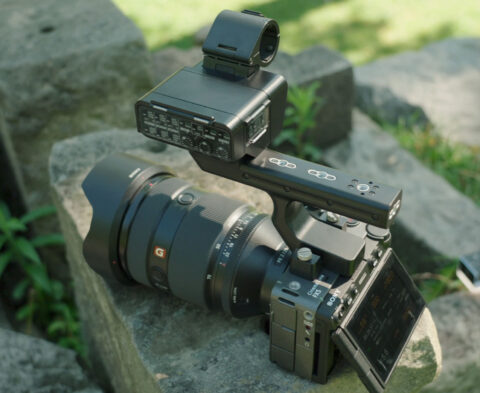
The Sony FX3 sits in a rare sweet spot. It delivers true cinema-level image quality, but in a body that feels more like a mirrorless camera than a traditional cinema rig. It’s compact, lightweight, and built for filmmakers who actually move — travel shooters, documentary creators, solo operators, and small teams who need professional results without slowing down.
This is a camera designed for the real world, not just controlled sets.
Cinema Quality Without the Bulk

At its core, the Sony FX3 is a full-frame Cinema Line camera built around Sony’s proven sensor and colour science. The result is an image that feels cinematic right out of the camera — natural skin tones, smooth highlight roll-off, and excellent dynamic range.
But what really makes the FX3 special is how easy it is to use. You don’t need a massive rig or a full crew to get cinematic results. The FX3 can be stripped down to a minimal handheld setup or built out with cages, monitors, and accessories depending on the shoot.
That flexibility is what makes it so appealing to modern filmmakers.
Designed for Run-and-Gun Shooting

The FX3 was clearly built with mobility in mind. The compact body, integrated mounting points, and lightweight design make it ideal for handheld work, gimbals, and travel filmmaking.
Whether you’re filming:
- Documentaries
- Travel films
- Branded content
- Social video
- Event coverage
…the FX3 adapts instantly. You can move quickly, react to moments as they happen, and stay focused on storytelling instead of managing gear.
Autofocus You Can Actually Trust

One of the biggest advantages of the FX3 is Sony’s industry-leading autofocus. Real-time Eye AF and subject tracking allow you to confidently shoot wide open, follow movement, and work solo without worrying about missed focus.
For filmmakers working alone or in fast-paced environments, this is huge. It lets you concentrate on framing, composition, and timing — not pulling focus manually while the moment slips away.
Built for Low Light and Long Shoots
The Sony FX3 shines when conditions aren’t perfect. Its low-light performance is exceptional, making it a strong choice for night scenes, interiors, and available-light shooting. Add in the built-in cooling fan, and you get long, uninterrupted recording times without overheating — something travel filmmakers and event shooters truly appreciate.
This camera is built to keep rolling when the story keeps unfolding.
Audio That’s Ready to Go


Another reason the Sony FX3 works so well as a solo or small-crew camera is its audio flexibility. With the optional top handle, you get professional XLR audio inputs without needing external recorders or adapters. That means clean, reliable sound straight into camera — faster setups and fewer points of failure.
Why the Sony FX3 Makes Sense for Henry’s Creators
At Henry’s, we see more creators looking for gear that balances quality, speed, and simplicity. The FX3 checks all three boxes.
It’s a cinema camera that doesn’t feel intimidating.
It’s powerful without being bulky.
And it integrates seamlessly into the Sony ecosystem — from lenses to batteries to accessories.
Whether you’re upgrading from mirrorless or stepping into cinema cameras for the first time, the FX3 is one of the most approachable ways to do it.
Final Thoughts about the Sony FX3
The Sony FX3 isn’t about chasing specs — it’s about confidence. Confidence that your camera can keep up with your pace. Confidence that the image will hold together in any light. Confidence that you won’t miss the moment because your gear slowed you down.
For filmmakers who value mobility, reliability, and cinematic results in the real world, the FX3 remains one of the strongest tools you can carry.
Explore the Sony FX3 and cinema accessories at Henry’s — in store or online — and build a setup that’s ready to move when the story does.
Explore More
- Top Vlogging Mistakes and How to Fix Them
- Lighting Your Vlogs, Livestreams, and Videos
- Life of a Vlogger: Tips and Tricks to Help You Get Started & Grow
- The Best Gear for Vlogging in 2024
- Guide to Vlogging and Mobile Video
- How to Stabilize Your Camera for Vlogging
- Rode Wireless Go II vs Rode Wireless Pro

Canada’s Greatest Camera Store
Henry’s has long been known in the Canadian photographic industry as the source for the best and newest products, informed Imaging Experts, award-winning customer service and competitive pricing. Henry’s, competitive pricing since 1909 and has evolved into Canada’s largest independent photographic and digital retailer.