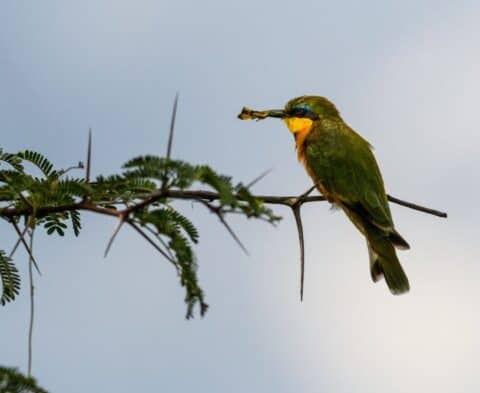
Fall bird migration in Canada begins earlier than many expect, with some species already on the move by late July. Shorebirds are the first to head south, followed by waves of songbirds through August and September, then raptors and waterfowl from September into November. For birders and wildlife photographers, this is one of the most exciting—and photographically rewarding—times of the year.
Whether you’re after the delicate detail of a warbler in flight or the spectacle of geese crossing a crisp autumn sky, success depends on a mix of timing, the right location, and the right gear.
Where to See Fall Bird Migration in Ontario

Ontario is a migration superhighway, and some of the best spots to witness the seasonal movement.
Here are some popular birding spots you might want to check out:
- Point Pelee National Park – Famous for both spring and fall migration, with boardwalks and trails that bring you close to resting flocks.
- Tommy Thompson Park (Toronto) – A key stopover for songbirds and waterfowl right on Lake Ontario.
- Presqu’ile Provincial Park – Known for shorebirds and a variety of ducks in September and October.
- Rondeau Provincial Park – A hotspot for warblers, vireos, and hawks.
- Algonquin Provincial Park – Great for observing mixed flocks of migrating songbirds along with moose and other wildlife.
If you’re feeling more adventurous, there are so many great spots in Ontario to explore for bird lovers. Here are a few of our favourites:
- George Langmann Sanctuary in Orillia – 60-acre marsh and trails open year-round. Great for observing waterfowl
- Minesing Wetlands Waterfowl Viewing Platform – 12-ft viewing structure over the Mad River floodplain.
- Hullett Provincial Wildlife Area – Extensive diked marsh viewing stands on waterfowl flyaways, great in migration shoulder-season
- Luther Marsh Wildlife Management Area – 5,700+ hector wetland complex with over 260 species recorded including 27 warbler species and regular waterfowl.
- Cooper Marsh Conversation Area – Long boardwalks, towers and blinds and over 200 species identified. Great for fall bird migration.
Gear Essentials for Fall Bird Migration Photography

Binoculars
Your first step to better birding is spotting the subject before you ever raise a camera. For birdwatching, look for binoculars with an 8× or 10× magnification and an objective lens diameter of 40–50 mm. This balance gives you enough reach to see fine details without making the image too shaky to hold steady.
Waterproofing, fog-resistant coatings, and lightweight designs make a big difference during long hikes. At Henry’s, you can choose from trusted names like Bushnell, Canon, Nikon, OM System, Pentax, and Zeiss to find a pair that fits your needs and budget.
Tele-Photo Zoom Lenses
For mirrorless or DSLR systems, a dedicated telephoto lens (such as a 100-400 mm or 150-600 mm) allows you to frame small, distant birds with precision. Look for lenses with fast autofocus, image stabilization, and weather sealing to handle the unpredictable conditions of birding in Canada.
Tele-Converters
These optical accessories attach between your camera body and lens to increase focal length—often by 1.4× or 2×—without purchasing a new lens. While they reduce maximum aperture slightly, tele-converters are a cost-effective way to extend your reach for shy or distant species.
Point & Shoot Ultra-Zoom Cameras
If you’re not ready for the size and complexity of a mirrorless or DSLR system, today’s point-and-shoot ultra-zoom cameras deliver impressive focal ranges and image quality in a compact package—perfect for casual birders or travel.
Nikon Coolpix P1100 – Offers an unmatched 125× optical zoom (24–3000 mm equivalent), ideal for photographing distant birds. Features a Bird-Watching mode, 4K video, and USB-C charging. Heavier than most compacts, and the small sensor can be limiting in low light.
Nikon Coolpix P950 (Mid-Line Option) – 83× optical zoom (24–2000 mm equivalent) with RAW shooting, strong image stabilization, and sharp optics. A great balance of reach, quality, and portability for serious birders who don’t need the P1100’s extreme zoom.
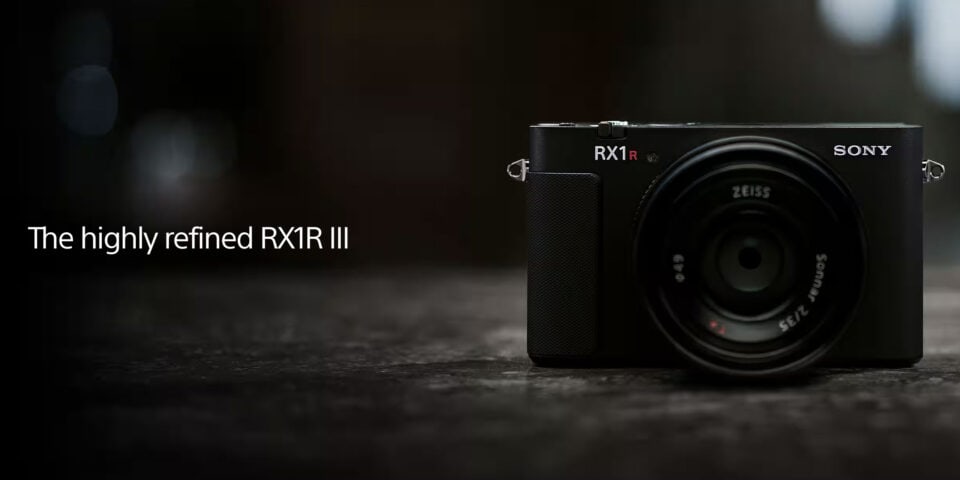
Sony RX100 III (Premium Professional Option) – Compact, travel-friendly camera with a 1-inch sensor and bright 24–70 mm f/1.8–2.8 Zeiss lens. Exceptional image quality, colour rendition, and low-light performance for those who prioritize professional-grade results in a portable body. While the zoom range is modest, its sharpness and image quality make it a serious tool for bird photography when paired with fieldcraft.
Panasonic Lumix FZ80 (Budget Pick) – Great entry-level option with long zoom, lightweight design, and 4K video. Easy to use and affordable, making it ideal for beginners or casual birders.
Panasonic DC-ZS99K – Pocket-sized superzoom with a 30× optical zoom (24–720 mm equivalent), 4K video, and solid autofocus performance. A versatile choice for travel birding when you want both reach and portability.
Canon PowerShot SX70 HS – 65× optical zoom (21–1365 mm equivalent) in a lightweight package. Good all-around performer with 4K video, comfortable handling, and solid image stabilization.
Mirrorless Cameras for Bird Photography
Mirrorless technology has revolutionized bird photography—offering faster autofocus, lighter bodies, and advanced subject tracking that makes it easier to capture sharp shots of birds in flight. Whether you’re just getting into wildlife photography or upgrading to a pro-level system, there’s a mirrorless camera to match your needs.
Entry-Level: Nikon Z50 – Compact and easy to use, the Z50 combines Nikon’s intuitive controls with a 20.9-MP APS-C sensor and fast autofocus that can track moving subjects. Lightweight enough for all-day hikes, it’s a great starting point for birders who want better results than a point-and-shoot without the complexity of a pro body.
Mid-Range: Canon EOS R7 – This APS-C model is a favourite among bird photographers for its 15 fps mechanical (30 fps electronic) burst rates and excellent subject tracking. The crop sensor extends your telephoto reach, making it easier to frame distant birds without massive lenses.
Professional: Sony Alpha 7R V – A 61-MP full-frame powerhouse with AI-driven autofocus that recognises and locks onto birds with remarkable precision. Its resolution allows heavy cropping without losing detail, while its weather-sealed build and deep buffer make it reliable in challenging conditions.
No matter your budget or experience level, the right camera depends on how you shoot, what you already own, and where you plan to use it. These models are just a starting point—Henry’s carries many other mirrorless options from Nikon, Canon, Sony, Fujifilm, OM System, Panasonic, and more. Visit your local Henry’s retail location to try different models in person, get expert advice, and find the perfect match for your bird photography needs.
Stability & Support
Keeping your camera steady is critical for sharp, detailed bird shots, especially when using long lenses or high zoom levels. A monopod offers a great balance of stability and mobility—it supports the weight of your gear and reduces fatigue during long waits, yet allows quick repositioning when a bird changes perches. Look for monopods with lightweight but strong materials (like carbon fibre or aluminum), a comfortable grip, and a secure, quick-release head for fast camera changes. Manfrotto offers excellent options that meet these needs for birders on the move.
For moments when you can set up and stay put—like at a waterfowl viewing tower or along a marsh boardwalk—a tripod is the ultimate stability tool. A sturdy tripod minimizes vibration, making it easier to use slower shutter speeds in low light or to hold focus on distant birds for extended periods. Choose one that’s tall enough for your height without the centre column extended, has adjustable leg angles for uneven ground, and is built to handle the weight of your heaviest lens. Pairing it with a fluid head or gimbal head makes tracking birds in flight much smoother. Learn more about tripods and how to choose the right one for you.
Weather Protection

Fall birding in Canada can mean chilly mornings, midday drizzle, and sudden wind off the lakes. Protecting your gear is essential—not just from rain, but also from condensation, dust, and temperature swings.
A good camera rain cover is lightweight, packs small, and slips over your camera and lens without blocking access to essential controls. For long lenses, look for covers that fit snugly and include a clear window for your LCD screen.
Lens hoods can help keep light rain off the glass, but in heavier weather, a cover is non-negotiable. If you’re moving between cold outdoor air and a warm vehicle or indoor space, keep your camera in a sealed plastic bag or dedicated weatherproof pouch until it acclimates—this prevents condensation forming inside.
Your storage solution matters just as much as on-camera protection. A weather-sealed camera backpack or field storage bag keeps everything dry and organized during long days outdoors. Look for bags with adjustable padded dividers to protect lenses, compartments for extra memory cards and batteries, and side access zippers so you can grab gear quickly without putting the whole bag down in damp or muddy conditions. Some backpacks also feature integrated rain covers that deploy in seconds.
For smaller outings, a water-resistant sling bag or holster can be enough, while serious fieldwork often calls for a rugged hiking-style pack with proper support straps to spread the weight of heavy glass and accessories. Whatever style you choose, the key is a design that balances comfort, protection, and fast access—because in bird photography, seconds count.
Don’t forget your accessories: store extra memory cards and batteries in waterproof pouches, and keep a cleaning kit with microfibre cloth or absorbent lens wipe handy to quickly clear water droplets or fog from your gear. For longer outings, a water-resistant backpack or dry bag insert adds another layer of security, ensuring your investment stays safe no matter what the forecast delivers.
Fall Bird Migration Tips & Tricks
Apps & Websites for Tracking and Identifying Birds
- Merlin Bird ID – Free and easy to use, with photo and sound recognition to help you identify species in the field.
- eBird – Run by the Cornell Lab of Ornithology, this platform tracks sightings across the world so you can see what’s moving through your region in real-time.
- Birds Canada – Canadian-focused resources, events, and migration updates.
- iNaturalist – Great for logging sightings and learning from other birders and naturalists.
Bird Safety: FLAP Canada
While migration is a wonder to watch, it’s also dangerous for birds. Millions die each year from collisions with windows and other manmade structures. FLAP Canada (Fatal Light Awareness Program) works to protect birds through public awareness, building design advocacy, and volunteer rescue efforts. Learning how to make windows bird-safe at home and supporting FLAP’s mission can make a measurable difference.
Photography Tips for Fall Bird Migration
- Work with the Light – Early morning and late afternoon offer soft, warm light and more active bird behaviour.
- Focus on the Eyes – Even with birds in flight, a sharp eye will make your shot stand out.
- Use Continuous Autofocus (AF-C) – Birds rarely sit still; this setting helps keep them sharp.
- Know Your Settings – Fast shutter speeds (1/2000 sec or higher for flight) and a wide aperture can help freeze motion and separate your subject from the background.
- Be Patient – Migration is unpredictable. Staying still and quiet often brings the best encounters.
Final Thoughts
Fall migration in Canada is a fleeting spectacle—one that rewards preparation. With the right binoculars, a camera setup that matches your needs, and a little planning using apps and local bird reports, you’ll be ready to witness and capture the incredible journeys playing out above us.
Henry’s is here to help you gear up, whether you’re starting with an ultra-zoom or stepping into mirrorless wildlife photography. Get ready, because the birds are already on the move.
Explore
- Henry’s Bird Photography Gear Guide
- Capture the Beauty of the 2025 Spring Bird Migration in Ontario
- Nature’s Spectacle: Birding Adventures with the Sony Alpha 9 III
- Best Lenses For Bird Photography: A Complete Guide
- Bird Photography: Essential Gear, Tips & Tricks for Every Photographer
- Winter Bird Photography – See How These Sony Shooters Do It