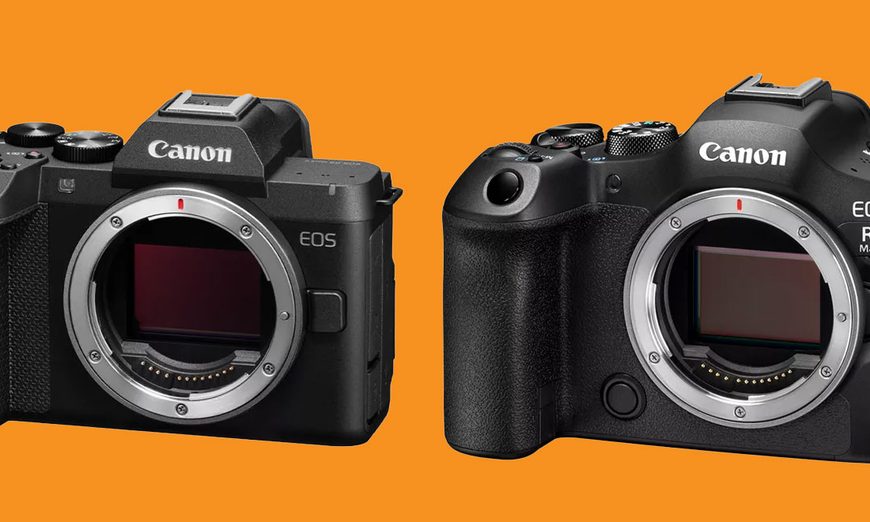
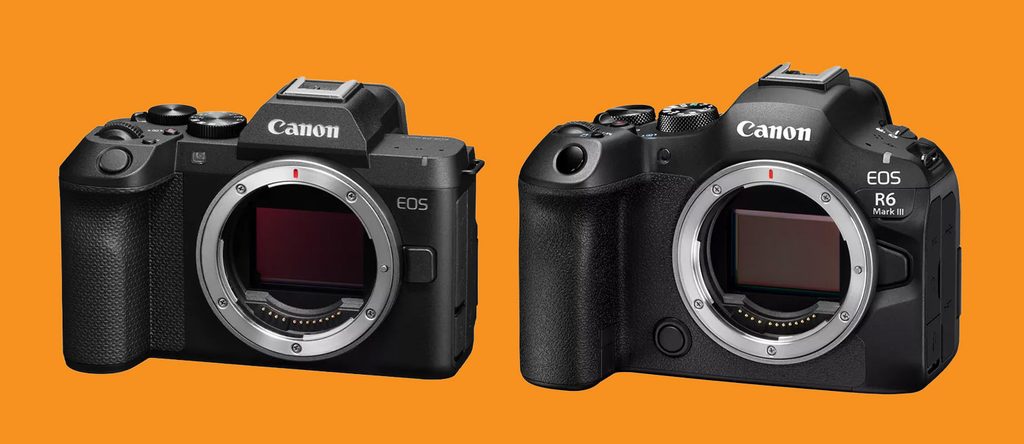
Canon has made the full-frame mirrorless decision a lot more interesting.
The new EOS R8 Mark II is no longer simply the lightweight entry point into full-frame. It now has in-body image stabilization, improved auto-focus, 40 fps electronic shooting, better ergonomics and uncropped 4K60 video oversampled from 6K.
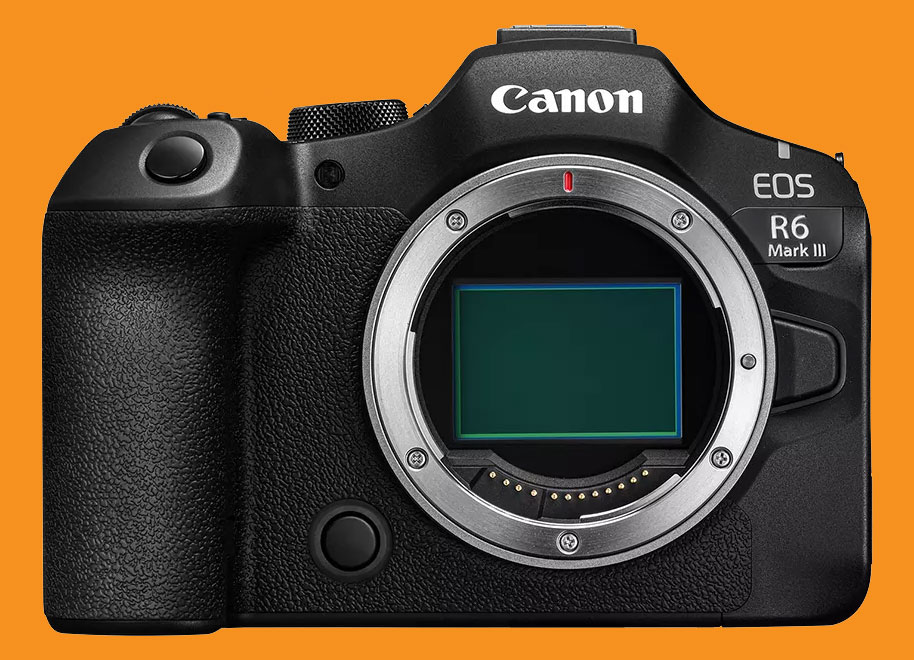
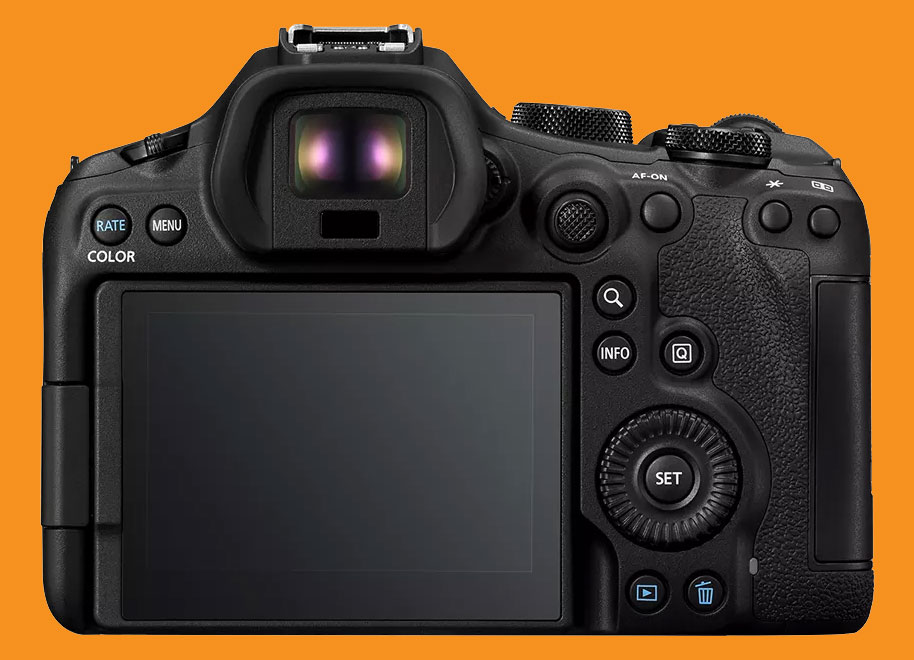
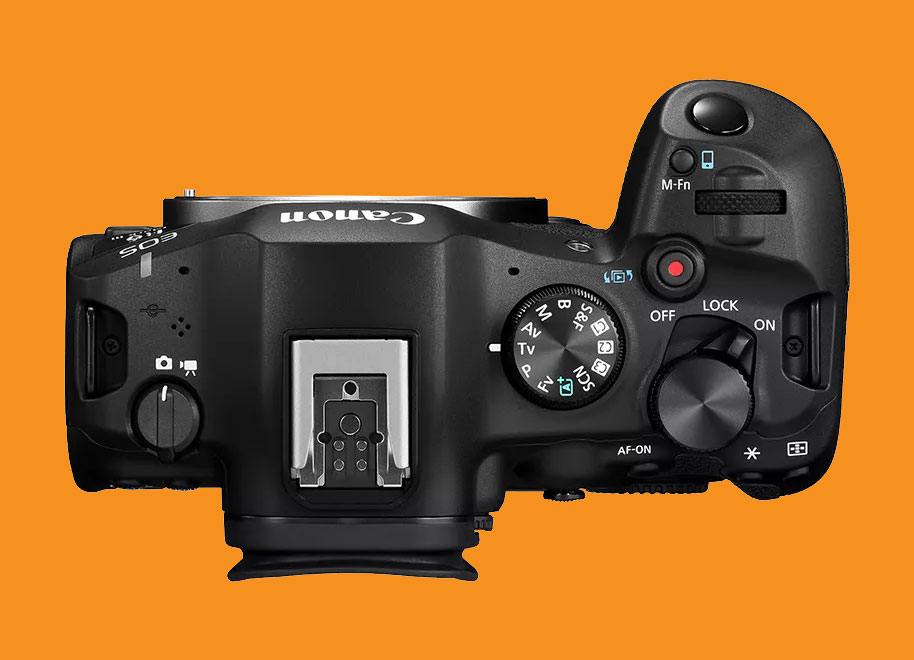
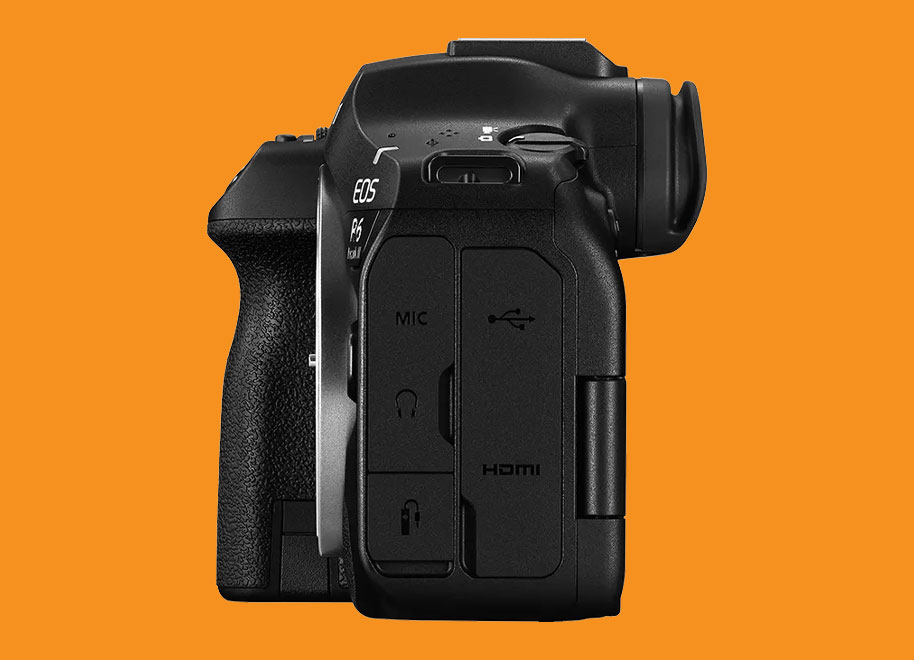
At the same time, the EOS R6 Mark III sits a step above it with more resolution, dual card slots, a larger battery, stronger video tools and the kind of durability and workflow features that matter once photography becomes more serious.
So which one should you buy?
For a lot of photographers, the answer is surprisingly simple:
Buy the Canon R8 Mark II if you want a smaller, lighter full-frame camera that still gives you serious image quality and speed.
Buy the Canon R6 Mark III if you need a camera that can handle longer days, heavier lenses, demanding photography and more advanced hybrid work.
Canon EOS R8 Mark II: The Full-Frame Camera Most People Actually Need
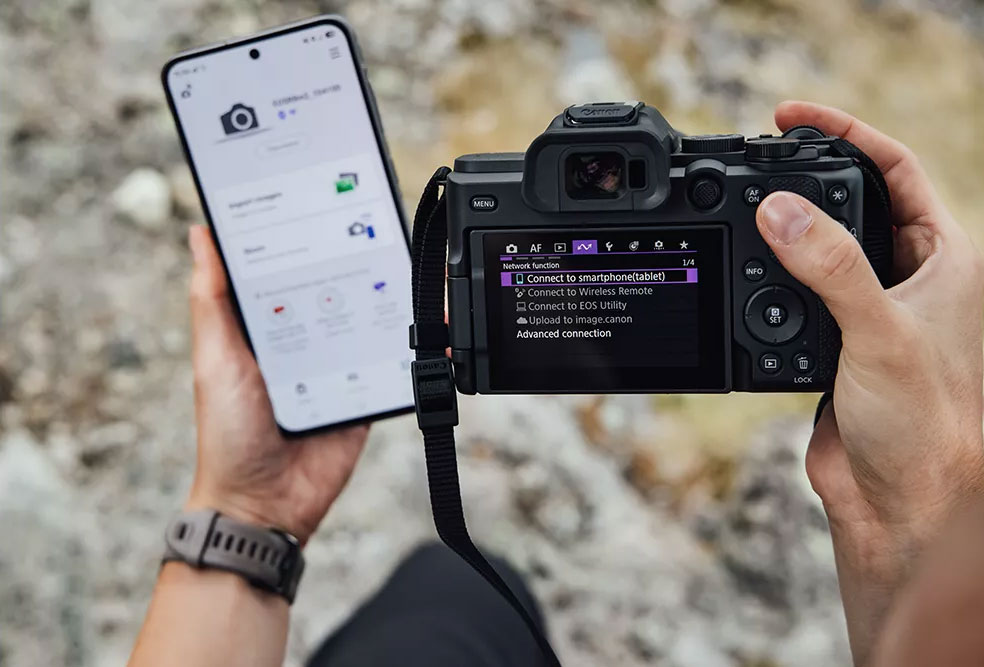
The R8 Mark II is probably the most interesting upgrade of the two because Canon has fixed one of the biggest compromises of the original R8.
It now has IBIS.
Canon calls it the lightest IBIS-equipped EOS camera, with a body weight of roughly 546g. Inside is a 24.2MP full-frame sensor, Dual Pixel CMOS AF II, subject recognition for people, animals and vehicles, Register People Priority and electronic shooting up to 40 fps.
That makes it a much more complete camera than the original R8.
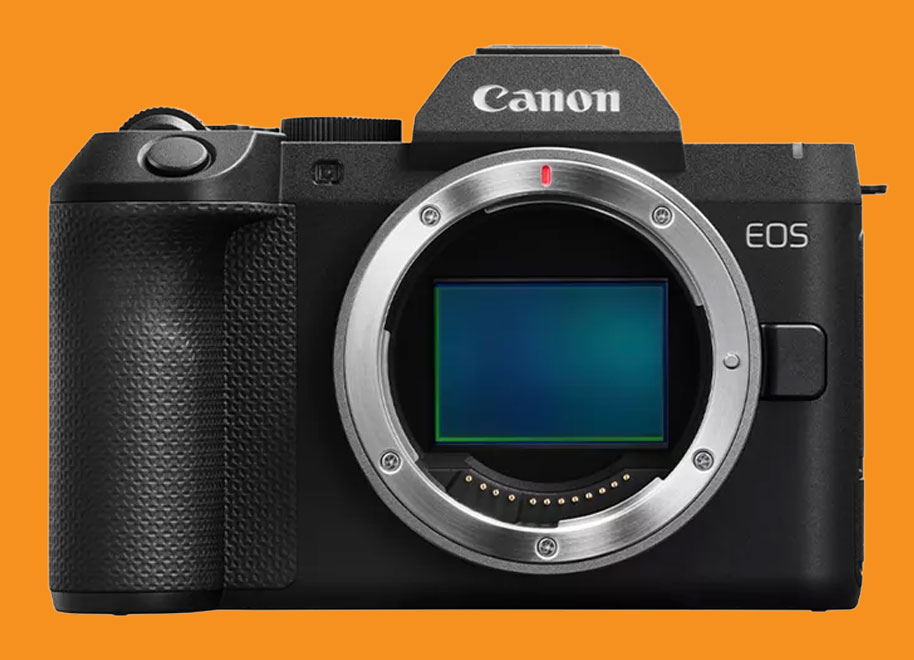
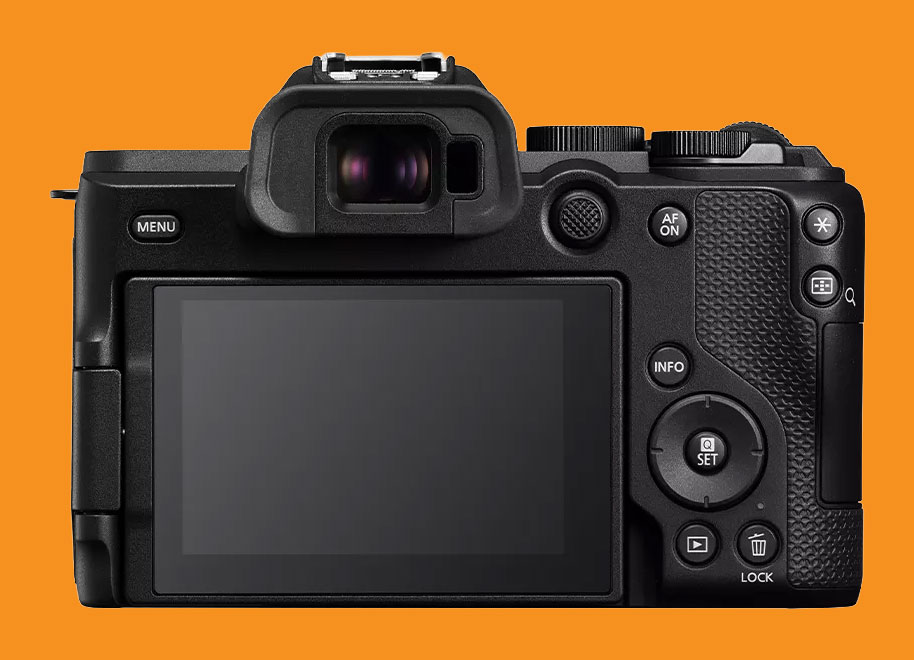
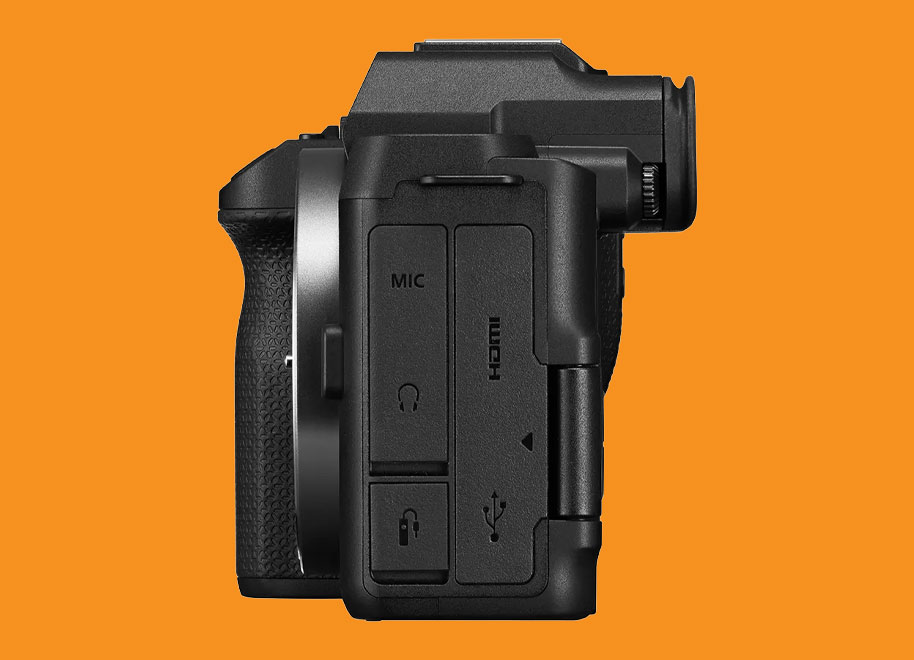
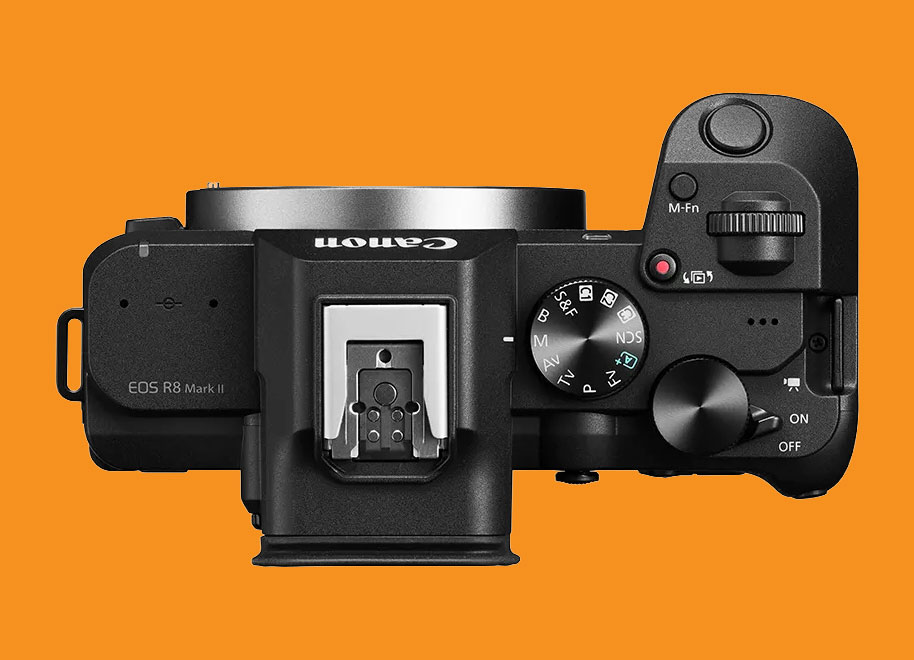
For travel, family photography, portraits, landscapes and general everyday shooting, 24.2MP is plenty. You get the full-frame look, strong low-light capability and shallow depth of field without carrying one of Canon’s larger bodies.
It is also surprisingly capable for video.
The R8 Mark II records uncropped 4K60 oversampled from 6K, Full HD up to 180p and Canon Log 3 with up to 14 stops of claimed dynamic range. Canon has also added a tally lamp, close-up product demo auto-focus and USB-C charging and streaming.
That makes it especially appealing for someone who takes photography seriously but also shoots Reels, YouTube, travel video or client content occasionally.
What Makes the R8 Mark II So Appealing?
Its biggest strength is the balance.
You are getting:
Full-frame image quality
IBIS
40 fps electronic shooting
Excellent auto-focus
4K60 video
A proper EVF
A very small body
And a much lower price than the R6 Mark III.
That difference leaves a lot of room in the budget for something that may make an even bigger difference to your photography:
A better lens.
Canon EOS R6 Mark III: The Camera You Buy When Photography Gets Serious
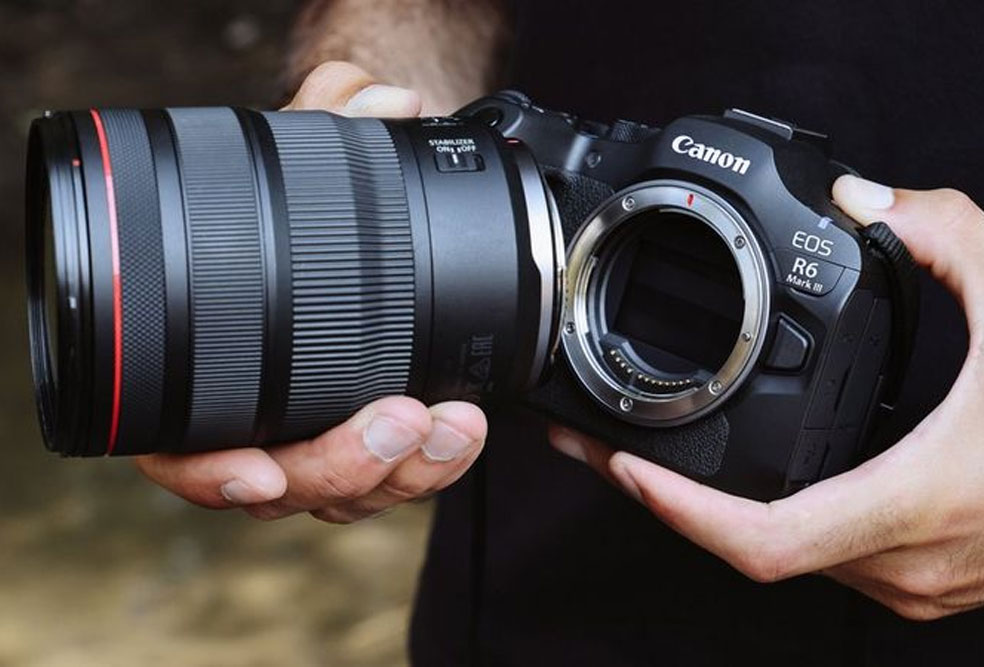
The R6 Mark III is built for the photographer who needs more from the camera itself.
The biggest difference starts with resolution.
Canon has increased the sensor to 32.5MP, giving you substantially more room for cropping, larger prints and detail-heavy work compared with the 24.2MP R8 Mark II. It can still shoot up to 40 fps electronically, so you are not trading speed for resolution.
For wildlife and sports photographers, that extra resolution matters.
If a bird is smaller in the frame than you would like, 32.5MP gives you more freedom to crop.
For landscapes, you get more detail.
For portraits and commercial work, you have more resolution for larger output.
The body itself is also built around more demanding use.
You get dual card slots, including CFexpress Type B and UHS-II SD, a larger LP-E6P battery system, a larger grip and a body that feels much more natural when paired with larger RF lenses. Henry’s
That is the kind of stuff that does not sound exciting until you are photographing a wedding, wildlife trip or event all day.
Then it matters a lot.
Video Is Where the R6 Mark III Really Pulls Away
The R8 Mark II is a very capable hybrid camera.
The R6 Mark III is closer to a true professional hybrid.
Canon gives it internally recorded 7K RAW up to 60p, 7K Open Gate up to 30p, 4K120, Canon Log 2 and Canon Log 3, plus oversampled 4K60. Canon claims up to 15+ stops of dynamic range with Canon Log 2. Henry’s
Open Gate is especially interesting for modern content creation because it gives you more freedom to crop the same footage for horizontal and vertical platforms later.
If you are shooting weddings, commercial content, short films, interviews or serious YouTube work, that added flexibility starts to justify the price.
R8 Mark II vs R6 Mark III: The Differences That Matter
| Feature | Canon EOS R8 Mark II | Canon EOS R6 Mark III |
|---|---|---|
| Sensor | 24.2MP full frame | 32.5MP full frame |
| IBIS | Yes | Yes |
| Electronic Burst | Up to 40 fps | Up to 40 fps |
| Card Slots | 1 x SD UHS-II | CFexpress Type B + SD UHS-II |
| Video | 6K-oversampled 4K60 | 7K RAW, 7K Open Gate, 4K120 |
| Log | Canon Log 3 | Canon Log 2 + Log 3 |
| Battery | LP-E17 | LP-E6P |
| Weight | Approx. 546g | Approx. 699g |
| Best For | Travel, family, enthusiast hybrid shooting | Wildlife, weddings, events, professional hybrid work |
| Canadian MSRP / Henry’s Price* | $2,499.99* | $3,499.99* |
*Priced during the creation of this article. Price subject to change.
Which One Should You Buy?
Buy the R8 Mark II If…
You want to move into full frame without immediately building a large, heavy kit.
You shoot travel, family, portraits, landscapes and general photography.
You care about video but do not need RAW or advanced cinema workflows.
You would rather put the extra $1,000 toward better glass.
For most hobbyists and enthusiasts, I think this is the smarter buy.
Buy the R6 Mark III If…
You shoot wildlife, sports or events regularly.
You crop heavily.
You photograph professionally.
You need dual memory cards.
You use larger RF lenses.
You shoot serious video alongside photography.
You want one body you can grow into for years.
For a working photographer or advanced enthusiast, the R6 Mark III gives you fewer reasons to upgrade again later.
What About Sony?
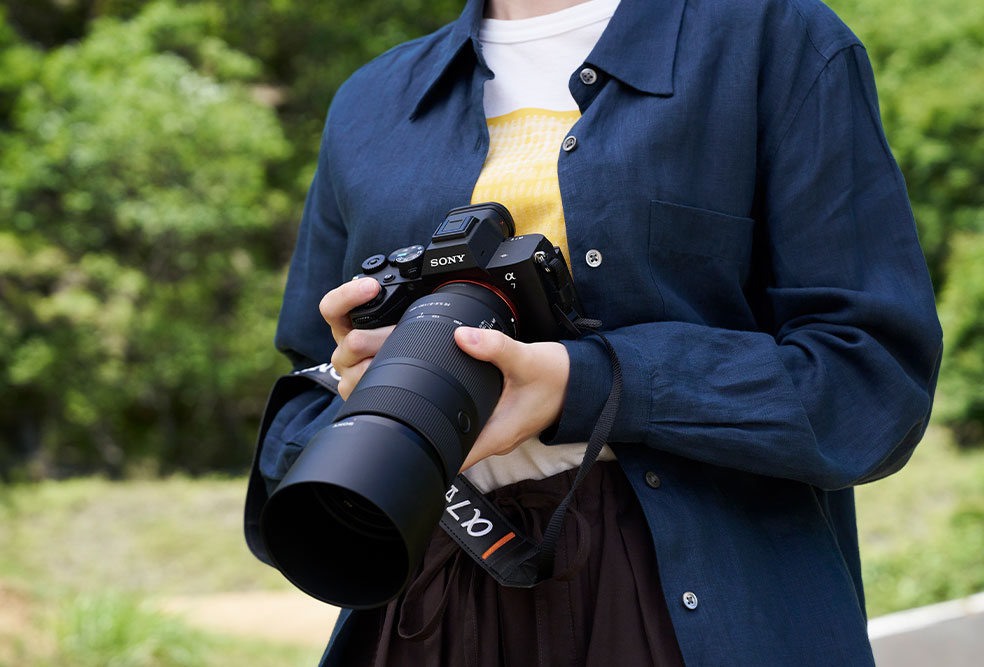
Sony Alpha 7 V
The obvious Sony competitor is the Alpha 7 V.
It uses a 33MP full-frame partially stacked sensor and Sony’s latest BIONZ XR2 processor with integrated AI subject recognition. Price wise, it sits very close to the R6 Mark III rather than the R8 Mark II.
The Sony makes the most sense if you value:
A huge E-mount lens ecosystem
Strong subject recognition
A 33MP sweet spot for hybrid shooting
Access to Sony, Sigma, Tamron and other third-party lenses
That lens ecosystem remains one of Sony’s biggest advantages.
If you are starting completely fresh and like experimenting with different lens brands and price points, Sony deserves a serious look.
What About Nikon?
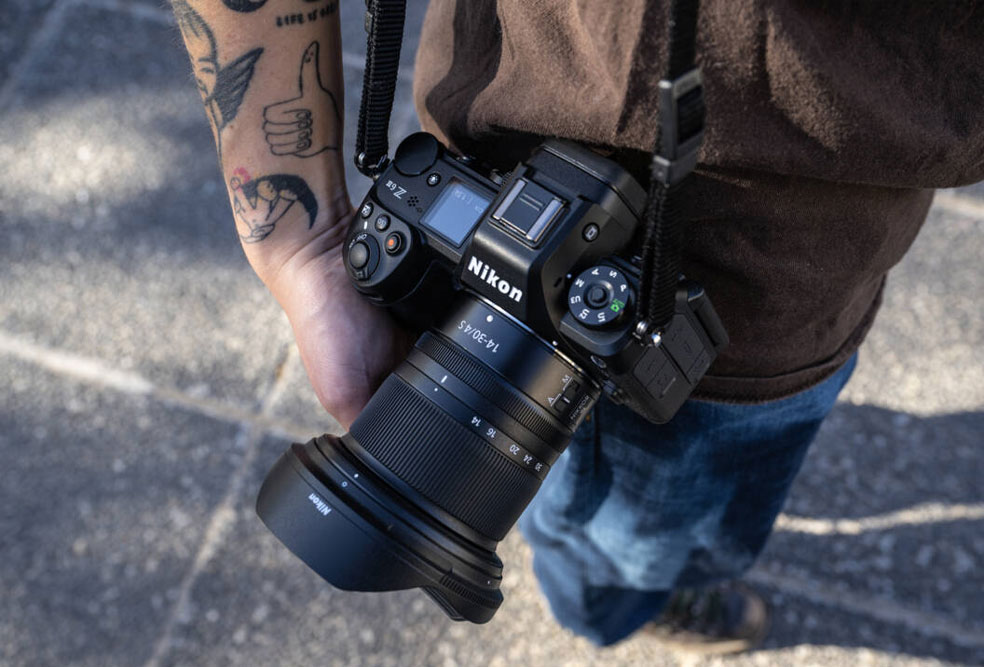
Nikon Z6III
The Nikon Z6III is one of the strongest alternatives to both Canons.
It uses a 24.5MP partially stacked full-frame sensor, offers up to 20 fps RAW shooting, 6K60 internal RAW video and up to 8 stops of built-in vibration reduction. Nikon also gives it subject detection for nine types of subjects and auto-focus technology derived from the Nikon Z8 and Nikon Z9.
It sits somewhere between the two Canons philosophically.
Resolution is closer to the R8 Mark II.
Body capability and video features are much closer to the R6 Mark III.
If video matters heavily to you, the Z6III is especially compelling.
What About Fujifilm?
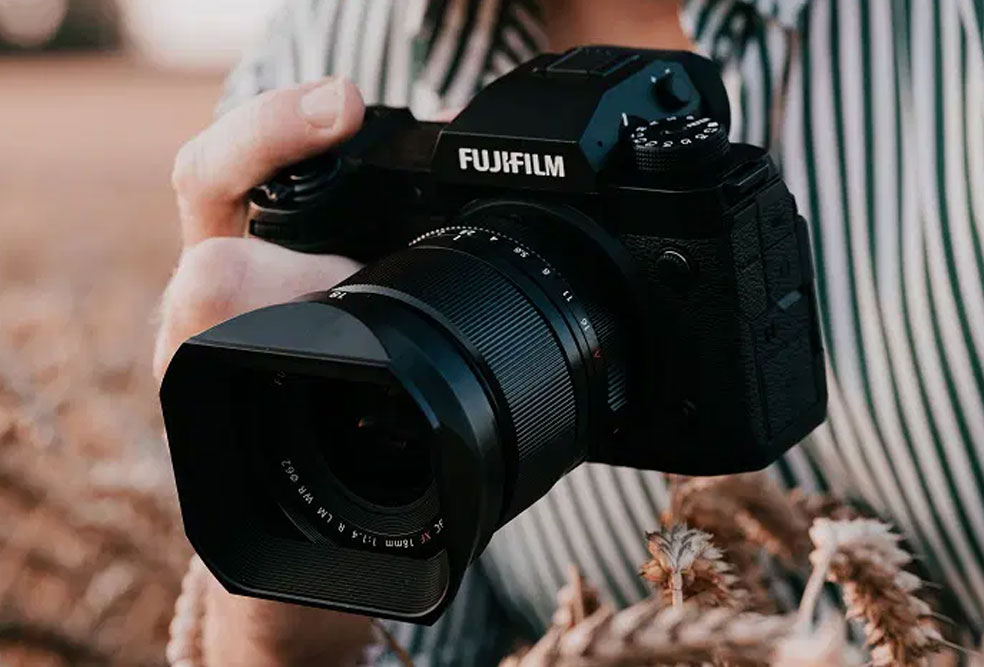
Fujifilm X-H2
Fujifilm is the wildcard because the X-H2 is APS-C rather than full frame.
But don’t dismiss it because of sensor size.
The X-H2 uses a 40.2MP sensor, offers up to 7 stops of IBIS and can record 8K30 internally, including Apple ProRes formats. It also offers 160MP Pixel Shift Multi Shot for static subjects.
For landscape, travel, portrait and studio photographers, that 40MP resolution is extremely attractive.
You also get smaller APS-C lenses, Fujifilm’s excellent colour profiles and a very mature XF lens ecosystem.
If you prioritize resolution and portability more than full-frame low-light performance, the X-H2 is worth considering.
The Three Lenses I’d Build Around First
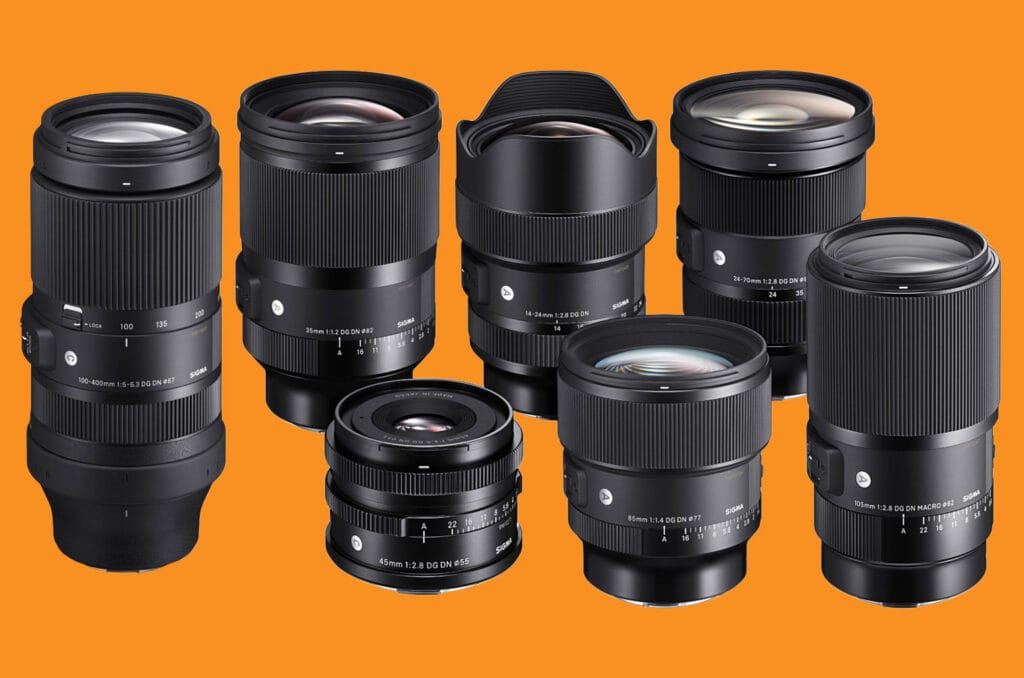
A camera body gets most of the attention.
But the lens often changes your photography more.
If you are starting a full-frame Canon kit, I would think about building around three lens types instead of buying random focal lengths.
1. A Wide-Angle Zoom
Something in the 14-35mm or 15-35mm range.
This becomes your landscape, architecture, travel and interior lens.
A lens like the Canon RF 14-35mm F4 L IS USM is lighter than the f/2.8 alternative and pairs especially well with a smaller body like the R8 Mark II.
If astrophotography or low light is a major priority, then the faster RF 15-35mm F2.8 L becomes easier to justify.
2. A Versatile Standard Zoom
If you are only buying one lens initially, start here.
A 24-105mm is one of the most useful focal ranges available.
It can photograph:
Landscapes
Travel
Family
Portraits
Events
Food
Street scenes
Even casual wildlife when subjects are reasonably close.
The RF 24-105mm F4 L is the premium all-rounder.
The RF 24-105mm F4-7.1 is the lighter, more affordable option.
For most people, this is the lens that stays on the camera the longest.
3. A Fast Portrait Prime
Then add something with a wide aperture.
A 50mm or 85mm prime is a great place to start.
Something like Canon’s RF 50mm F1.8 gives you an inexpensive way to experiment with shallow depth of field and low-light photography.
Move to an 85mm and you get the more compressed, classic portrait look.
And if you want something a little different, Canon’s newer RF 45mm F1.2 gives you a very fast normal prime that can handle everything from environmental portraits to everyday photography. Canon launched that lens alongside the R6 Mark III.
Don’t Spend Everything on the Body
This is probably the most important part of the comparison.
An R8 Mark II with a great lens may produce better results for you than an R6 Mark III with a lens you bought purely because there was no money left.
If your entire budget is around $4,000, I would seriously consider the R8 Mark II and putting the difference toward better glass.
If you already own RF lenses, shoot professionally or know you need the durability, cards, battery life and higher-resolution files, then stepping up to the R6 Mark III makes much more sense.
That is why neither camera is really the “better” camera.
The R8 Mark II is Canon making fewer people compromise when entering full frame.
The R6 Mark III is Canon giving experienced photographers more room before they hit the limits of the body.
And that is ultimately how I would choose between them.
Not by asking which camera has the better specification sheet.
Ask which one leaves you with the best overall kit.
Explore More Cameras
- Build Your Dream Sony G Master Kit — And Save While You Can
- Stunning Wildlife, Mountains & the Canon R5 MkII in Beautiful BC
- Exploring the Differences Between Canon Cameras: Mirrorless, DSLR, and Compact
- Why Content Creators Love The Nikon Z8 Camera
- Half the Size, Double the Fun: Meet the Fujifilm X Half – Your Ultimate Travel Companion
- Sony Alpha a7R VI: The New Benchmark for Resolution and Speed