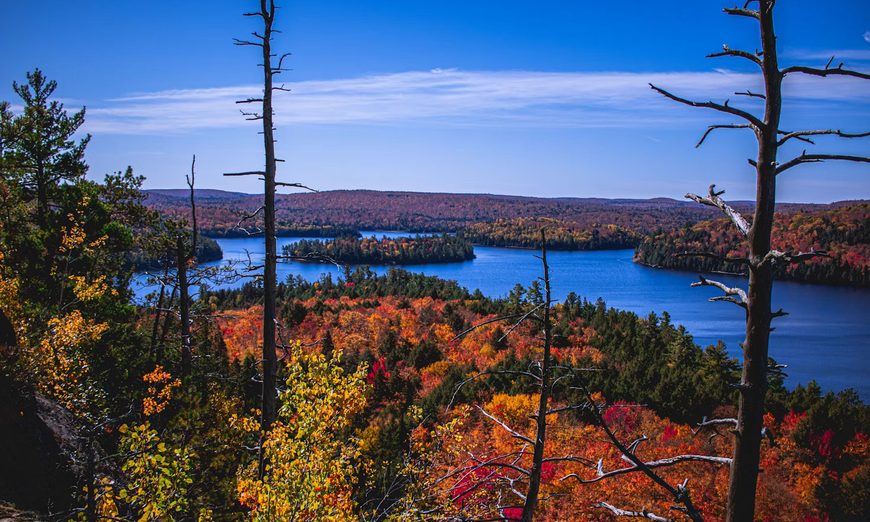
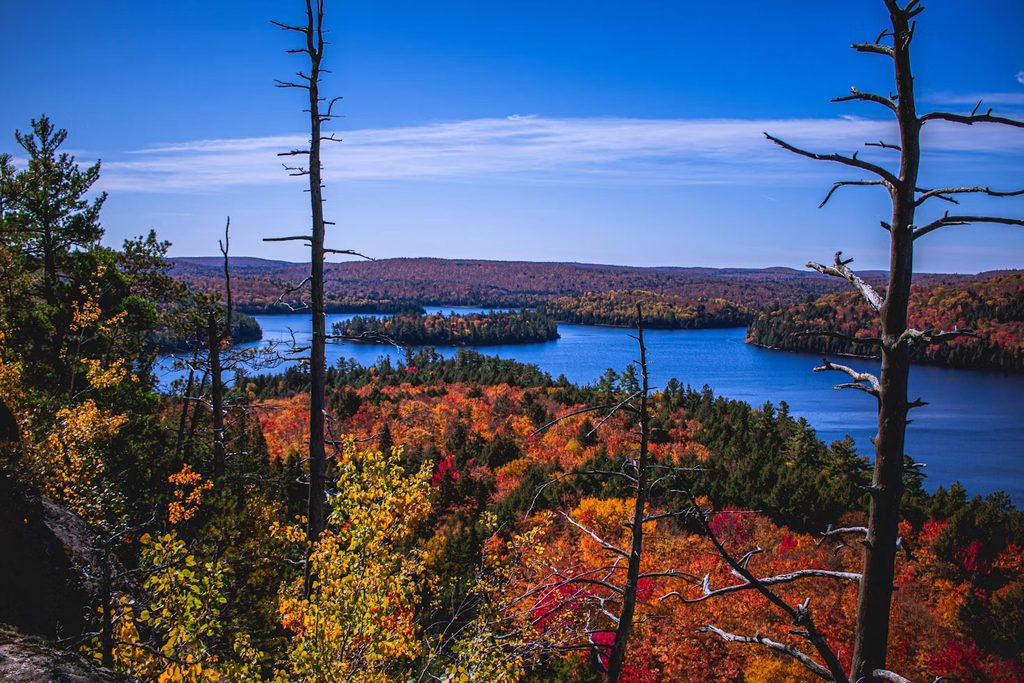
There is something about fall that makes people want to pick up a camera.
The colour changes quickly. Morning fog hangs over lakes and fields. The light gets softer. Sunsets come earlier. Forest floors fill with texture and contrast. And here in Canada, the season can go from green to peak colour to bare trees in what feels like no time at all.
That short window is exactly what makes fall landscape photography so rewarding.
Whether you’re heading into Algonquin Park, photographing a favourite trail close to home, or just pulling over because a stand of maples suddenly looks incredible, fall is one of the best times of year to slow down and really think about composition, light and colour.
You also don’t need an enormous camera kit to get great results.
A good camera, one or two useful lenses, a tripod and a polarizing filter can take you a very long way.
Start With the Light
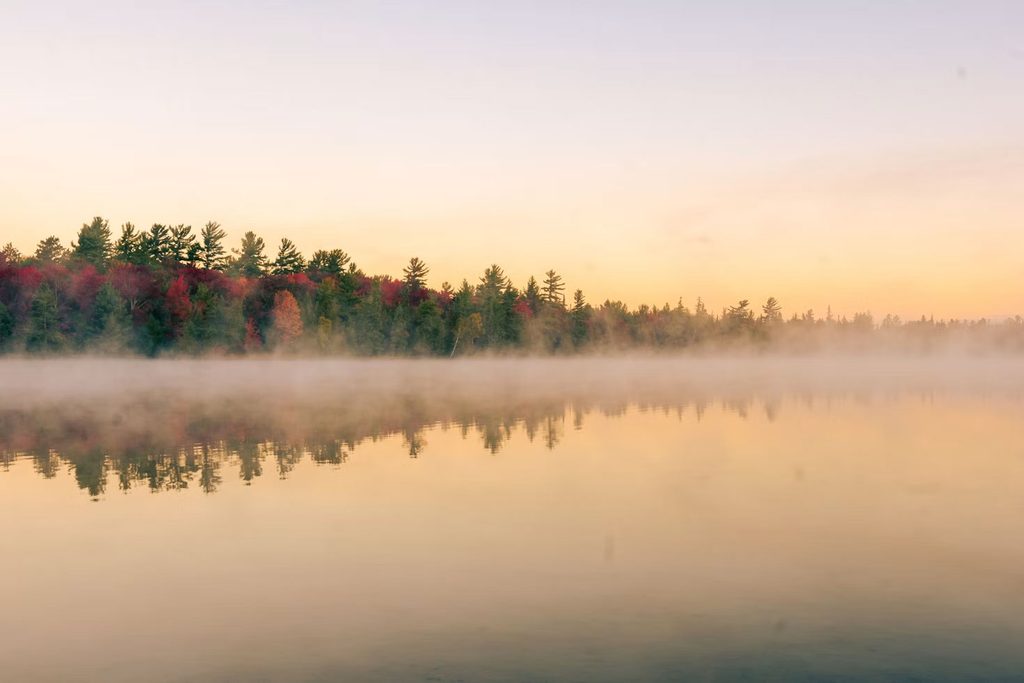
Fall colour gets all the attention, but light is what makes it work.
Bright midday sun can make leaves look flat and reflective. Early morning and late afternoon tend to give you softer contrast, warmer colour and much more depth.
Cloudy days can actually be excellent too.
Soft overcast light reduces harsh reflections and makes colour feel rich and even, especially in forests where direct sunlight can create difficult patches of brightness and shadow.
Fog and mist are even better.
A familiar location can look completely different when layers of trees disappear gradually into the distance.
If you can, revisit the same place under different conditions.
Fall changes quickly, and so does the photograph.
Recommended Cameras for Beginners
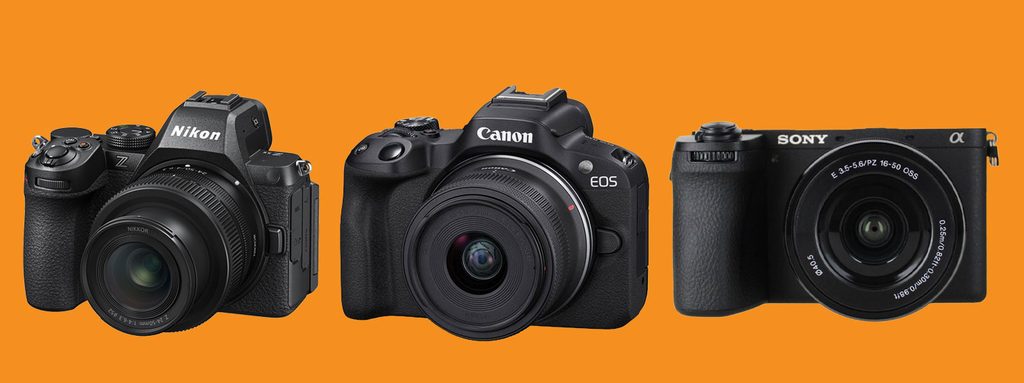
The good news for someone starting out is that landscape photography doesn’t demand the fastest camera on the market.
Resolution, dynamic range, portability and a good lens matter more than extreme burst speeds.
Canon EOS R50
The Canon EOS R50 is a great starting point if you’re moving from a phone into your first interchangeable-lens camera.
It’s compact, approachable and light enough that you won’t mind carrying it on a hike. The APS-C sensor gives you plenty of image quality for landscapes, and Canon’s RF system gives you room to add more capable lenses as you progress. Henry’s already recommends the R50 as a strong beginner option because of its simple controls, auto-focus and compact size.
Nikon Z5II
If you want to start with full frame, the Nikon Z5II is an interesting step up.
Full-frame cameras can offer stronger low-light performance and dynamic range, which becomes useful when you’re photographing bright skies above dark forests or working around sunrise and sunset. The Z5II also gives you access to Nikon’s excellent Z lenses and enough capability to keep growing for years.
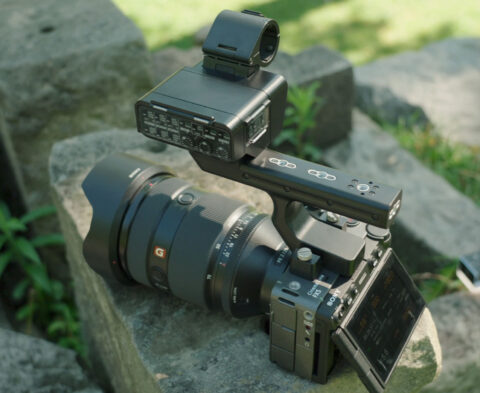
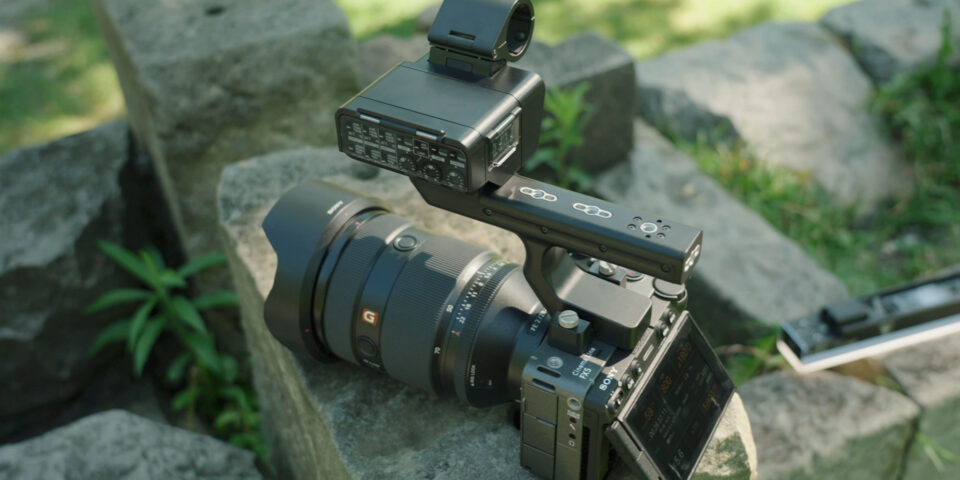
Sony Alpha a6700
For someone who wants one compact camera for both photography and video, the Sony a6700 is worth a serious look.
It’s small, powerful and capable enough that you could start with it and keep using it well into more advanced work. The APS-C format also helps keep your overall kit relatively light, which is a real advantage if most of your landscapes involve hiking.
Cameras for More Experienced Landscape Photographers
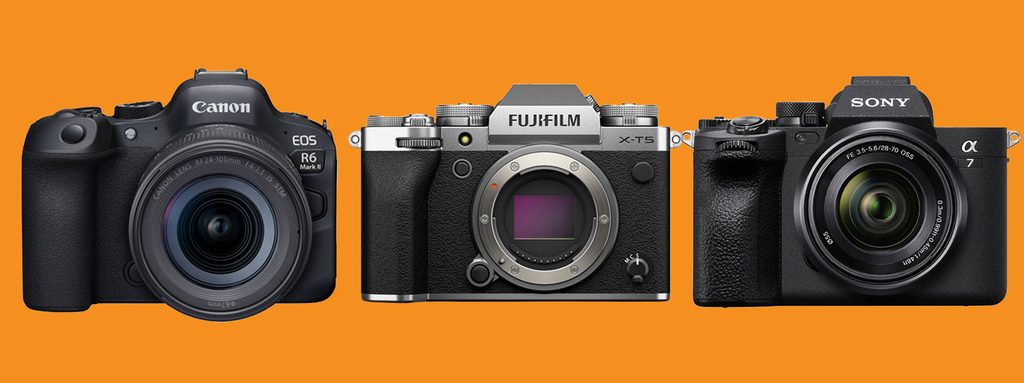
Once you start printing larger, cropping more heavily or pushing RAW files harder in editing, resolution and dynamic range become increasingly important.
Sony Alpha 7 IV
The Sony Alpha 7 IV’s 33MP sensor gives you plenty of detail without creating enormous files, while strong dynamic range helps when you’re dealing with bright skies and dark foregrounds. It’s also a very versatile camera if landscapes are only one part of what you shoot. Henry’s has highlighted it as a strong fall photography option for exactly those reasons.
Fujifilm X-T5
The Fujifilm X-T5 is particularly appealing to photographers who want detail without carrying a large full-frame setup.
Its 40.2MP APS-C sensor gives you lots of room for cropping and large prints, while Fujifilm’s film simulations can be a lot of fun if you enjoy getting attractive colour straight from the camera.
Canon EOS R6 Mark II
If you’re shooting a mix of landscapes, family, wildlife and outdoor photography, the R6 Mark II remains a versatile option.
It isn’t the highest-resolution camera in Canon’s lineup, but its strong low-light performance, auto-focus and overall speed make it a great all-round outdoor camera, especially if your fall photography extends beyond stationary landscapes.
The Lenses That Matter Most
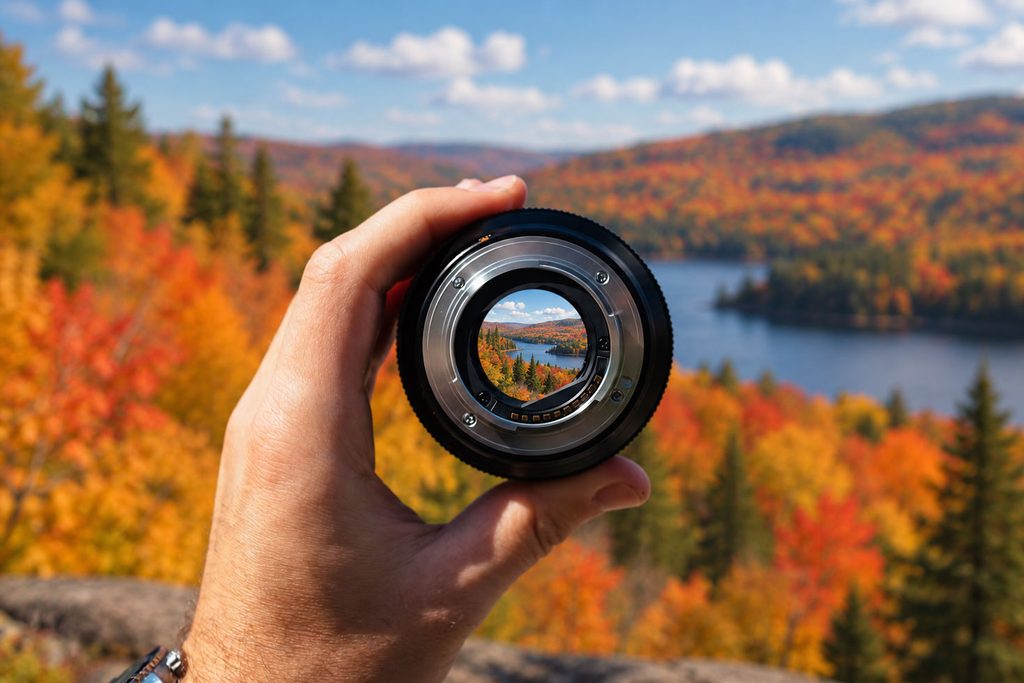
You don’t need five lenses in your bag.
In fact, constantly changing lenses can slow you down and make you miss the light.
For most fall landscape photographers, I would build around three useful focal-length ranges.
Wide Angle: 14mm to 35mm
A wide-angle lens is the classic landscape choice.
It allows you to include foreground elements such as rocks, fallen leaves, shoreline or trail features while still showing the broader scene behind them. Henry’s recommends wide-angle primes around 20mm or 24mm, or zooms around 16-35mm, for landscape work.
Try something like:
Sigma wide-angle zoom options for your mount
The trick is not simply to fit more into the frame.
Wide lenses work best when you give the viewer something strong in the foreground.
A trail leading through orange leaves.
A rock beside a lake.
A fallen log.
A patch of red maple leaves close to the lens.
That foreground gives the image depth.
Standard Zoom: 24mm to 70mm or 24mm to 120mm
This is probably the most useful landscape lens for most people.
A standard zoom gives you enough width for broad scenes while also letting you tighten the composition when the interesting part of the landscape is smaller than the entire view.
Lenses such as the Sony 24-70mm f/2.8 GM II, Nikon Z 24-120mm f/4 S, Canon EF 24-105mm f/4L II USM Lens and Fujifilm XF 16-55mm f/2.8 are all strong examples of versatile lenses Henry’s has recommended for fall shooting.
The 24-100+ range is particularly useful for travel and hiking because one lens can cover a surprising amount of ground.
Telephoto: 70mm to 200mm and Beyond
This is the landscape lens people often forget.
A telephoto zoom lens lets you isolate smaller sections of a scene instead of trying to photograph the entire forest.
A single red tree surrounded by evergreens.
Layers of hills disappearing into fog.
A distant shoreline.
A colourful ridge lit by the last light of the day.
Longer lenses also create compression, making distant layers appear visually closer together.
Henry’s fall photography guides specifically recommend 70-200mm lenses for isolating colour and compressing rolling hills or forest layers.
If you’re heading somewhere with wildlife too, a 100-400mm can be an excellent two-purpose fall lens.
Don’t Forget Macro
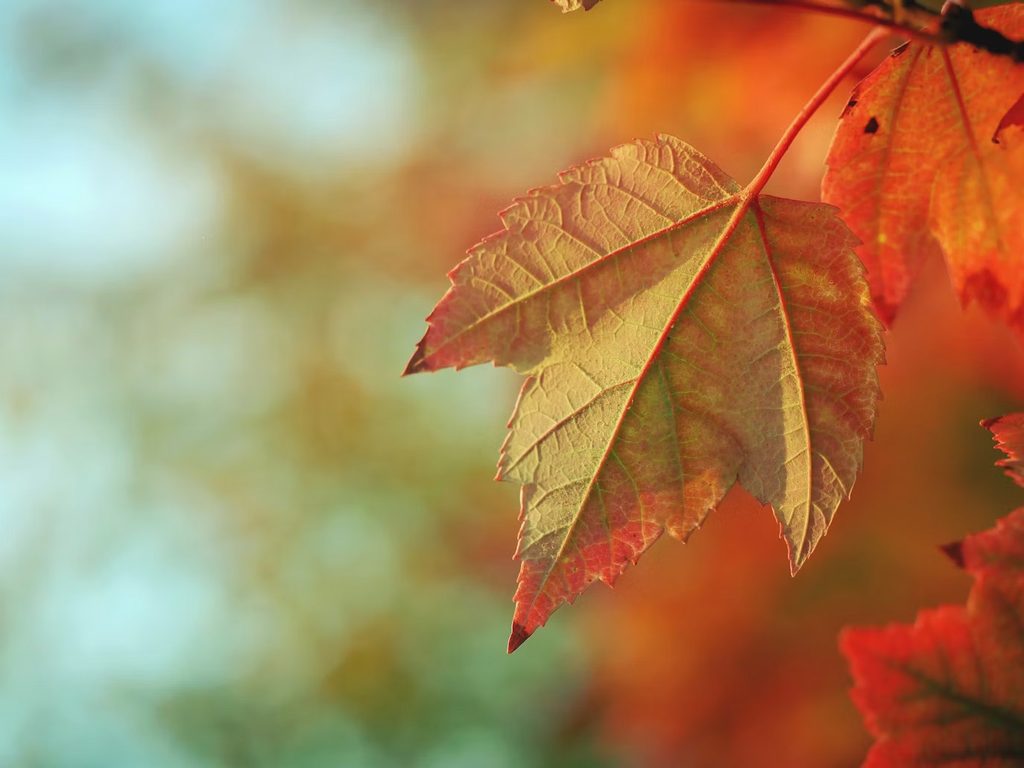
Fall landscapes aren’t always landscapes.
Look down.
Mushrooms, moss, frost, leaves, bark, berries and water droplets can sometimes tell the story of the season better than another wide shot of a forest.
A macro lens like a 90mm or 100mm can open up an entirely different type of fall photography, and Henry’s has long recommended macro lenses for autumn details and textures.
The Accessory I Wouldn’t Leave Home Without: A Polarizing Filter
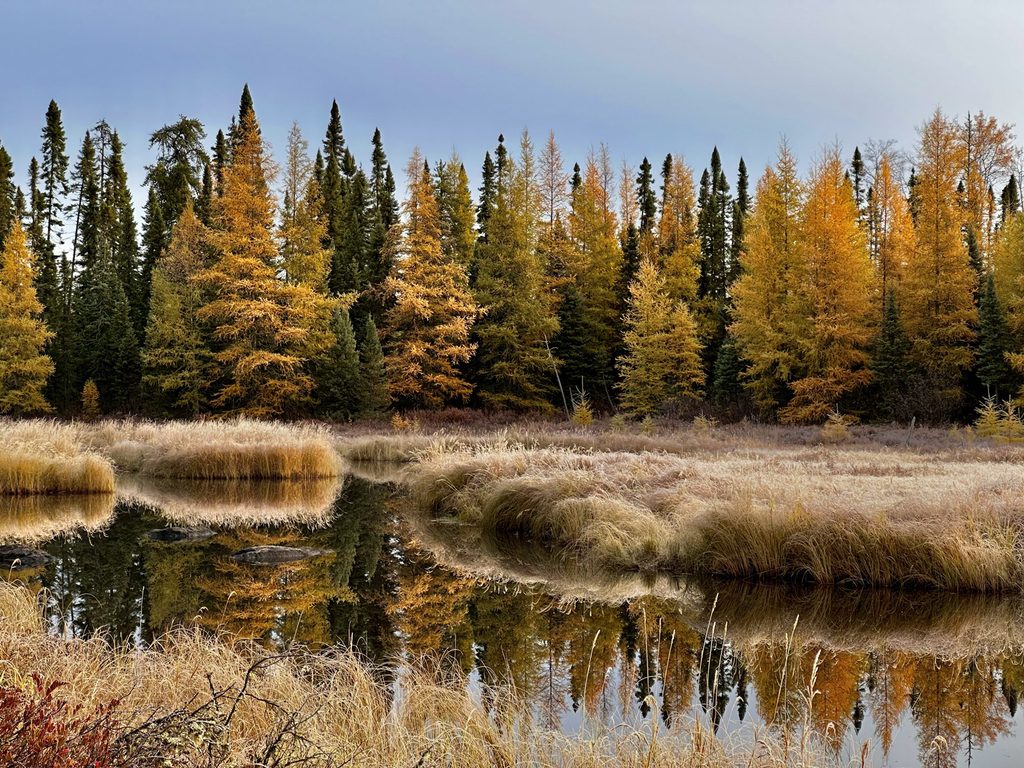
If you’re photographing fall colour, a circular polarizing lens filter is one of the most useful accessories you can own.
Leaves reflect light.
Water reflects light.
Wet rocks reflect light.
A polarizer lens filter can reduce those reflections, making colours appear deeper and helping you see through glare on water and foliage.
Rotate the filter while looking through your viewfinder and you’ll see the effect change.
Just don’t automatically turn it to maximum strength.
With very wide lenses, especially under blue skies, an aggressive polarizer can sometimes create uneven-looking skies.
Use it for the image, not because it’s attached to the lens.
Bring a Tripod
A tripod becomes increasingly valuable in fall because the best light often happens when there isn’t much light.
Early morning.
After sunset.
Under a dense forest canopy.
On cloudy days.
A tripod lets you keep your ISO lower and use slower shutter speeds while maintaining sharpness.
It also encourages something else that is just as valuable:
Slowing down.
Instead of walking up, taking a quick photo and leaving, you start adjusting your composition by centimetres.
That’s often where landscape photography improves.
Henry’s currently recommends options such as the Manfrotto Befree Advanced and Peak Design Travel Tripod for portable outdoor shooting, while flexible options like the JOBY GorillaPod can work for unusual low angles.
Try Long Exposures Around Water
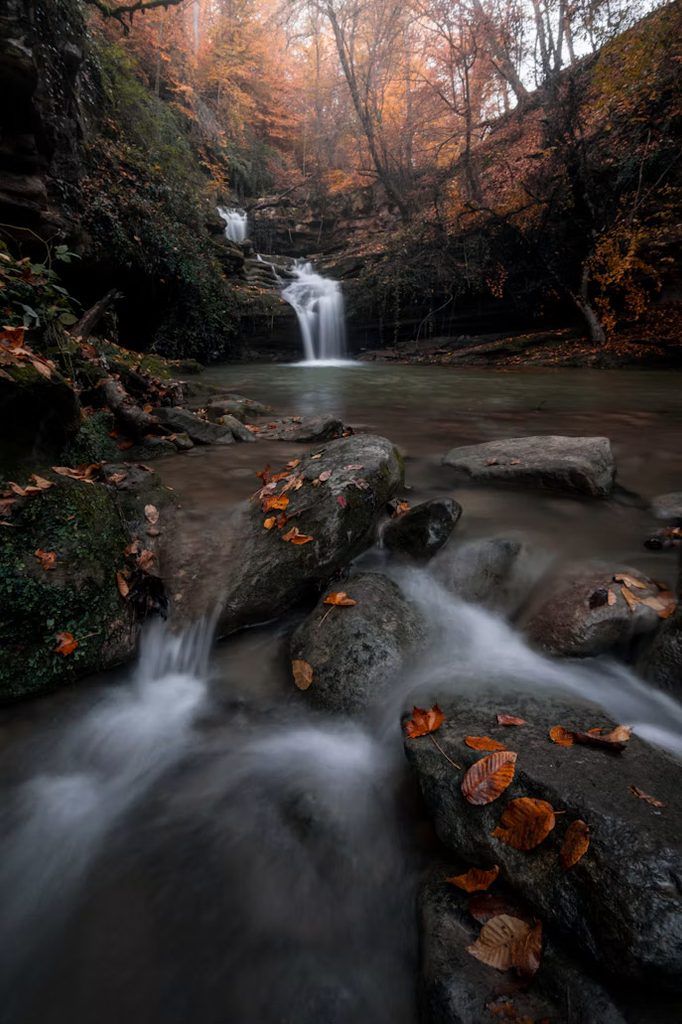
Fall colour and moving water are a perfect combination.
If you’re photographing waterfalls, rivers or waves, experiment with shutter speed.
You don’t necessarily need a 30-second exposure.
Try:
1/4 second
1/2 second
1 second
2 seconds
Each produces a different feeling of movement.
An ND filter can help reduce the amount of light entering the camera so you can use slower shutter speeds during brighter conditions. Henry’s landscape and travel guides both recommend ND filters as useful accessories for this kind of work.
Shoot RAW
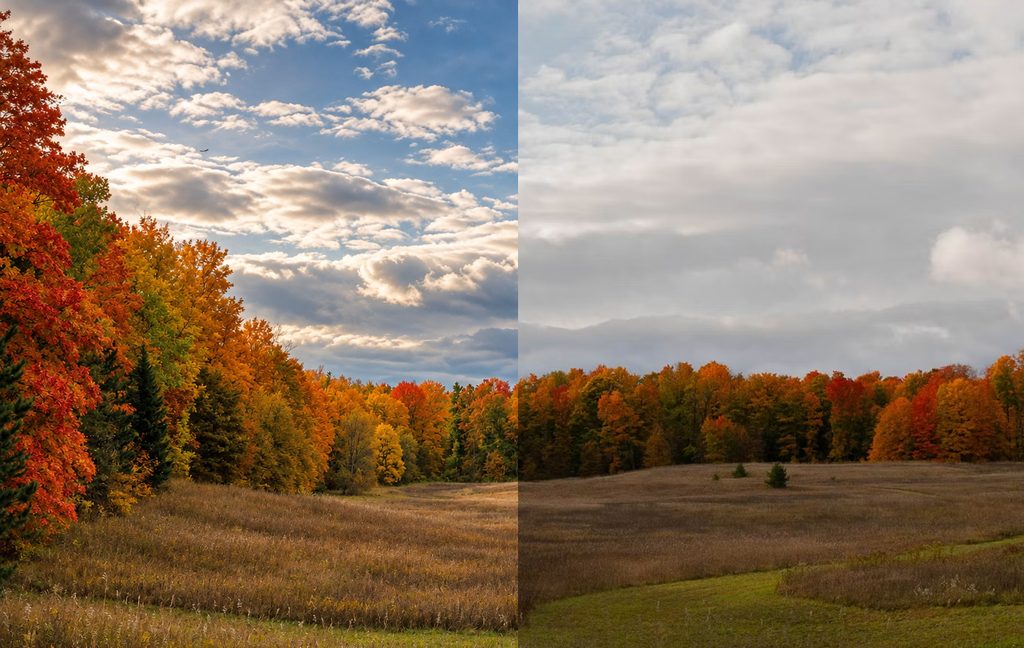
Fall colour is exactly the kind of subject where RAW files are worth it.
You have strong reds, yellows, greens, blue skies and often significant differences between bright and dark areas.
RAW gives you considerably more flexibility when adjusting white balance, recovering highlights and shadows, and controlling individual colours later.
That doesn’t mean making every tree fluorescent orange.
Try to remember what the scene actually looked like.
Editing should help the photograph communicate what you experienced, not make every slider hit 100.
Bracket Difficult Exposures
Sometimes your camera simply can’t capture the entire brightness range of a scene in one exposure.
For example:
A bright sunrise above a dark lake.
A glowing sky behind a shaded forest.
This is where exposure bracketing can help.
Take one normal exposure, one darker and one brighter.
You can decide afterward whether one frame has everything you need or whether combining them into an HDR image gives you a more natural-looking result.
Henry’s recommends exposure bracketing as one way to balance bright skies against darker autumn forests.
Try Backlighting the Leaves
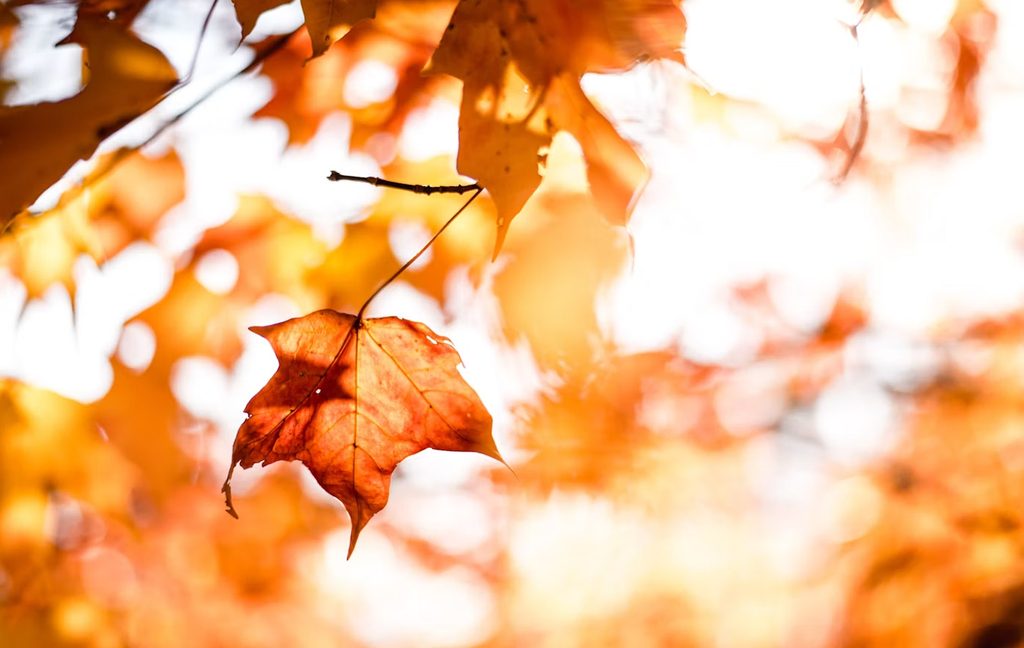
This is one of my favourite fall techniques.
Instead of photographing with the sun behind you, put the sun behind the leaves.
The light passes through them and suddenly the colour seems to glow.
You can do this with an entire tree or isolate a few leaves using a longer lens.
Just pay attention to your highlights.
It’s easy to overexpose the bright edges around the leaves when shooting toward the sun.
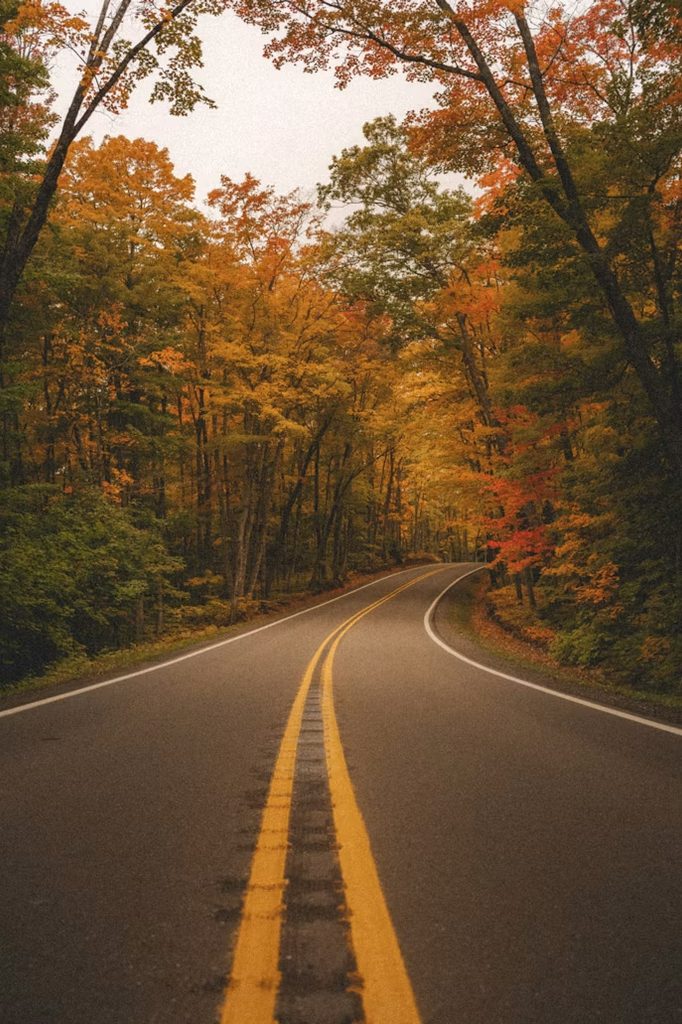
Stop Photographing Everything at Eye Level
One of the easiest ways to make your images look different is to change your perspective.
Get low.
Put leaves close to the lens.
Photograph through branches.
Stand above a scene.
Use a trail or shoreline as a leading line.
Landscape photography often improves when you stop photographing the scene exactly as you first saw it.
Walk around before setting up the tripod.
Sometimes the best composition is 15 metres away from the obvious viewpoint.
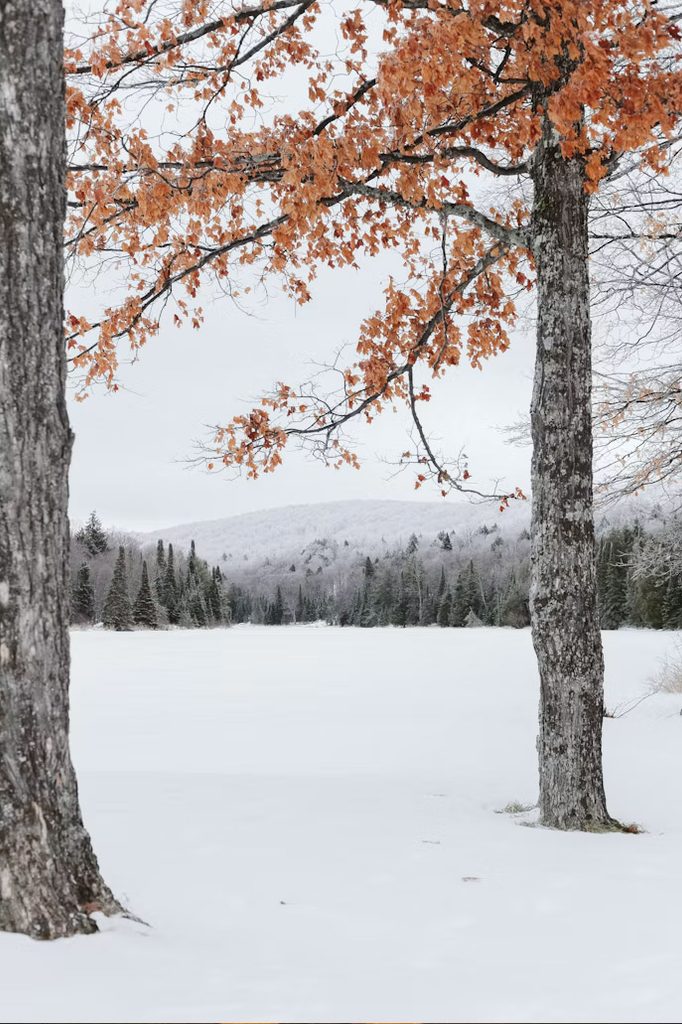
Watch the Weather
Some of the best fall landscape photographs happen when the weather looks questionable.
Rain makes leaves more reflective and saturated.
Fog creates separation between trees.
Storm clouds add drama.
Cold mornings can bring frost and mist.
Just make sure you’re prepared.
A rain cover, lens cloth and weather-resistant bag can make the difference between continuing to shoot and heading home. Henry’s outdoor guides specifically recommend rain protection because autumn conditions can change quickly.
A Simple Fall Landscape Kit

If I wanted to keep the bag light, this is what I’d bring:
- Camera body
- 16-35mm or similar wide zoom
- 24-70mm or 24-120mm standard zoom
- Circular polarizer
- Tripod
- Spare battery
- Lens cloth
- Rain cover
That’s enough for a huge range of fall photography.
If wildlife or distant details are part of the plan, add a telephoto.
If macro is your thing, swap one lens for a macro instead.
The Best Fall Photograph Might Not Be the Biggest View
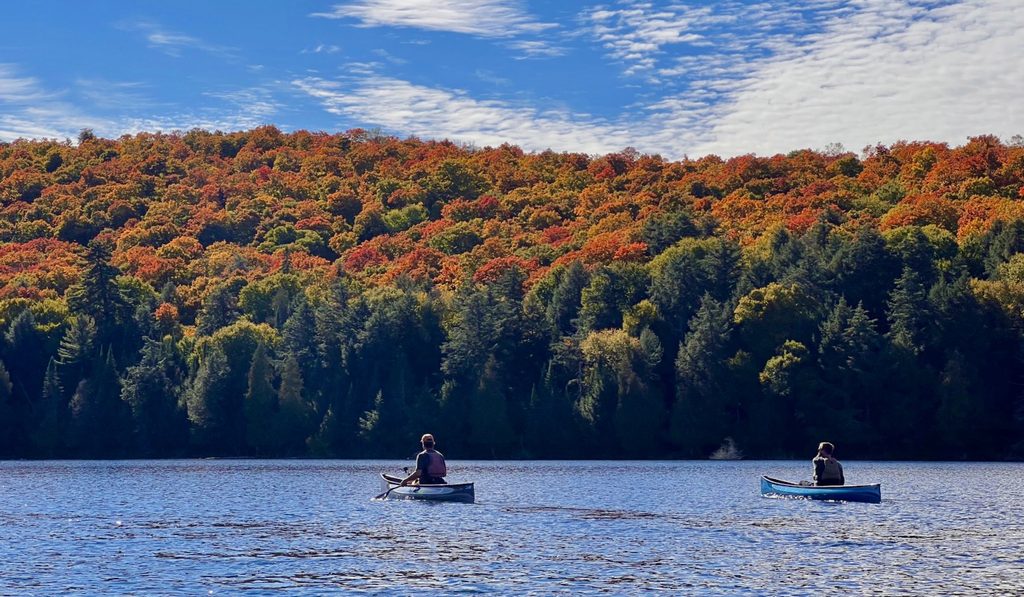
When people think about fall photography, they naturally picture massive forests covered in colour.
Take that shot.
But then look for everything else.
One red leaf floating on dark water.
Fog disappearing between distant hills.
A canoe against a shoreline.
Rain collecting on maple leaves.
A family walking down a trail.
A single tree catching the last light.
Those quieter images often end up being the photographs you remember most.
Fall doesn’t last long.
Charge your batteries, clear your memory cards and get outside while the colour is here.
Explore More Landscape Photography
- Stunning Wildlife, Mountains & the Canon R5 MkII in Beautiful BC
- Landscape Photography with the Sigma 28-70mm F2.8 DG DN Camera Lens
- Are you drawn to Landscape Photography?
- Extreme Landscape Photography: A Survival Guide