As winter light starts to stretch a little longer each day, birders across Ontario know what’s coming next: migration season. From early-season horned larks and returning crows to waves of warblers, shorebirds and raptors, the next few months will be some of the most exciting of the year for bird photography.
Whether you are just starting with your first camera, levelling up your kit, or fine‑tuning a professional setup, Henry’s has the gear and advice to help you make the most of every fleeting fly‑by.
Henry’s has compiled a guide to bird photography including recommended photography equipment.
When birds arrive in Ontario: a quick migration timeline
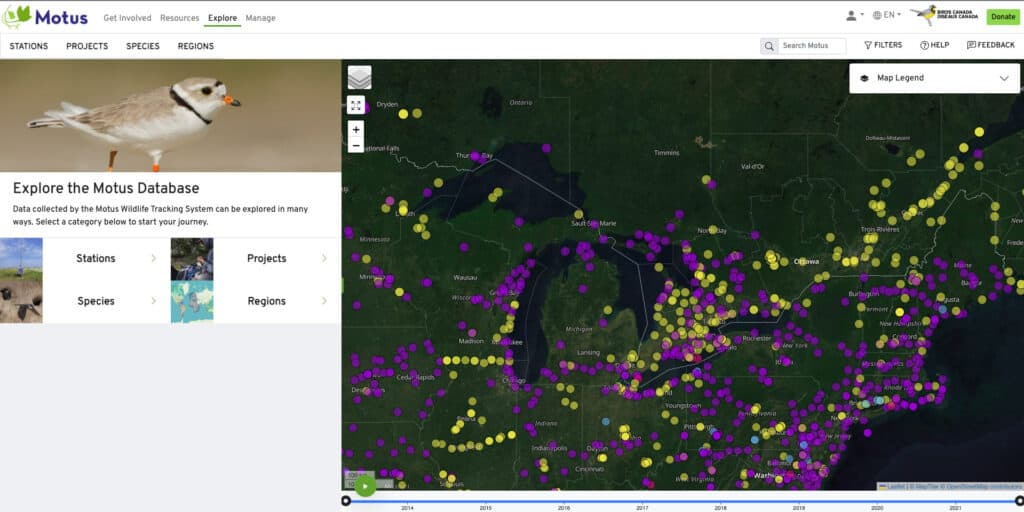
Spring migration doesn’t happen all at once; it rolls across Ontario in distinct waves.
- Late winter to early March: Early migrants like horned larks and American crows begin moving north on warm fronts, hinting that spring is on the way.
- April: Waterfowl numbers build, blackbirds and sparrows increase, and the first hardy songbirds push through southern and eastern Ontario.
- Early to mid‑May: Peak songbird migration, including colourful warblers, tanagers and orioles, brings intense activity to woodlots, ravines and lakeshores.
- Late May into early June: Later migrants such as shorebirds, cuckoos and flycatchers continue to pass through, especially along major waterways like the Ottawa River.
Planning a few outings around these windows, and watching local bird reports, makes it easier to match your photography days with the biggest movement of birds.
Don’t forget to download bird apps like Merlin by Cornell Labs to help identify the birds you see and hear!
Species to watch for this spring
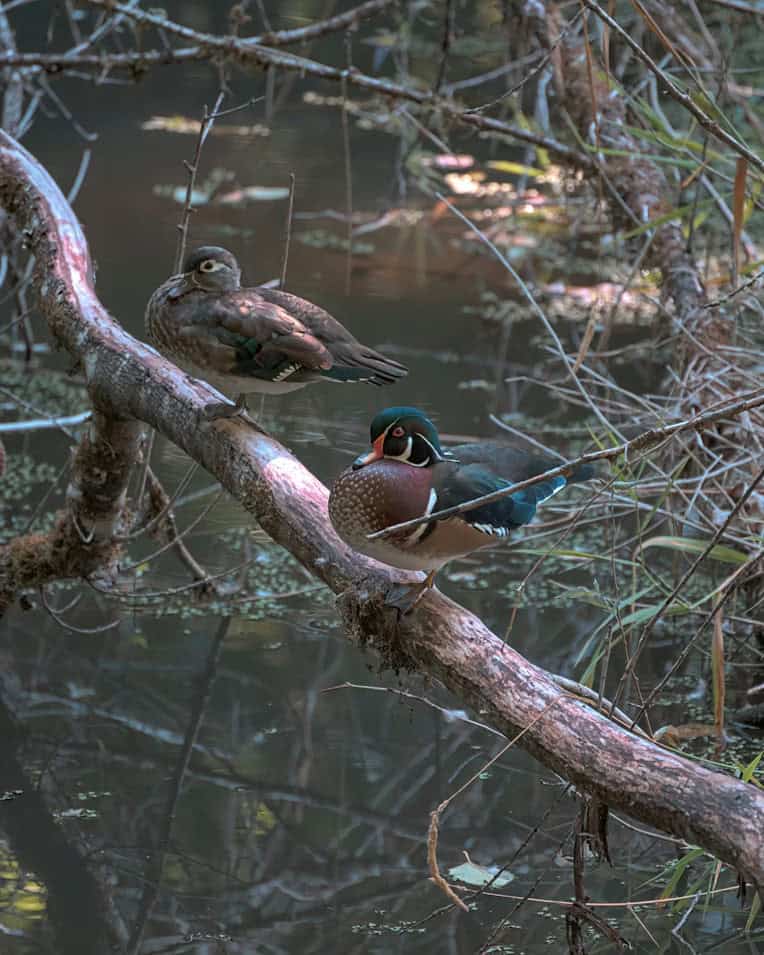
Ontario’s spring migration offers a huge variety of subjects, from distant flocks to close‑up opportunities at local parks.
- Warblers: Small, fast and colourful, warblers are a favourite challenge, often peaking in numbers in May.
- Shorebirds: Sandpipers and plovers move through mudflats and shorelines later in the spring, rewarding patience and long lenses.
- Waterfowl: Ducks, geese and occasionally migrating Brant offer chances for both environmental scenes and tight portraits on open water.
- Raptors: Hawks and other birds of prey ride thermals and migration corridors, especially near escarpments and large bodies of water.
Because many of these species are small and active, choosing the right camera and lens combination—plus a few key settings—will make a big difference in how many keepers you bring home.
Gear basics for bird photography
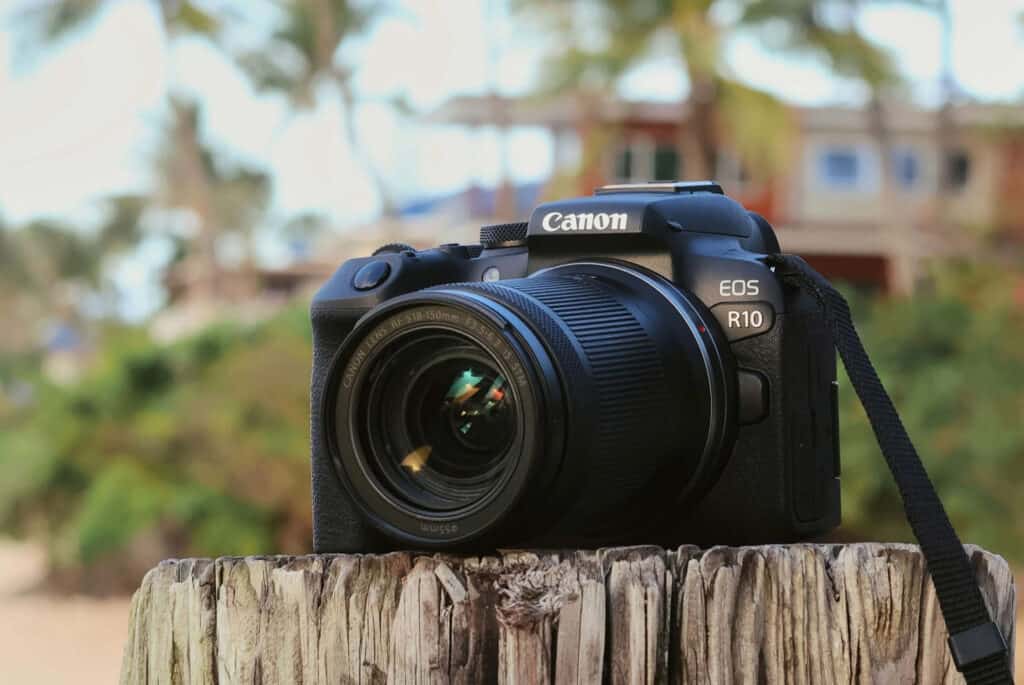
No matter your experience level, bird photography gear revolves around a few essentials: a responsive camera, a telephoto lens and stable support.
Look for a camera that offers:
- Fast autofocus and good subject tracking for birds in flight.
- A high continuous shooting rate (8–12 frames per second or more) to catch wing positions and behaviour.
- Reliable performance at higher ISO for early morning and overcast days.
For lenses, telephoto zooms in the 100–400 mm, 150–600 mm or similar range give you flexibility for both perched birds and flight shots. A sturdy but portable tripod or monopod, a comfortable strap or harness, and extra batteries and memory cards round out a solid birding kit.
Visit Henry’s Bird Photography page to explore cameras, lenses and accessories curated specifically for birding and wildlife.
Recommended gear for every level
For beginners: your first birding kit
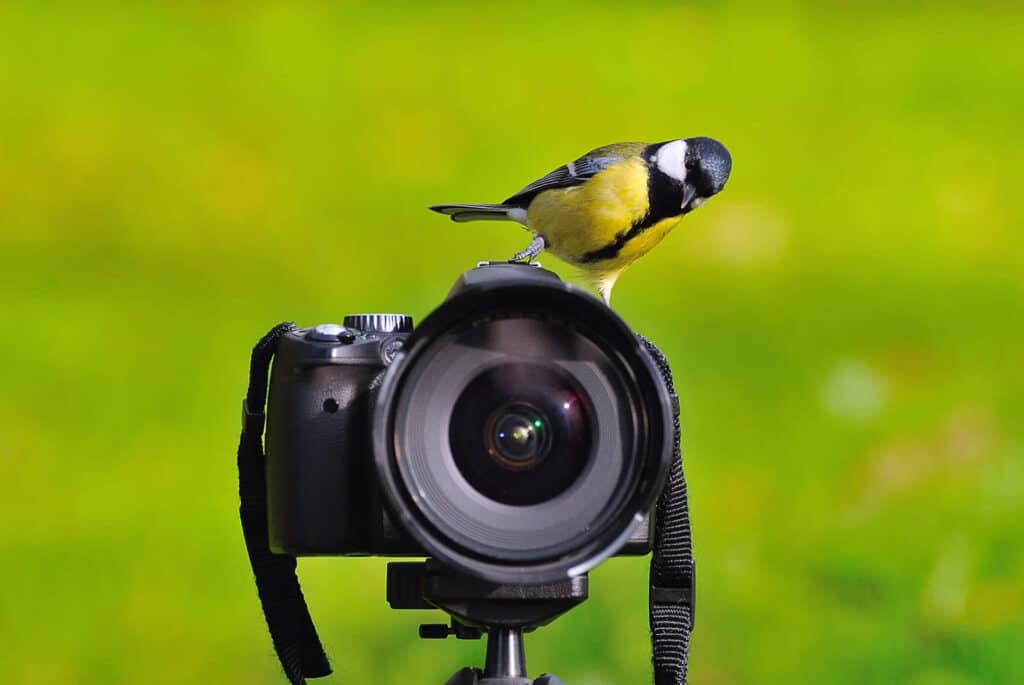
If you are moving up from a smartphone or point‑and‑shoot, an entry‑level mirrorless with a telephoto zoom is a great place to start.
Aim for a kit that offers:
- An easy‑to‑use camera body with guided menus and automatic modes.
- A telephoto zoom (for example 70–300 mm or 100–400 mm equivalent) for extra reach.
- Built‑in image stabilization to help keep handheld shots sharp.
Here are a few great camera packages that will help get you started:
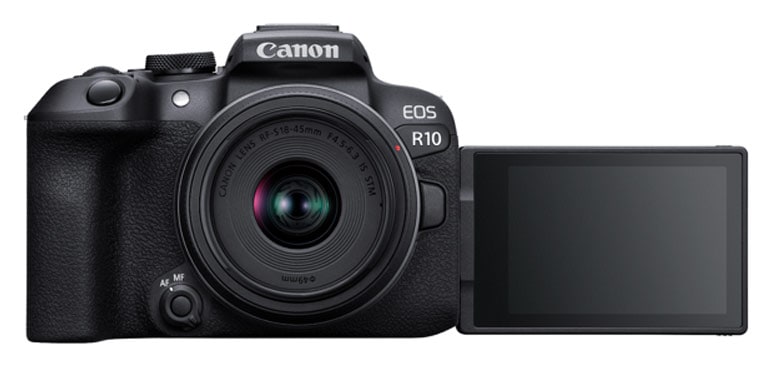
- Canon EOS R10 w/ RF-S 18-45MM Lens Kit
- Add a SIGMA 16-300MM Lens and you’ll have incredible bird photographs.
- Add a SIGMA 16-300MM Lens and you’ll have incredible bird photographs.
- Nikon Z50II w/ 16-50MM Lens Kit
- Add a Nikkor Z 28-400MM Lens. You will enjoy wider angle shots right down to the finest details.
- Add a Nikkor Z 28-400MM Lens. You will enjoy wider angle shots right down to the finest details.
- Sony Alpha A6100 w/ a 16-50MM & 55-210MM Lens Kit
- This kit comes with two lenses that will get you out photographing birds – all in one box!
On Henrys.com, you can browse beginner‑friendly bird photography bundles and starter telephoto lenses, then visit your local Henry’s to handle the cameras in person and get one‑on‑one guidance from our staff.
For enthusiasts: more reach, more control
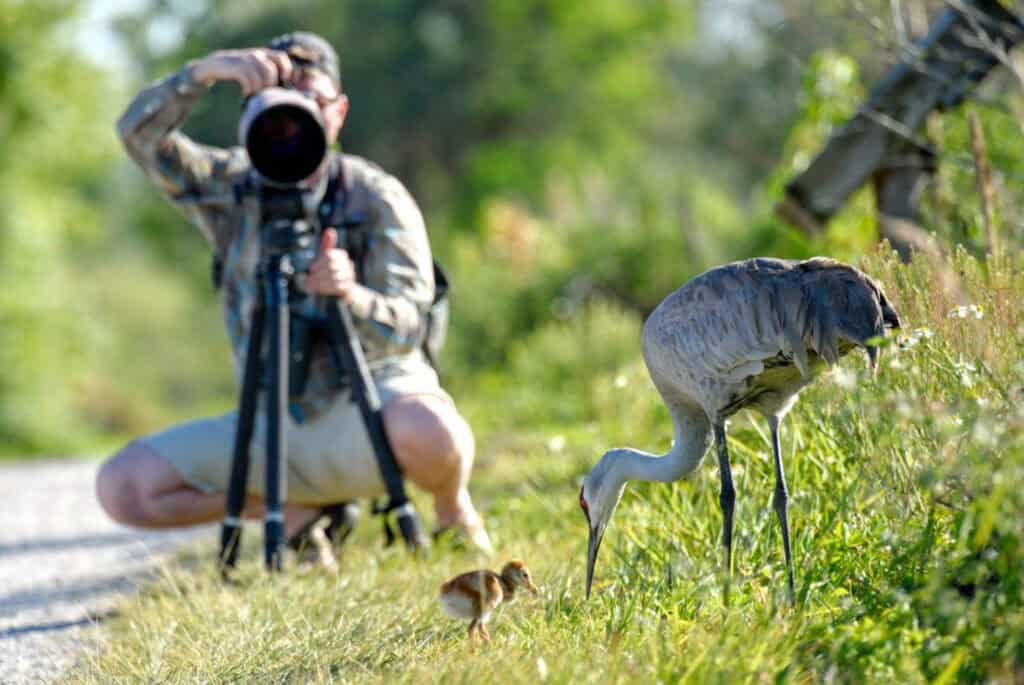
If you already know your way around exposure and want more consistent results, consider stepping up to Birds are small, fast, unpredictable, and rarely close to the photographer. That means photographers need excellent autofocus, fast burst speeds, and serious telephoto reach.
Modern mirrorless cameras have changed the game with AI subject tracking and bird-eye detection, helping photographers lock focus on a bird even in flight.
For enthusiasts stepping into more serious bird photography, a strong combination of high-performance body + long telephoto lens is key.
Below are some excellent setups that offer professional-level performance without entering the extreme super-telephoto price range.
Canon System
Canon EOS R6
The Canon R6 is one of the best value wildlife cameras in the Canon lineup. Its fast autofocus and deep learning subject tracking make it particularly good for birds in flight.
Why it works for bird photography
- Excellent animal eye autofocus
- Fast burst shooting
- Great low-light performance for dawn and dusk
- Strong in-body stabilization for handheld shooting
Recommended Lenses
Long-Range Option
Canon RF 100‑500mm f/4.5‑7.1L IS USM
- One of the most popular wildlife zooms
- Sharp throughout the range
- Ideal flexibility from 100–500mm
- Lightweight compared to super-telephotos
Many wildlife photographers consider this lens an excellent all-around wildlife zoom because of its sharpness and versatility.
Moderate Telephoto Option
Canon RF 100‑400mm f/5.6‑8 IS USM
- Much lighter and more affordable
- Excellent reach for beginner bird photographers
- Very sharp for its price
Canon EOS R5
The R5 is ideal for bird photographers who want more resolution and cropping flexibility. With its high-resolution sensor, it allows photographers to crop into distant birds while maintaining detail.
Why photographers love it
- 45MP resolution for cropping distant birds
- Excellent subject detection autofocus
- Fast burst shooting
- Professional image quality
Recommended Lenses
Long-Range Option
Canon RF 200‑800mm f/6.3‑9 IS USM
- Huge reach for small or distant birds
- Great for wetlands, shorebirds, and raptors
- More affordable than traditional super-telephotos
Moderate Telephoto Option
- Perfect for larger birds and wildlife
- Extremely sharp and portable
- Ideal travel wildlife lens
Nikon System
Nikon Z6III
The Nikon Z6III is a fantastic hybrid wildlife camera with impressive speed and stabilization.
It can shoot up to 20 frames per second electronically and offers excellent in-body stabilization, helping capture sharp images even with long lenses.
Why it’s great for birds
- Fast burst shooting
- Reliable autofocus tracking
- Excellent dynamic range
- Strong low-light performance
Recommended Lenses
Long-Range Option
Nikon NIKKOR Z 180‑600mm f/5.6‑6.3 VR
- Massive reach for birds
- Internal zoom design
- Excellent stabilization
This lens has quickly become one of Nikon’s most popular wildlife lenses.
Moderate Telephoto Option
Nikon NIKKOR Z 100‑400mm f/4.5‑5.6 VR S
- Professional image quality
- Extremely sharp
- Great flexibility for wildlife and sports
Sony System
Sony Alpha A7 IV
The Sony A7 IV is known for its excellent autofocus tracking and large lens ecosystem.
Sony’s real-time tracking system is particularly good at following moving subjects like birds.
Why it’s strong for bird photography
- Excellent real-time subject tracking
- Reliable autofocus system
- Great lens ecosystem for wildlife
- Strong image quality
Recommended Lenses
Long-Range Option
Sony FE 200‑600mm f/5.6‑6.3 G OSS
- One of the most popular wildlife lenses on the market
- Incredible reach
- Internal zoom design
- Excellent sharpness
Moderate Telephoto Option
Sony FE 100‑400mm f/4.5‑5.6 GM OSS
Great balance of reach and portability
Professional-grade optics
Excellent autofocus performance
Henrys.com features a full selection of mid‑range mirrorless bodies, wildlife‑oriented zooms and rugged tripods that are well‑suited to Ontario’s spring conditions, and our in‑store experts can help you compare options side by side.
Quick field tips for sharper bird photos
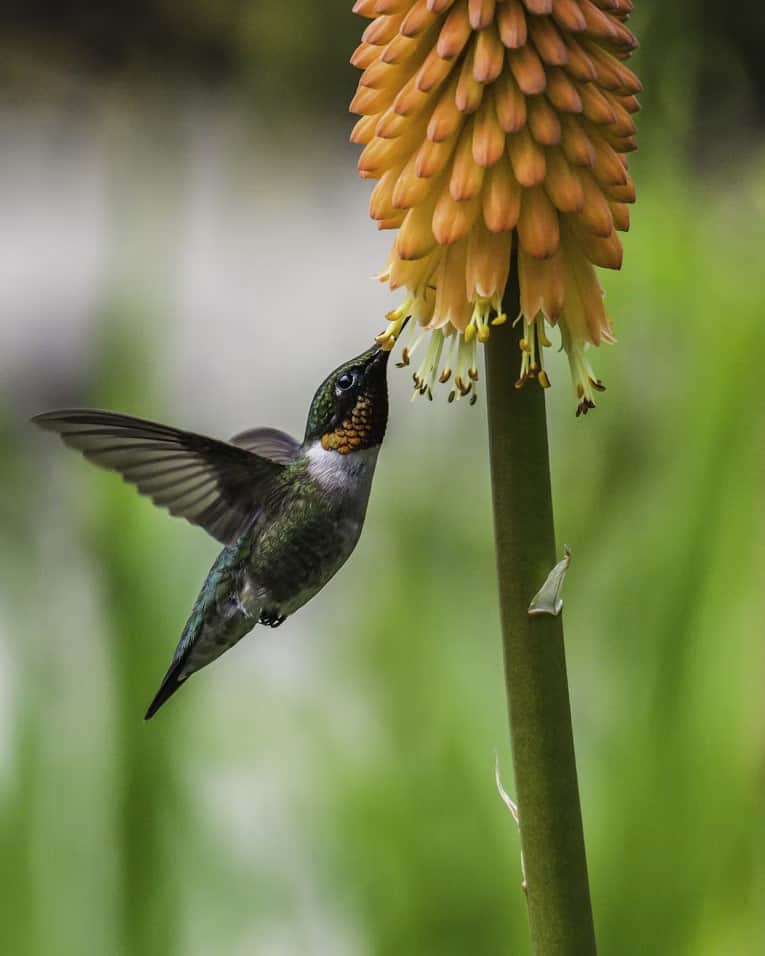
Good gear is only half the story. Applying a few simple settings and techniques in the field will dramatically improve your results.
- Use a fast shutter speed: Start around 1/1000 s (or faster) to freeze motion, especially for birds in flight, and adjust ISO as needed to maintain exposure.
- Continuous autofocus and burst mode: Set your camera to continuous AF and high‑speed drive to track moving birds and capture short action sequences.
- Focus on the eye: Whether the bird is perched or in flight, keeping the eye sharp makes the entire image feel more engaging.
- Work with the light: Early morning and late afternoon offer softer light and more activity, often resulting in better colour and less harsh contrast.
If you are unsure where to start, bring your current camera to a Henry’s store and our team can help you set up custom birding presets before migration hits full swing.
Get personalized birding advice at Henry’s
Every bird photographer’s needs are a little different, depending on where you shoot, how you carry your gear and which species you are most excited about. That’s why Henry’s staff are available to walk you through options in person or online.
- Visit a Henry’s location: Talk to our experts about camera settings, lens choices and accessories tailored to your local birding spots.
- Shop and learn online: Explore our dedicated Bird Photography section, compare gear, and read more tips and tutorials at Henrys.com before you buy.
With migration season just around the corner, now is the ideal time to tune up your kit, ask questions and get ready to make the most of Ontario’s short but spectacular spring.
Explore more from Henry’s
- Henry’s Wildlife & Birding Blog Articles
- Mastering Macro Bird Photography: Capturing the Hidden Details of Nature
- Capture the Beauty of the 2025 Spring Bird Migration in Ontario
- Bird Photography: Essential Gear, Tips & Tricks for Every Photographer