There’s something different about a photo that wins.
It’s not always the rarest animal, the most expensive gear, or even the most exotic location. More often than not, it’s a combination of intention, execution, and attention to detail that sets a great image apart from the rest.
The recent ROM Wildlife Photo Contest showcased exactly that.
We’re thrilled to celebrate the winners from across Ontario and the incredible level of talent submitted. From striking wildlife encounters to thoughtful compositions, this year’s contest was a reminder of just how powerful photography can be when everything comes together.
A big congratulations to all participants, and a thank you to the judges from Sony, Nikon, Fanshawe College, and Henry’s London for helping bring these images to life.
Now the question becomes:
How do you get your images to that level?
Whether you’re entering competitions or simply want to take better photos for yourself, here are a few key ways to elevate your work.
Fill the Frame — Make Every Pixel Count
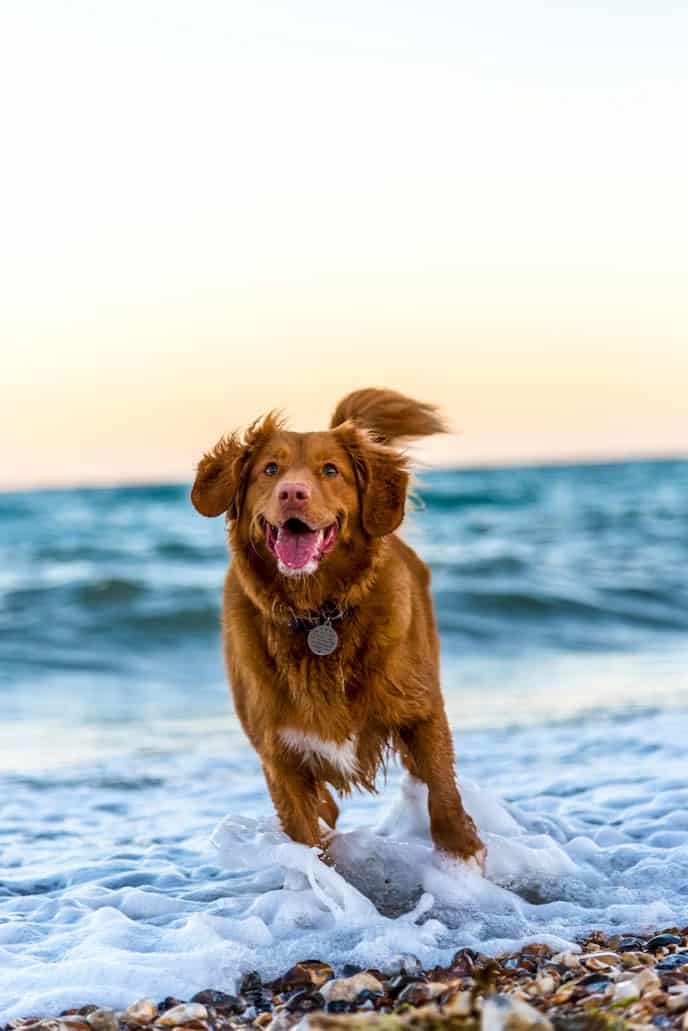
One of the most common differences between a good photo and a great one is how the subject fills the frame.
If the background doesn’t add to the story, it’s often better to eliminate it entirely. Tight crops create stronger visual impact, draw attention to your subject, and remove distractions.
Ask yourself:
Is everything in this frame adding value?
If not, simplify.
Light Is Everything

Lighting can make or break an image.
Understanding when to use:
- Soft light (even, flattering, low contrast)
- Hard light (dramatic, directional, high contrast)
—and pairing it with the right modifier or natural conditions—can completely change the feel of your photo.
Great photographers don’t just find subjects.
They find light.
Make Your Subject the Star
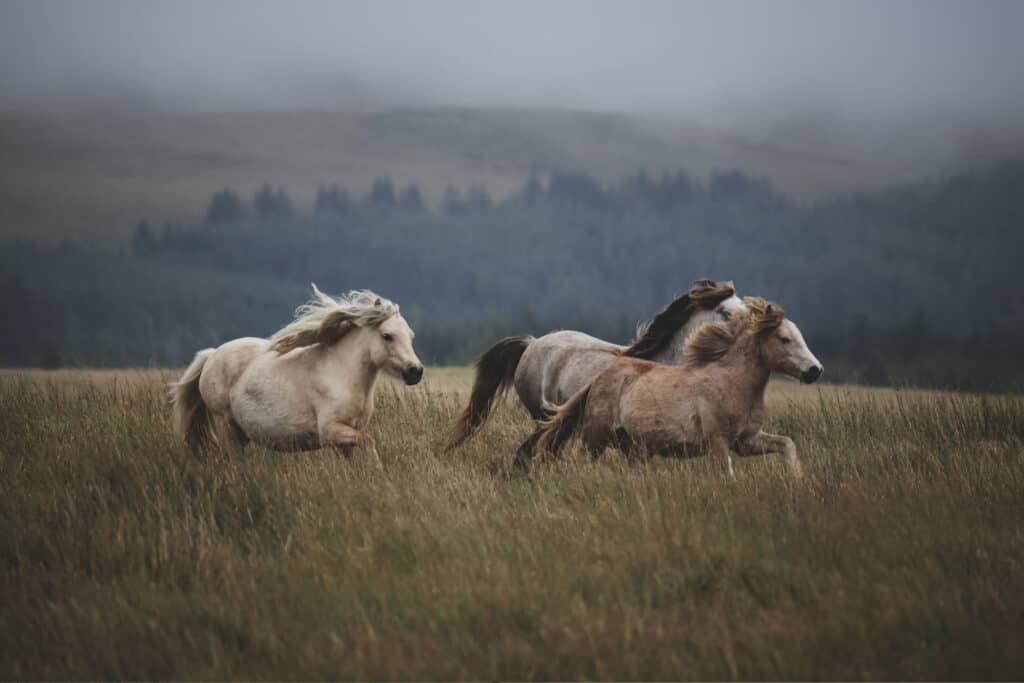
In editing, it’s easy to fall into the trap of global adjustments—brightening or darkening the entire image equally.
Instead, think selectively.
Your subject should be:
- The brightest
- The sharpest
- The most visually dominant
Guide the viewer’s eye. Don’t leave it wandering.
Watch Your Highlights and Shadows
Detail matters.
Blown-out highlights or crushed shadows can quickly take away from an otherwise strong image. Take the time to balance your exposure so that detail is preserved where it matters most.
Especially in wildlife photography, subtle texture in fur, feathers, and environments can make all the difference.
Subtle Edits Go a Long Way
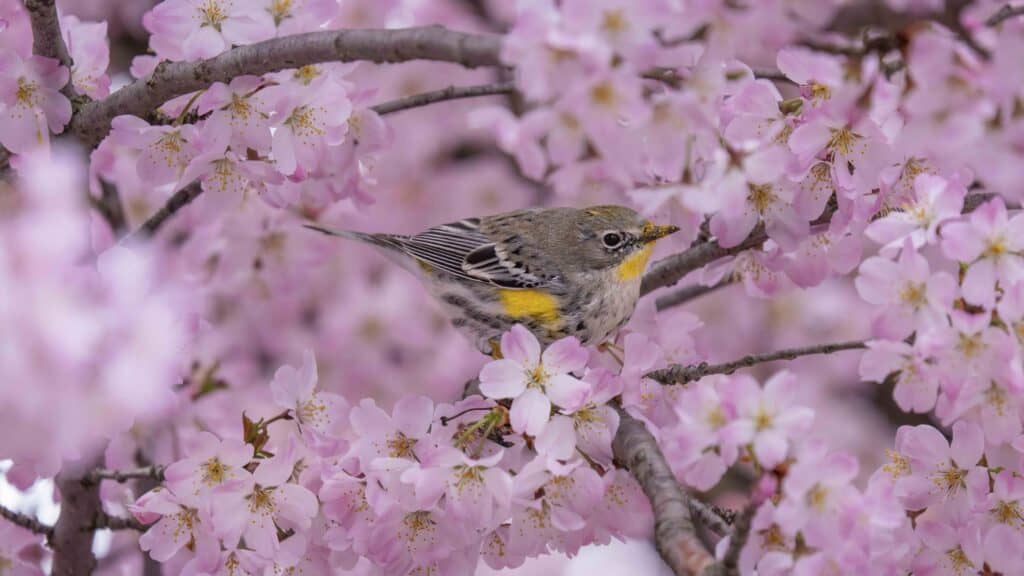
Sometimes the smallest adjustments create the biggest improvements.
A slight vignette, for example, can:
- Draw attention toward your subject
- Reduce edge distractions
- Add a polished, finished feel
The key is subtlety. If you can clearly see the edit, it’s probably too much.
Less Is More

For studio or controlled setups, it’s tempting to add props and elements to build a scene.
But often, simplicity wins.
Too many elements can dilute the impact of your subject. Strong images are usually built around one clear focal point—not multiple competing ones.
Be Your Own Toughest Critic
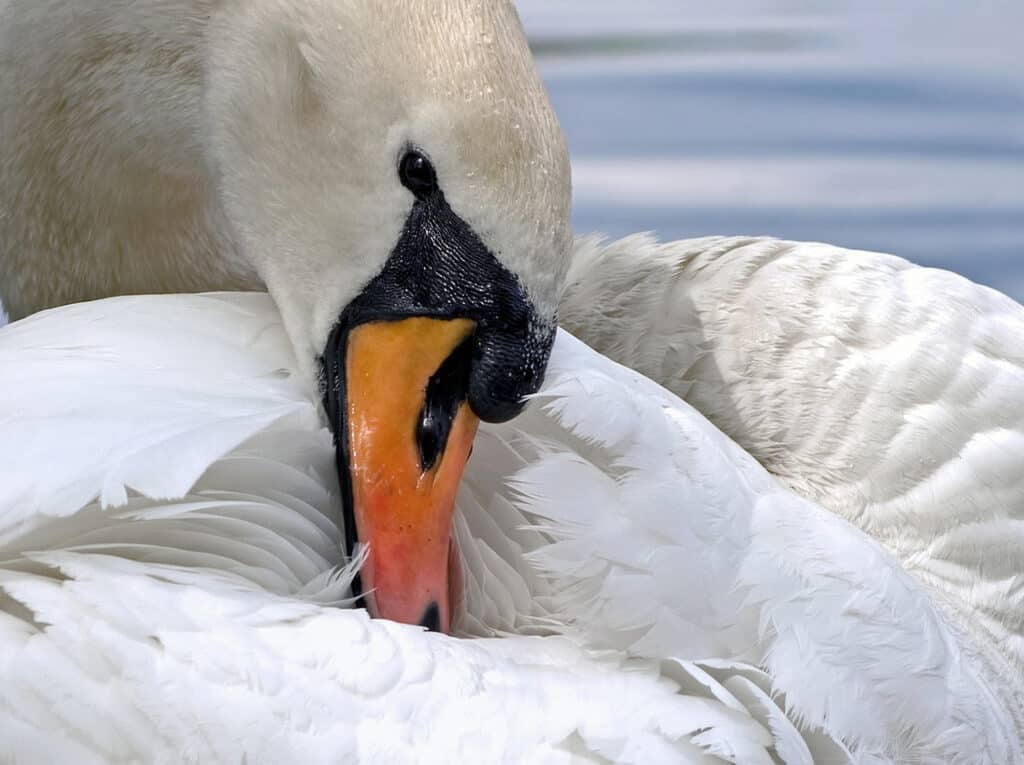
One of the hardest—and most important—skills to develop is self-critique.
After editing a photo, step away.
Come back later with fresh eyes.
Ask yourself:
- Would this stand out in a competition?
- Does it feel intentional?
- Is anything distracting?
The ability to evaluate your own work honestly is what drives long-term growth.
Where to Find Photography Contests
If you’re looking to challenge yourself, entering competitions is one of the best ways to improve.
Look for:
- Local and regional contests (like the ROM Wildlife Photo Contest)
- Community-driven photography events
- Competitions supported by retailers and brands like Henry’s
These contests not only push your creativity but also connect you with a broader photography community.
Celebrating This Year’s Winners
This year’s ROM Wildlife Photo Contest delivered incredible images across both adult and youth categories.
First Place (Adult)
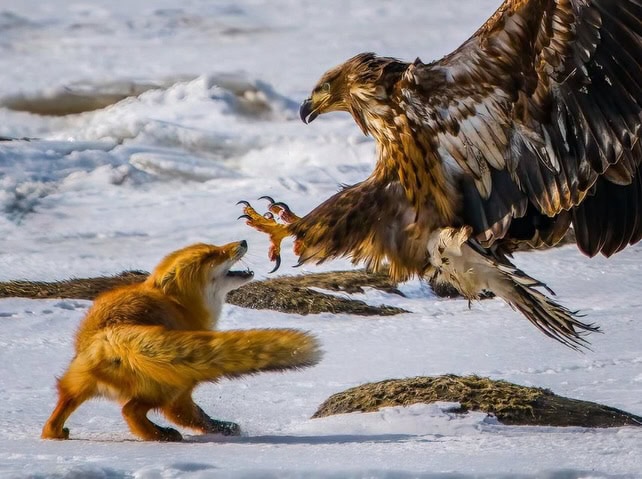
Red Fox Close Encounter with White-tailed Sea Eagle — Philip Wong
First Place (Youth)
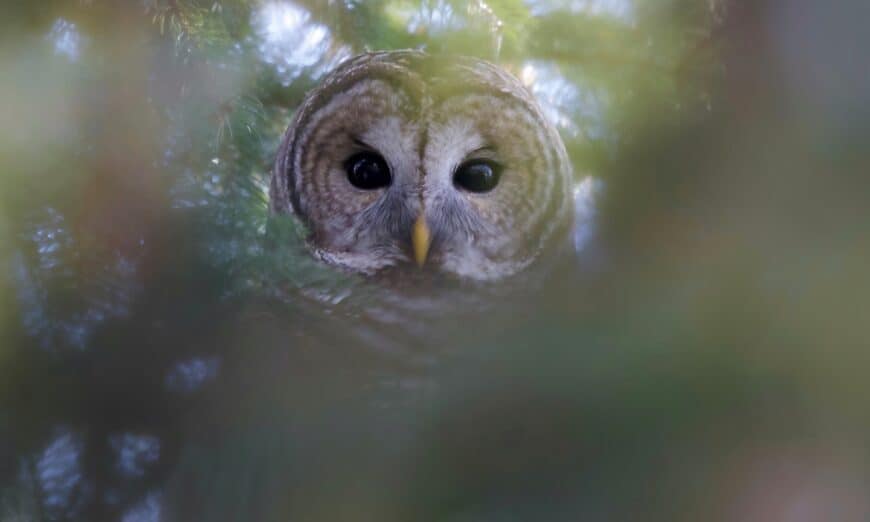
The Hidden Guardian — Martin Krajc (Age 14)
Honourable Mentions (Adult)
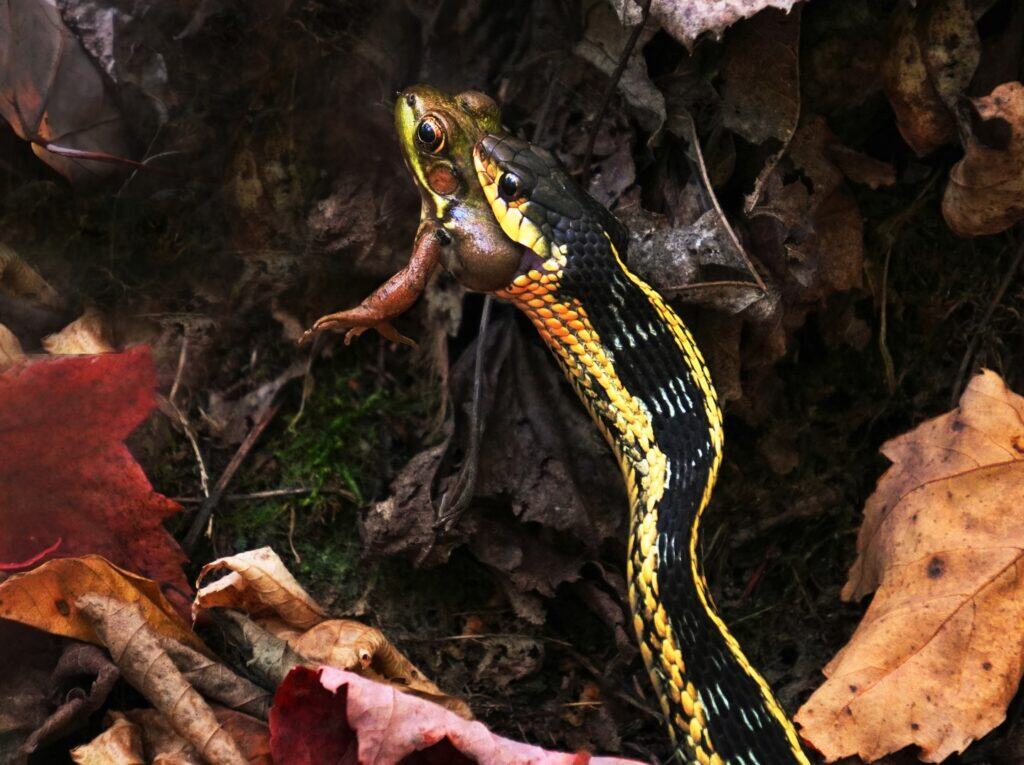
- Triple Catch — Yaron Eini
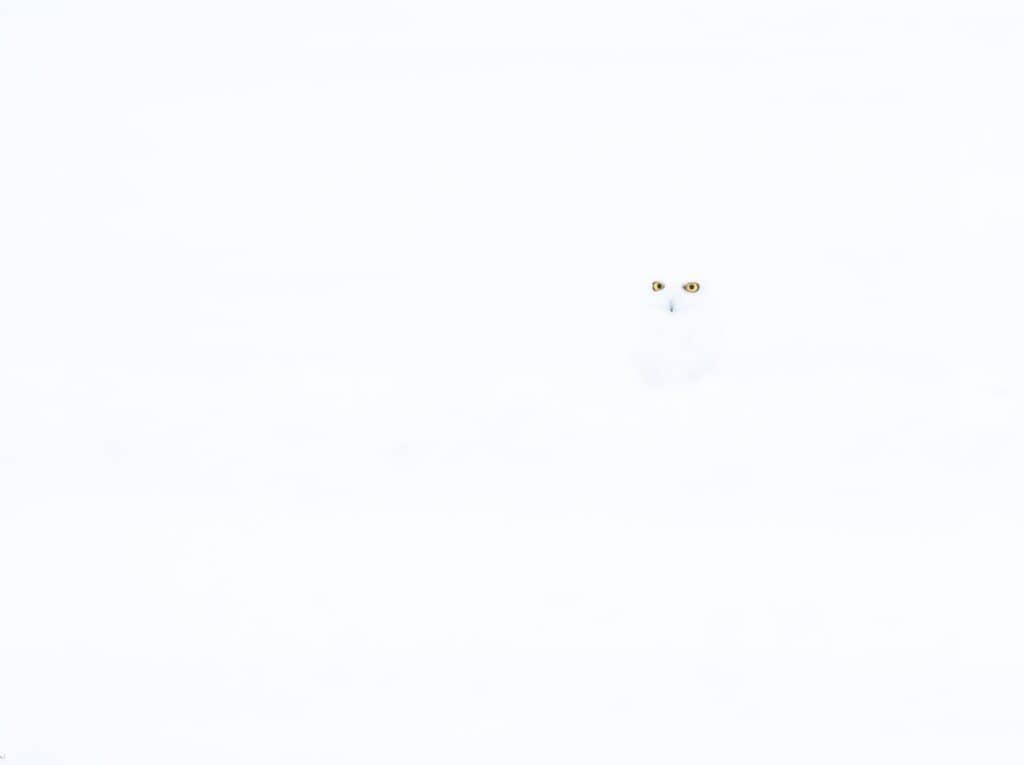
- Snow and Snowy — Utsa Rabbani
Honourable Mentions (Youth)
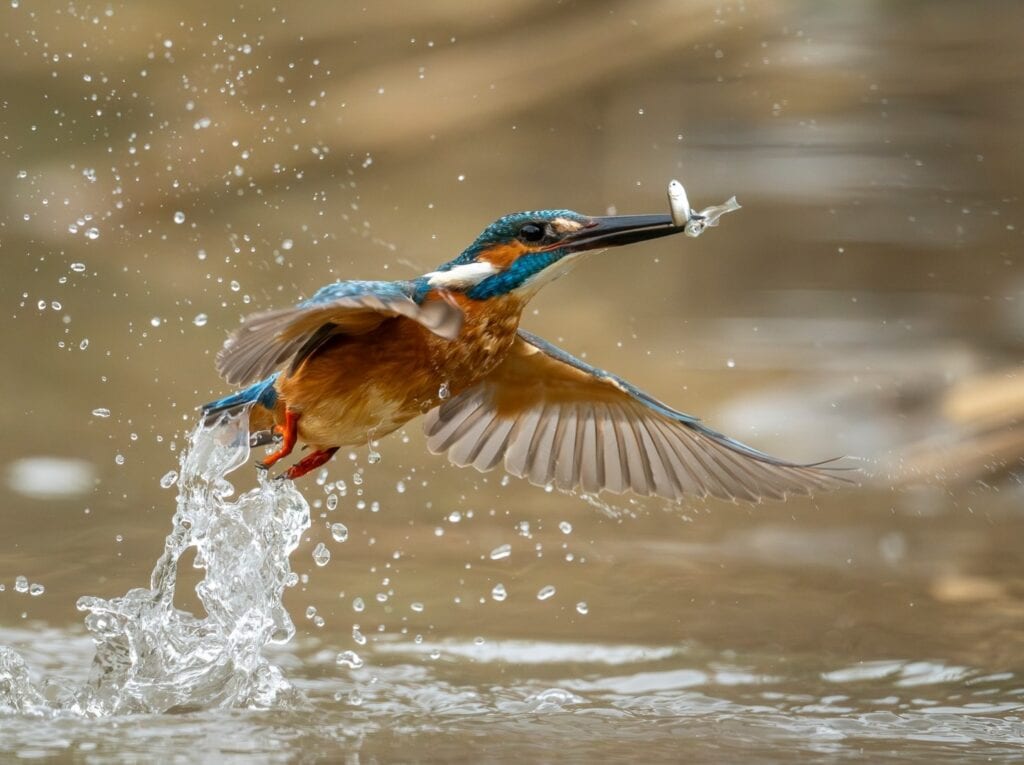
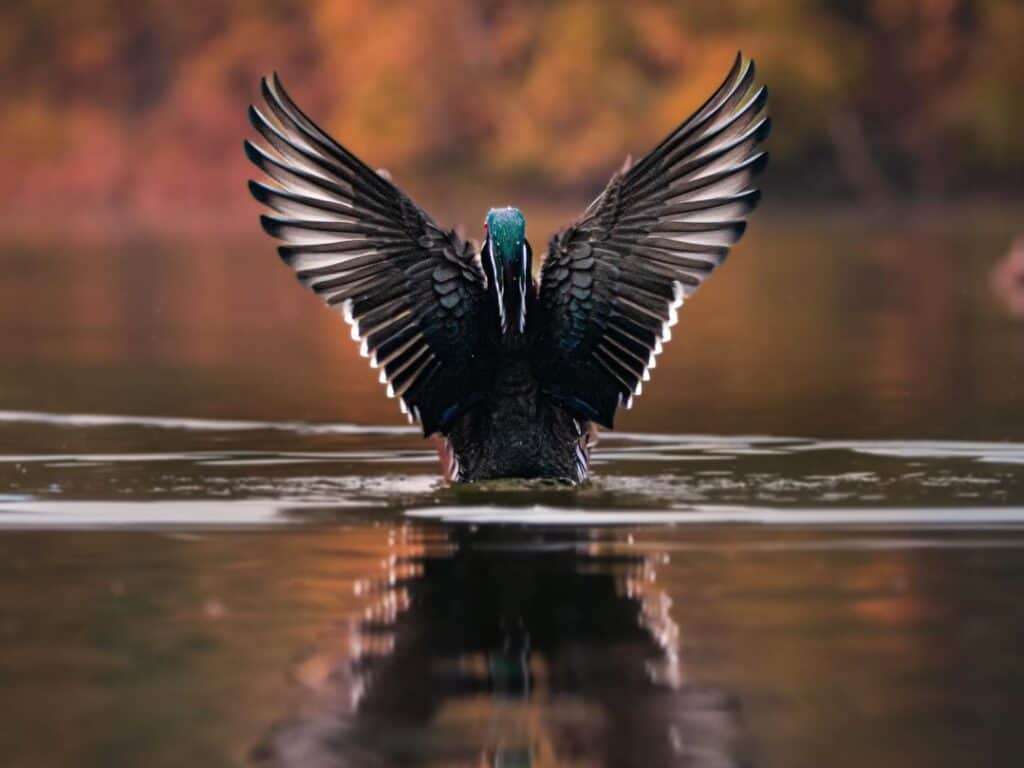
- Spreading Wings on Autumn Water — Madison Lawrence (Age 14)
- It’s Getting Cold — Ying Yu Tang (Age 17)
These images are a testament to patience, timing, and strong photographic fundamentals.
Keep Shooting
At the end of the day, contests are just one part of the journey.
The real goal is growth.
Better compositions. Better light. Better storytelling.
Whether you’re entering competitions or simply capturing moments for yourself, every time you pick up your camera is an opportunity to improve.
And as this year’s ROM contest proved — you never know when your next shot might be the one.
Explore more from Henry’s
- Henry’s Wildlife & Birding Blog Articles
- Mastering Macro Bird Photography: Capturing the Hidden Details of Nature
- Capture the Beauty of the 2025 Spring Bird Migration in Ontario
- Bird Photography: Essential Gear, Tips & Tricks for Every Photographer