There’s something addictive about astrophotography.
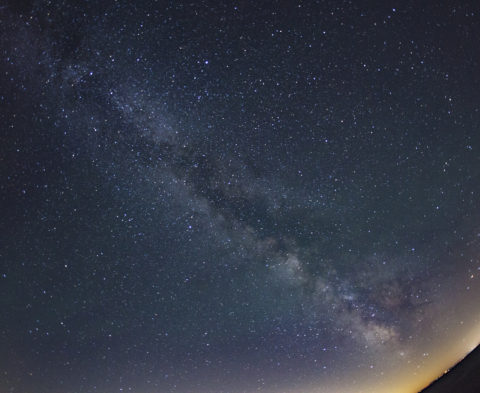
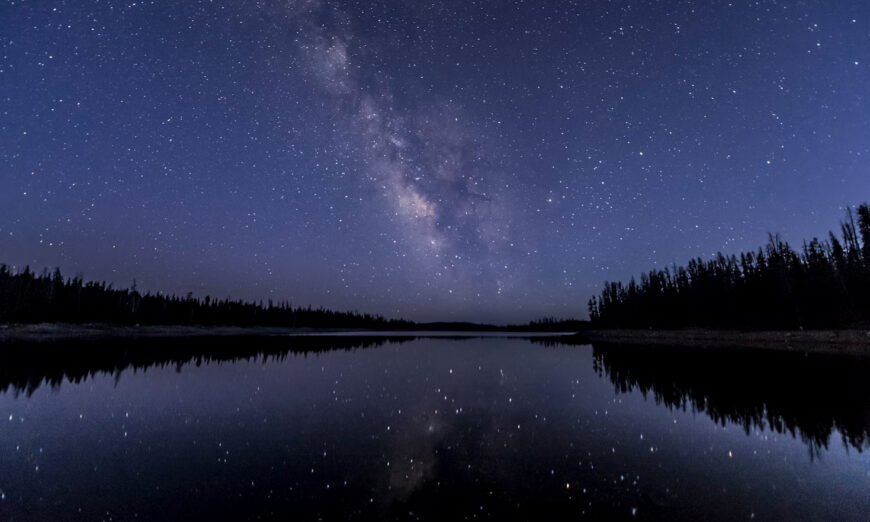
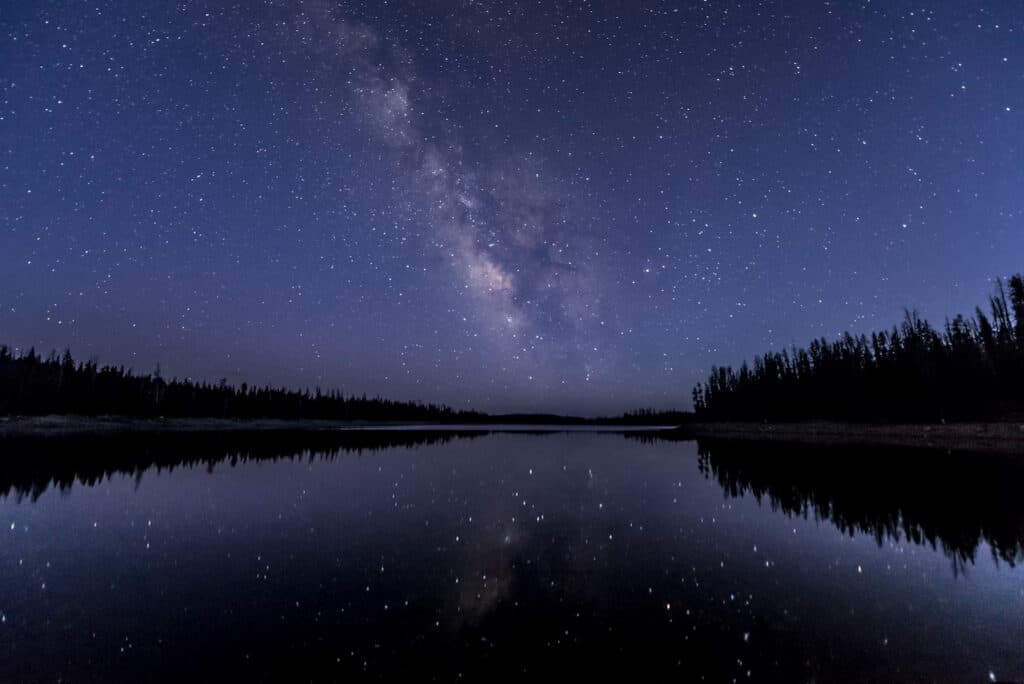
Maybe it’s the challenge of shooting in complete darkness. Maybe it’s finally capturing the Milky Way the way your eyes imagined it. Or maybe it’s the simple realization that above us, every single night, there’s an incredible show happening that most people never stop to look at.
For photographers in Ontario, 2026 is shaping up to be an incredible year for astrophotography.
From meteor showers and planetary alignments to ideal Milky Way conditions and rare celestial events, there are plenty of reasons to stay up late this year.
So if astrophotography has been on your list, now is the perfect time to start planning.
Why Astrophotography Continues to Grow in 2026
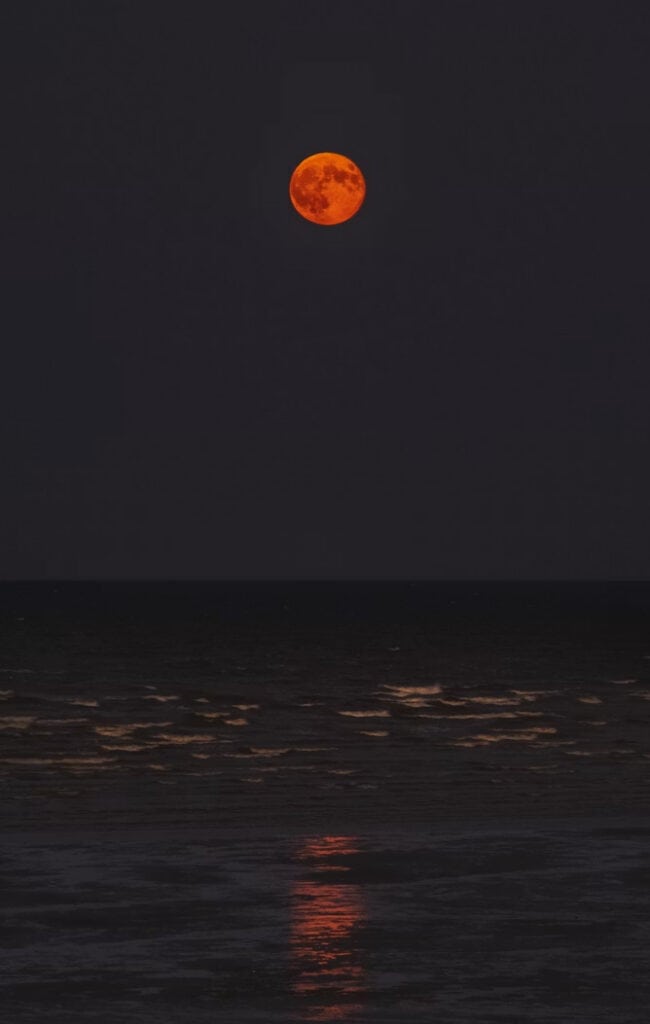
Astrophotography has become one of the fastest-growing genres in photography—and for good reason.
It combines:
- Landscape photography
- Technical camera skills
- Adventure and travel
- Long exposure creativity
- A connection to nature unlike any other style of photography
And unlike many genres, the subject is constantly changing.
Every month brings something new.
Major Astrophotography Events Coming in 2026 (Ontario Edition)
If you’re shooting from Ontario, here are some of the biggest events worth marking on your calendar.
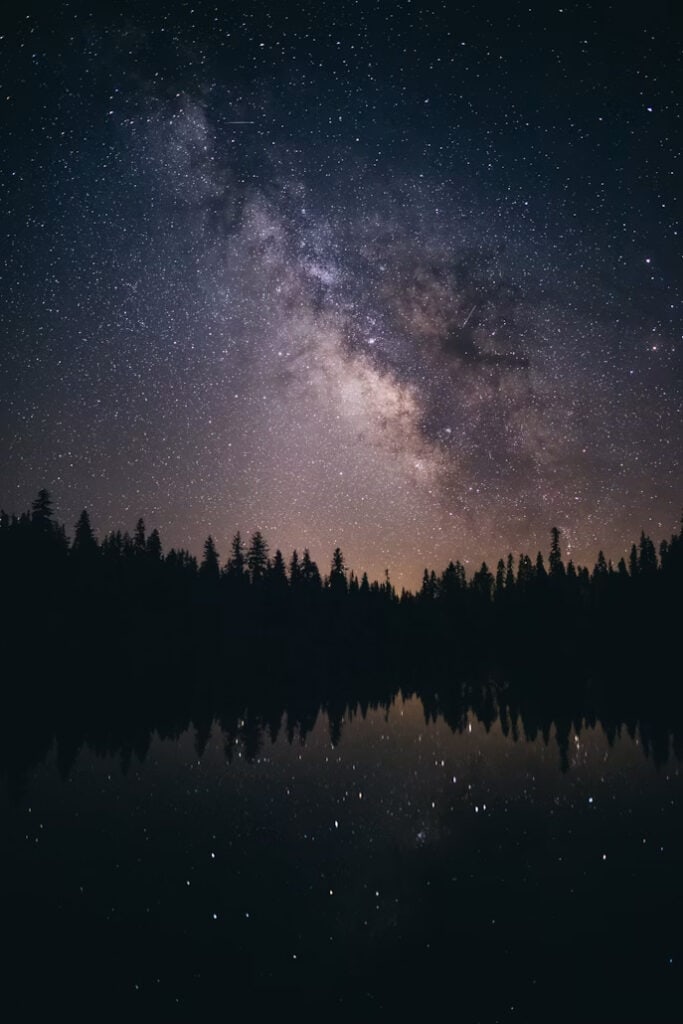
July 14 — Prime Milky Way Shooting Window
Mid-July offers one of the best dark sky windows of the summer, with a new moon creating ideal conditions for Milky Way photography. This is when the galactic core remains highly visible and skies are dark enough to reveal incredible detail.
Best Ontario locations:
Bruce Peninsula
Algonquin Park
Muskoka dark sky preserves (Torrence Barrens)
Killarney Provincial Park
July 30–31 — Delta Aquariid Meteor Shower
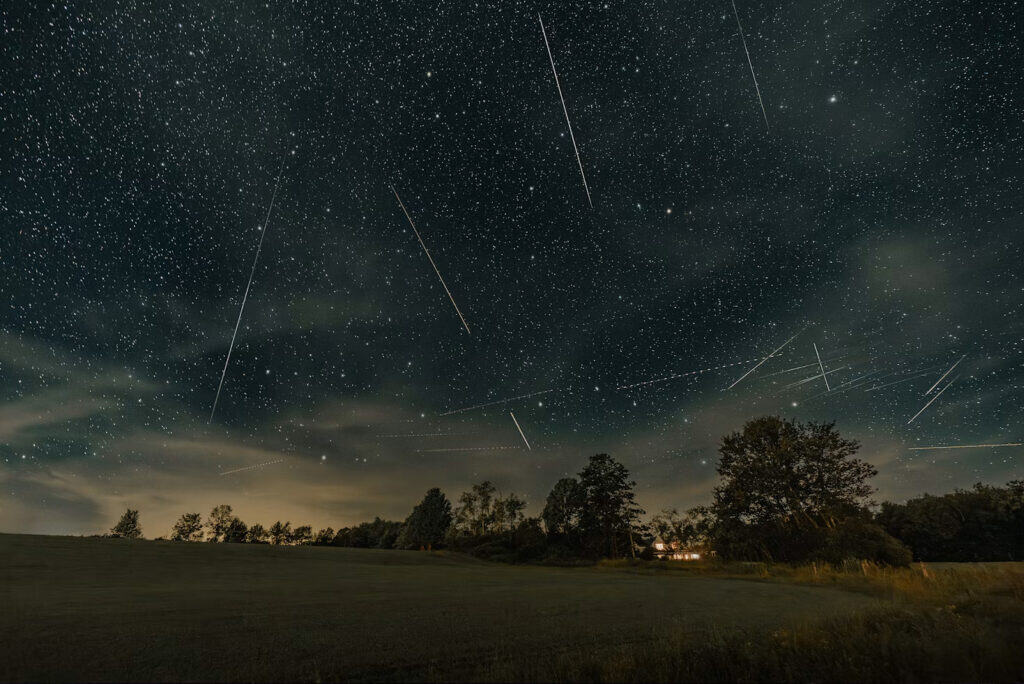
One of the summer’s first major meteor showers peaks at the end of July.
Under dark skies, photographers may capture up to 20 meteors per hour using wide-angle long exposures. This is a fantastic opportunity to combine landscape and astro photography.
August 12–13 — Perseid Meteor Shower Peak
This is the big one.
The Perseids remain one of the most popular meteor showers every year—and 2026 looks particularly promising because peak activity aligns closely with dark moon conditions, giving photographers ideal visibility.
Expected:
- Bright meteors
- Frequent activity
- Excellent all-night shooting conditions
If you only shoot one astro event in 2026… this might be it.
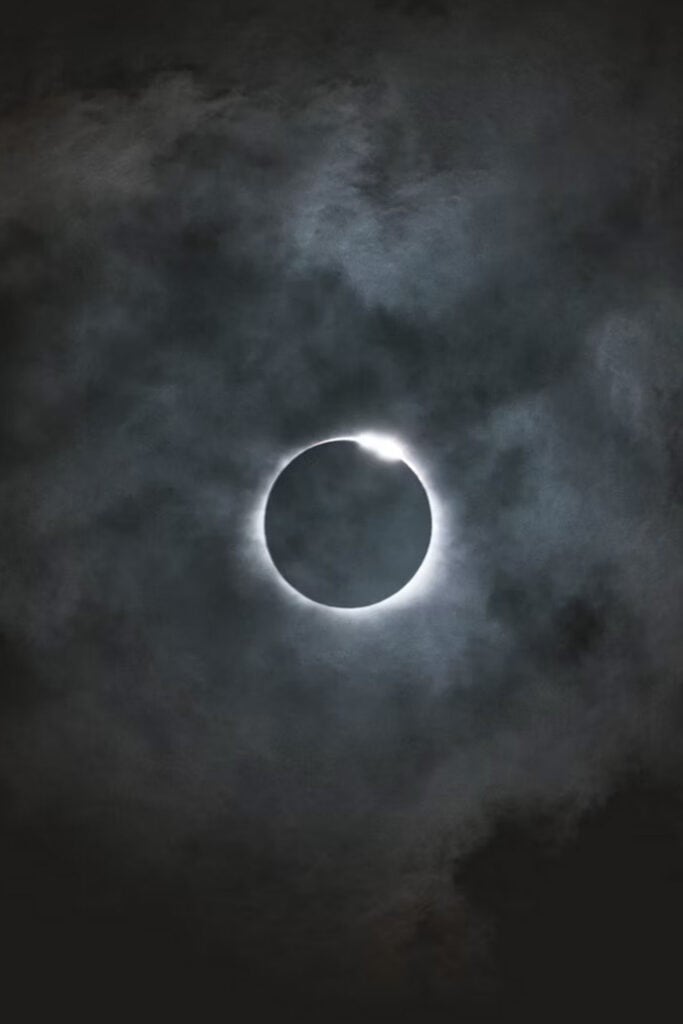
August 12 — Partial Solar Eclipse (Visible in Canada)
A partial solar eclipse will be visible in parts of Canada this summer, giving photographers an opportunity to capture a relatively rare event safely with the proper solar filters and long telephoto lenses.
Important:
Never photograph the sun without proper solar protection.
December 13–14 — Geminid Meteor Shower 🌠
If you can handle winter shooting, the Geminids often produce some of the highest meteor counts of the year.
What makes this one special:
- Bright multi-coloured meteors
- Often 50+ meteors per hour
- Crisp winter skies can improve clarity dramatically
Cold fingers. Incredible images.
Worth it.
Gear That Makes Astrophotography Easier
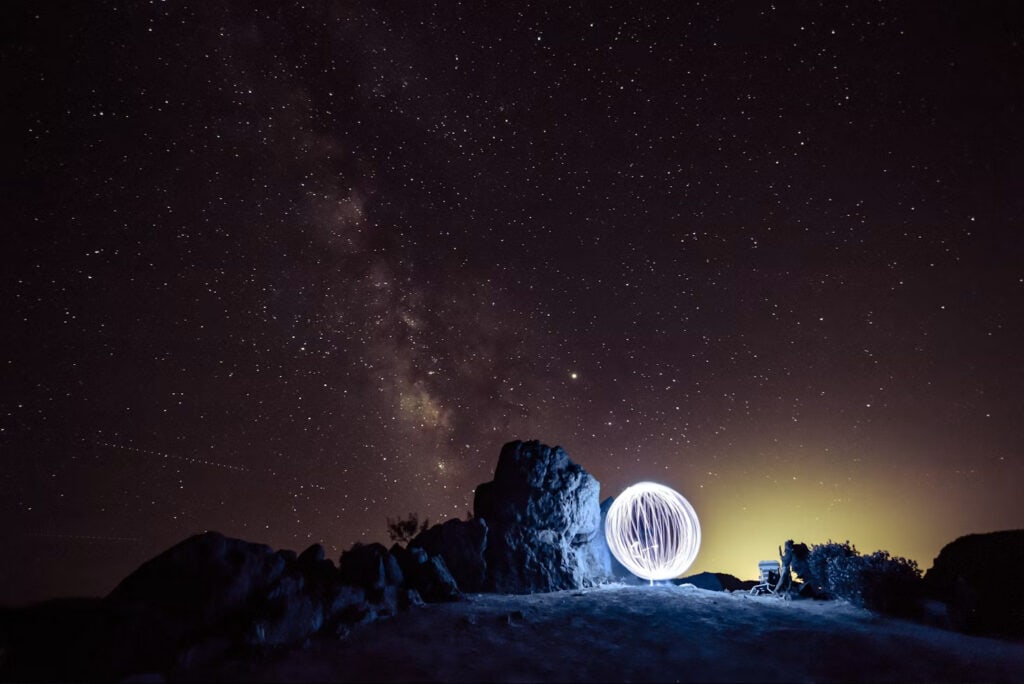
Astrophotography doesn’t always require expensive gear—but the right setup helps tremendously.
Fast Wide Angle Lenses
The golden rule:
The wider and faster, the better.
Popular choices include:
Sony
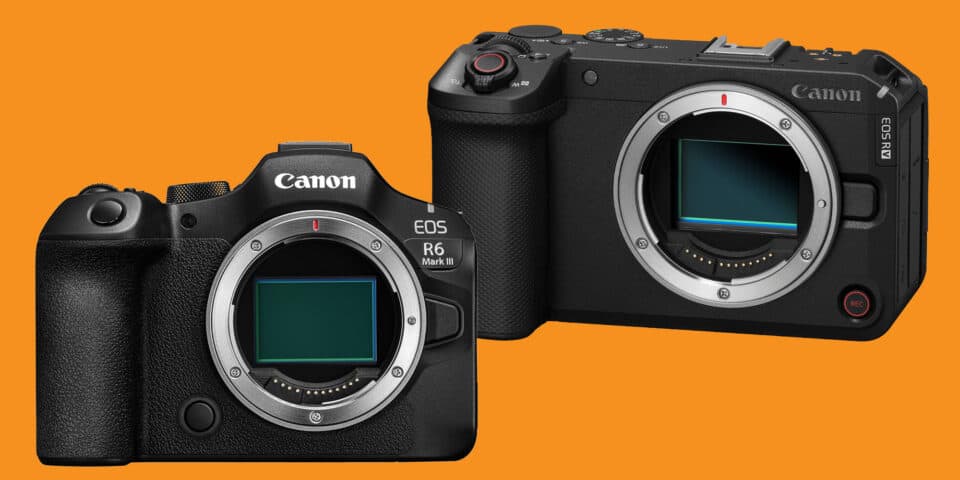
Canon
Nikon
Wide apertures let you gather more light while keeping ISO levels manageable.
Stable Tripods Matter More Than You Think
Long exposures mean even tiny movement ruins shots.
Look for:
- Carbon fibre tripods
- Lightweight travel setups
- Solid locking mechanisms
A tripod is non-negotiable.
Extra Batteries (Bring More Than You Think)
Cold nights drain batteries quickly.
Always carry extras.
Long exposure sessions, interval shooting, and winter temperatures can empty batteries far faster than normal daytime photography.
Remote Shutter or Intervalometer
Reducing camera shake matters.
Remote triggers help:
- Avoid touching the camera
- Program star trails
- Shoot time lapses
- Capture meteor showers automatically
Small accessory. Huge difference.
Pro Tip: If you have a newer camera, check the app for your phone. You may be able to remotely control your camera.
Astrophotography Is About Patience
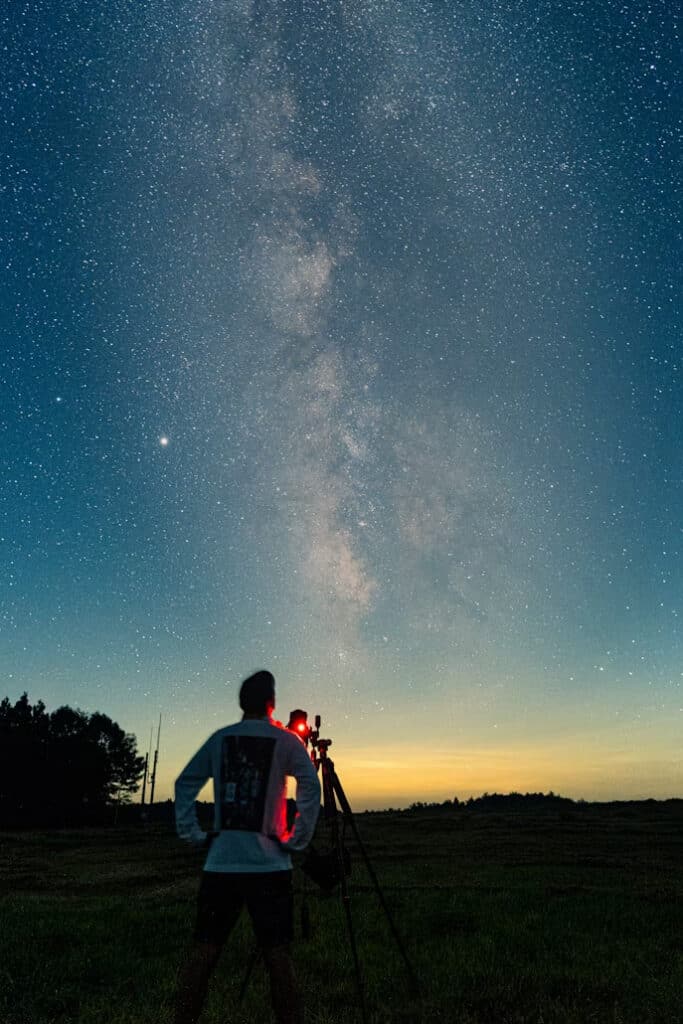
Astrophotography teaches something many photographers struggle with:
Patience.
You plan carefully.
Watch weather conditions.
Scout locations.
Wait for darkness.
Experiment constantly.
And sometimes… everything comes together.
The Milky Way rises perfectly.
A meteor crosses the frame.
The stars look sharper than you imagined.
That’s the magic.
2026 Is the Year to Start
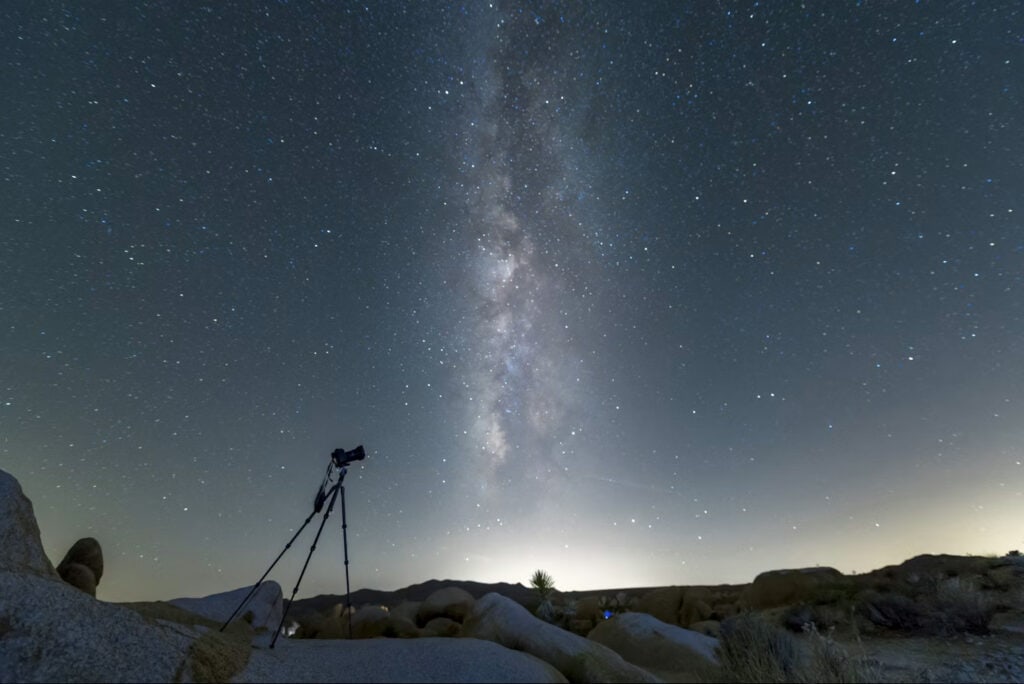
The night sky is giving photographers plenty to look forward to this year.
And the best part?
You don’t need to travel halfway around the world.
Some of the best astrophotography opportunities are happening right here in Ontario.
So grab a tripod.
Check the moon phase.
Find dark skies.
And start looking up.
Discover More About Astrophotography:
- Astrophotography in Canada: Top August Events and Gear Guide for Stunning Night Sky Images
- Capture the Cosmos: Upcoming Astrophotography Events & Expert Guide
- What’s In My Bag: An Avid Astrophotographer’s Kit For Capturing The Night Sky
- Exploring the Cosmos: A Guide to Astrophotography
- Getting Started With Astrophotography

Canada’s Greatest Camera Store
Henry’s has long been known in the Canadian photographic industry as the source for the best and newest products, informed Imaging Experts, award-winning customer service and competitive pricing. Henry’s, competitive pricing since 1909 and has evolved into Canada’s largest independent photographic and digital retailer.