Street photography is one of the most accessible, challenging, and rewarding styles of photography you can explore. You don’t need a studio. You don’t need elaborate setups. You just need curiosity, timing, and a camera you trust.
The beauty of street photography is that it captures life exactly as it happens. Fleeting expressions, dramatic light, interesting people, architecture, weather, movement—it’s all unfolding around you in real time.
And for many photographers, this is where the obsession begins.
That’s what the Start Here series is all about. Henry’s isn’t just where photographers shop—it’s where photographers start. Whether you’re picking up your first camera or refining your style, street photography is one of the best ways to sharpen your creative eye and develop your skills quickly.
So where do you begin? For the best Street Photography Gear, visit our website.
What Makes Street Photography So Addictive?
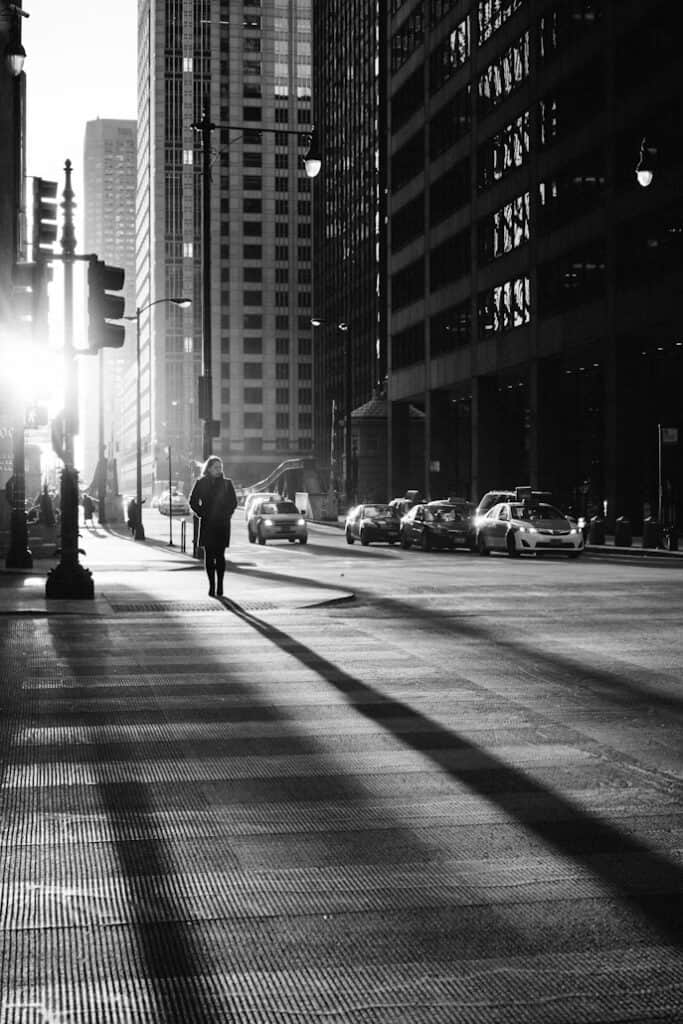
Street photography teaches you to see differently.
You start noticing:
- Reflections in windows
- Light cutting through buildings
- Small gestures and expressions
- Contrast, symmetry, and chaos
- Tiny moments most people walk past
The best street photographers aren’t always chasing “big” moments. They’re finding meaning in ordinary scenes.
And in 2026, the genre is evolving faster than ever.
Street Photography Trends for 2026
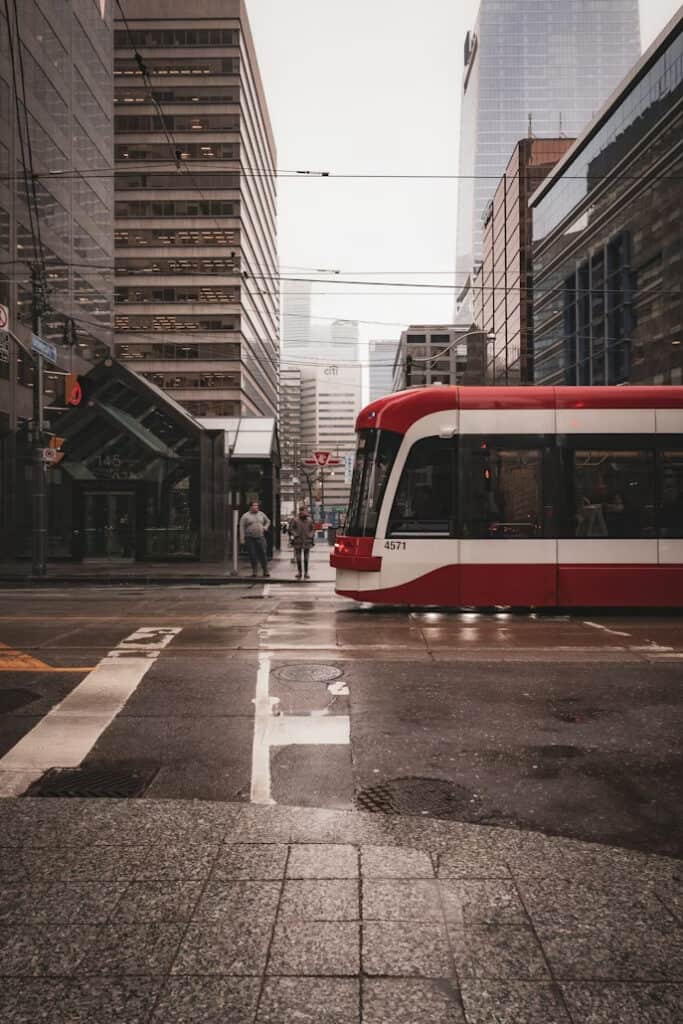
Street photography continues to shift toward more cinematic, intentional storytelling. Here are some of the biggest trends photographers are embracing right now:
Cinematic Colour Grading
Tight Crops & Compression
Motion & Imperfection
Vertical Street Photography
Cinematic Colour Grading
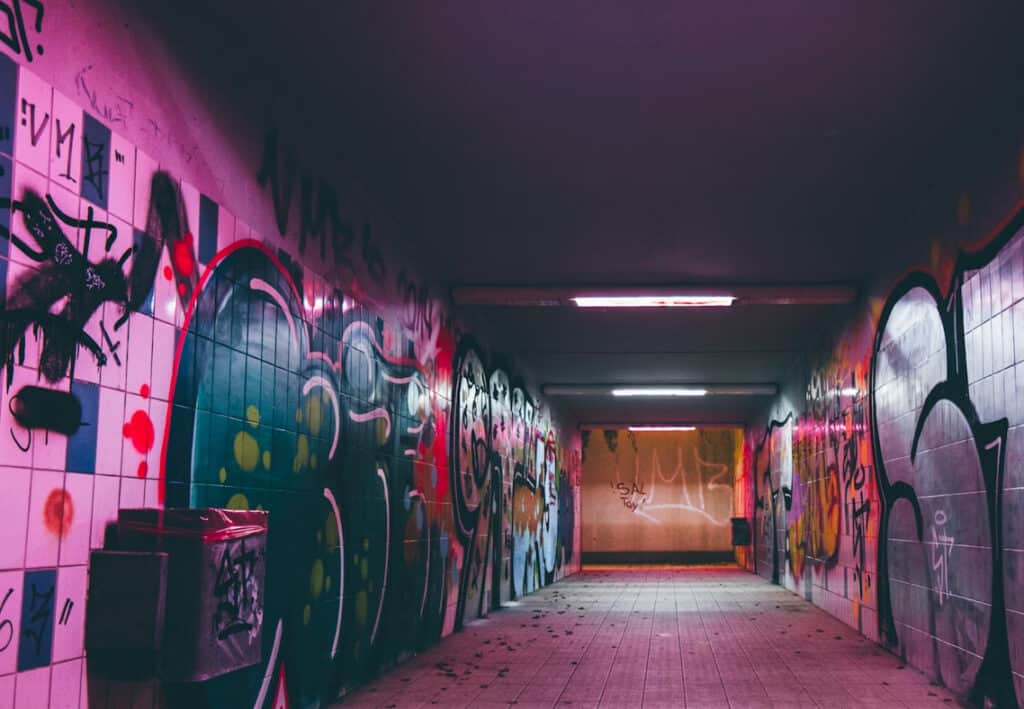
Modern street photography is leaning heavily into mood and atmosphere. Deep shadows, warm highlights, cooler tones, and film-inspired edits are becoming increasingly popular.
Many photographers are editing with:
- Slightly underexposed scenes
- Strong contrast
- Controlled highlights
- Film simulation looks
The goal isn’t realism—it’s emotion.
Tight Crops & Compression
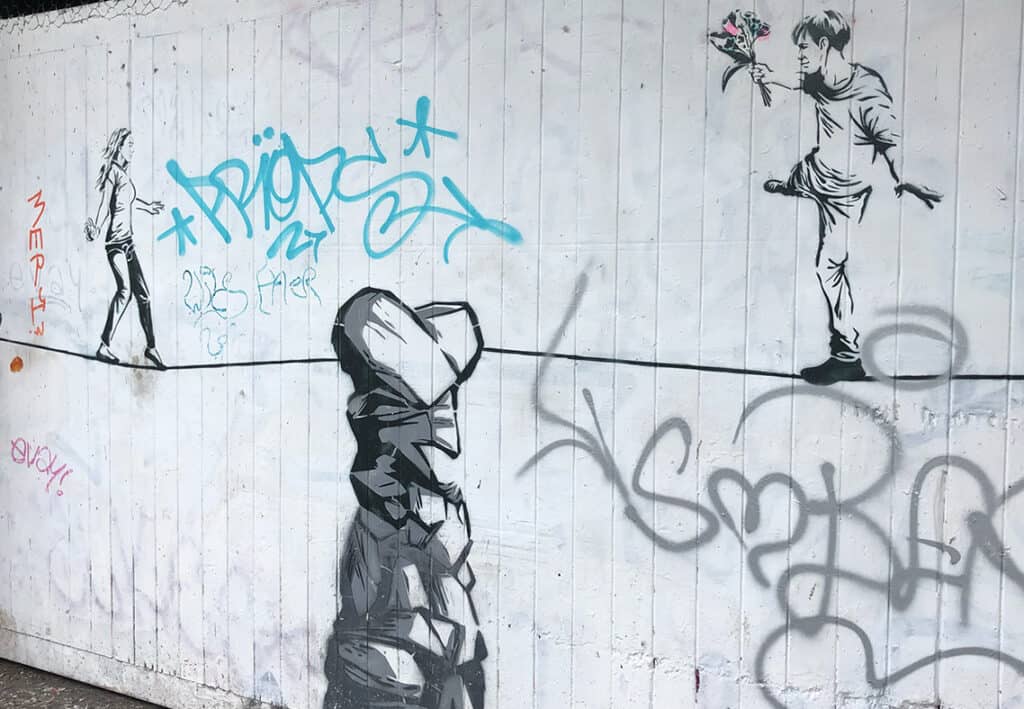
Instead of wide environmental shots, many photographers are moving toward tighter framing that isolates subjects and removes distractions.
This creates:
- More emotional impact
- Cleaner compositions
- Stronger storytelling
Not every street photo needs to show the entire street.
Motion & Imperfection
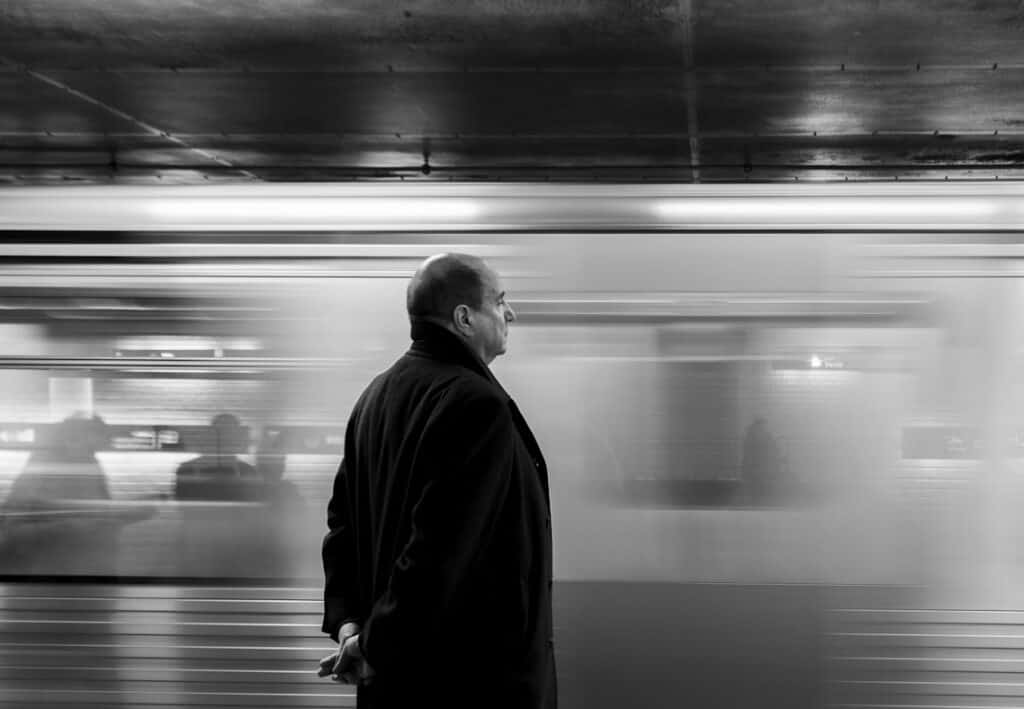
Sharpness isn’t everything anymore.
Intentional blur, motion, grain, and imperfect framing are becoming part of the aesthetic. These elements help photos feel more alive and immersive.
Sometimes the feeling matters more than technical perfection.
Vertical Street Photography
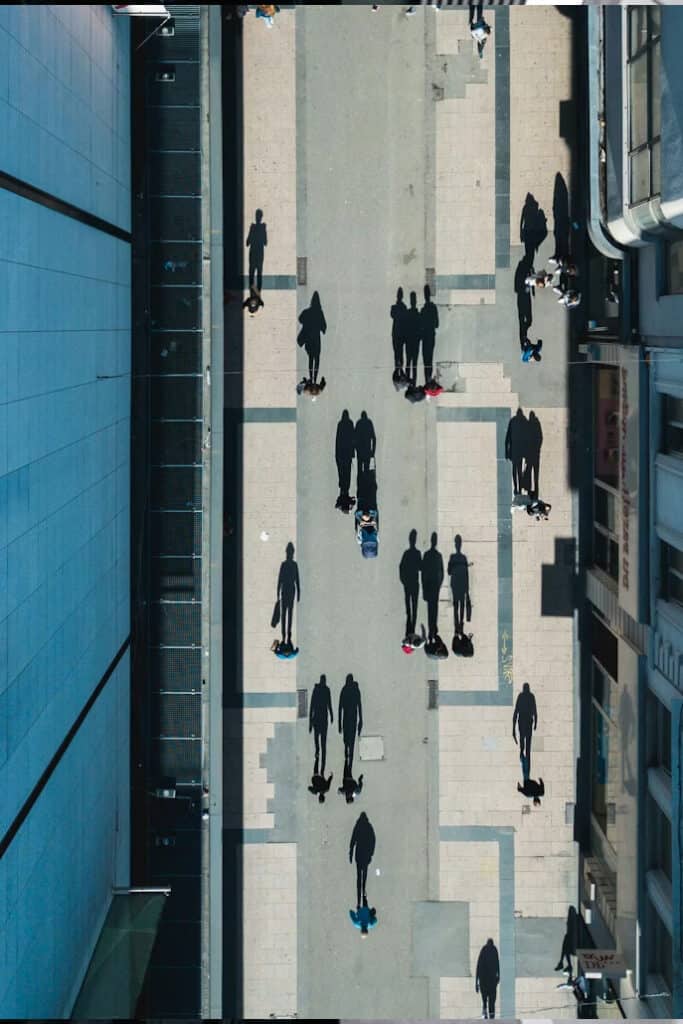
Thanks to social media and mobile viewing, vertical street photography has exploded in popularity.
Photographers are increasingly composing for:
- Instagram Reels covers
- Stories
- TikTok
- Vertical galleries
Modern cameras make this workflow easier than ever.
Tips for Better Street Photography
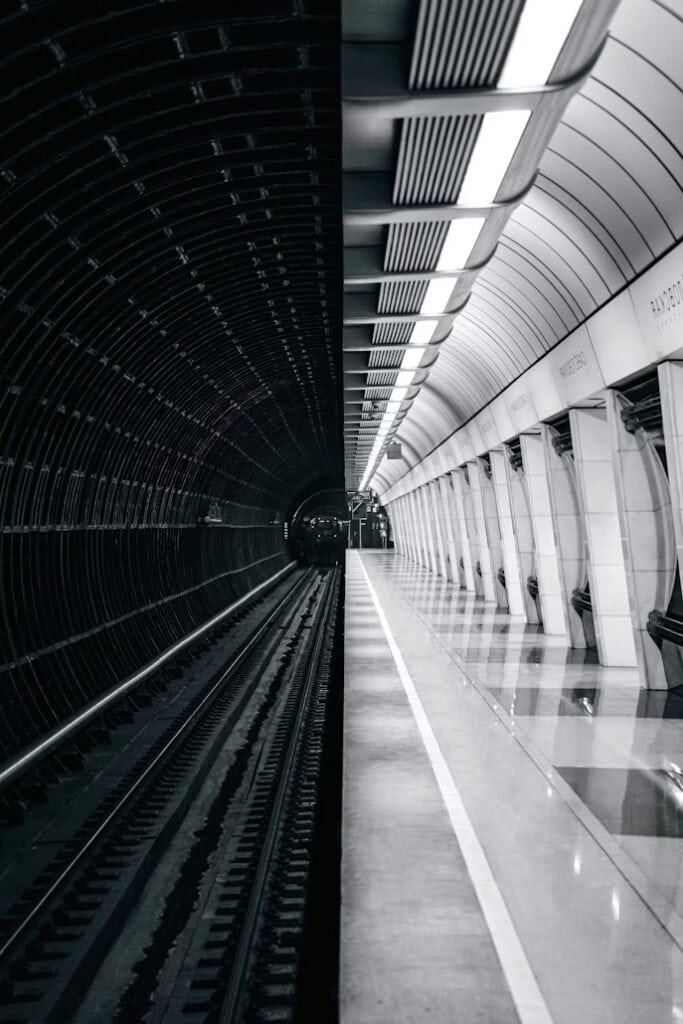
Light Matters More Than Location
An ordinary street with incredible light will always outperform an iconic location with bad lighting.
Pay attention to:
- Hard shadows
- Reflections
- Golden hour
- Rainy weather
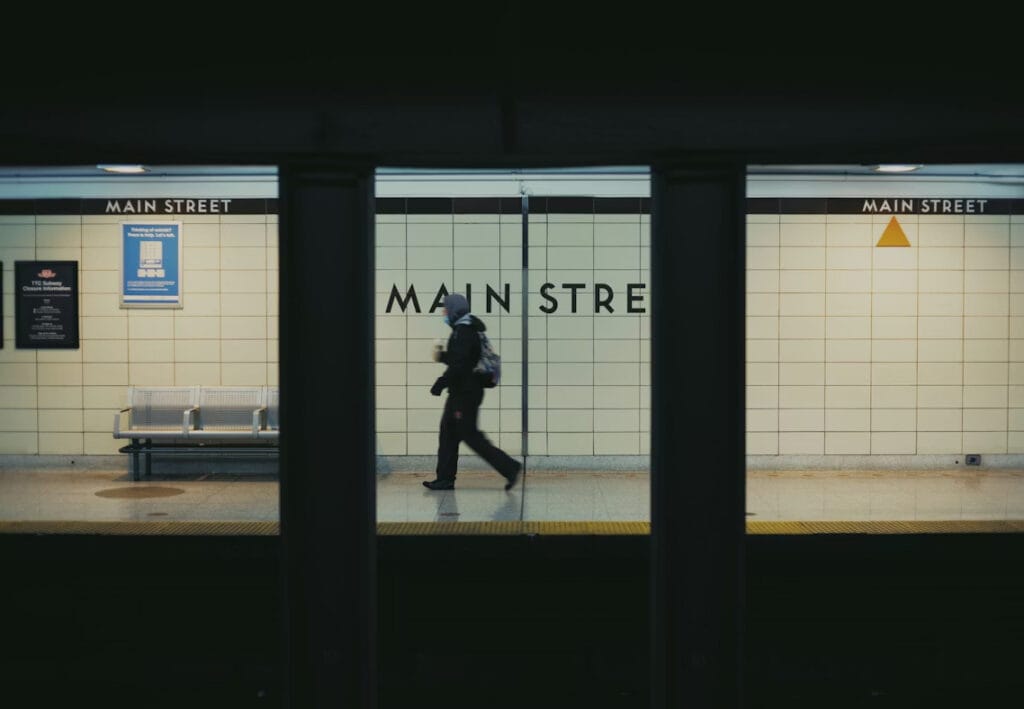
- Neon and night lighting
Street photography is really the art of photographing light.
Tip 1: Simplify Your Frame
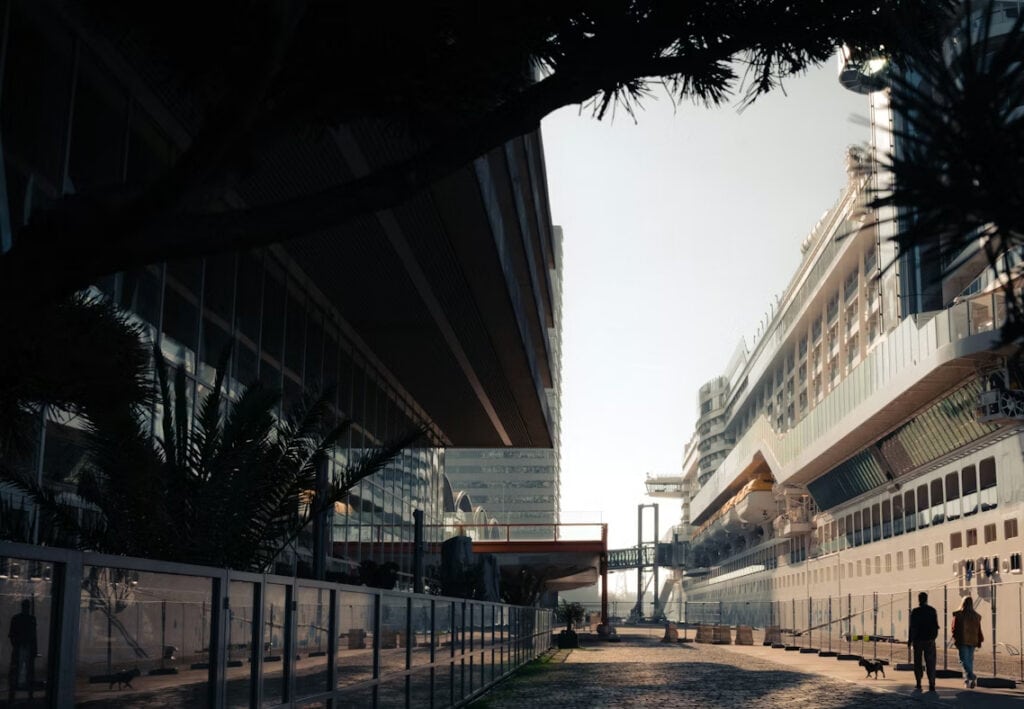
One of the biggest beginner mistakes is including too much.
Try asking:
- What is the subject?
- What’s distracting?
- Does the background help the story?
Less clutter usually creates stronger images.
Tip 2: Stay Mobile
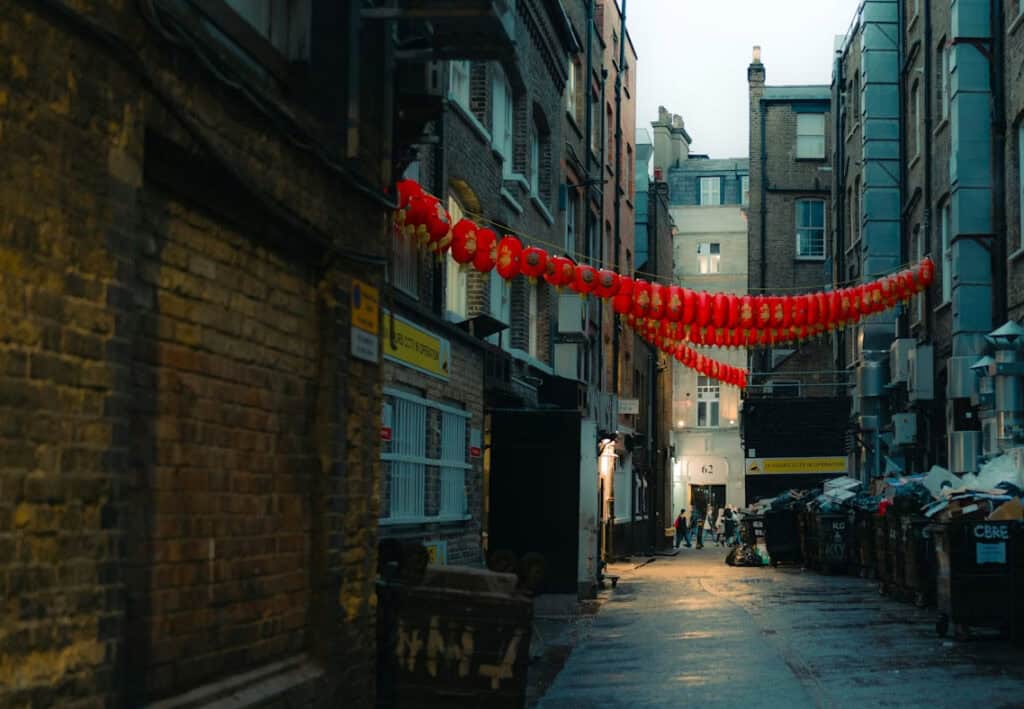
Street photography works best when you move constantly.
Walk more. Explore side streets. Change angles. Observe before shooting.
Some of the best moments happen between destinations.
Tip 3: Learn to Anticipate
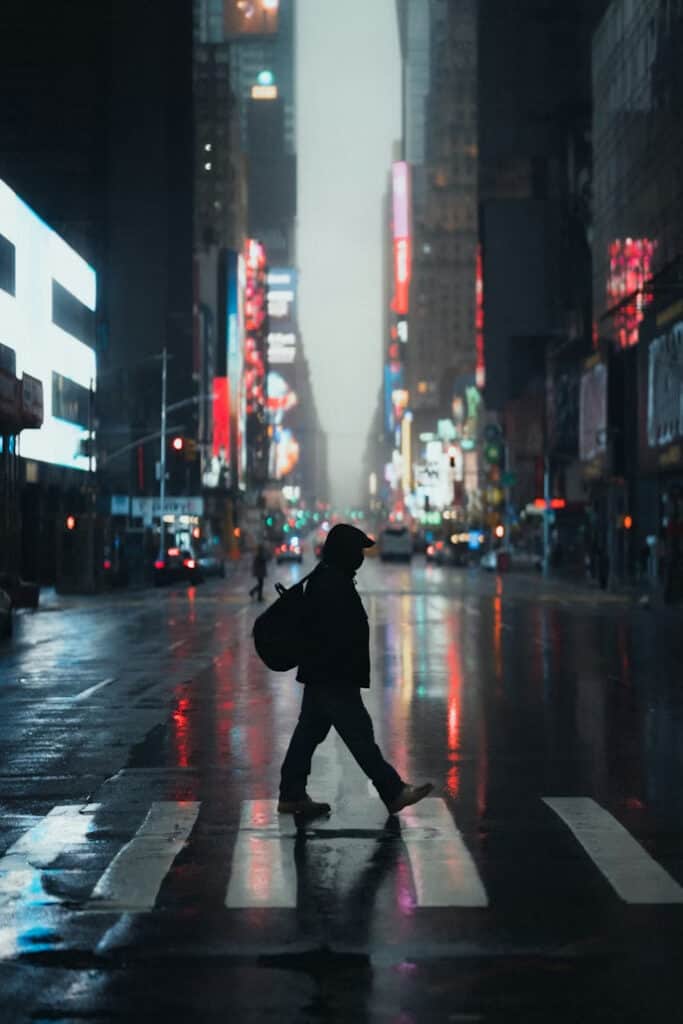
The best street photographers don’t react—they predict.
Watch how people move through a scene. Wait for someone to enter the light or frame perfectly.
Patience often beats speed.
Tip 4: Shoot Often
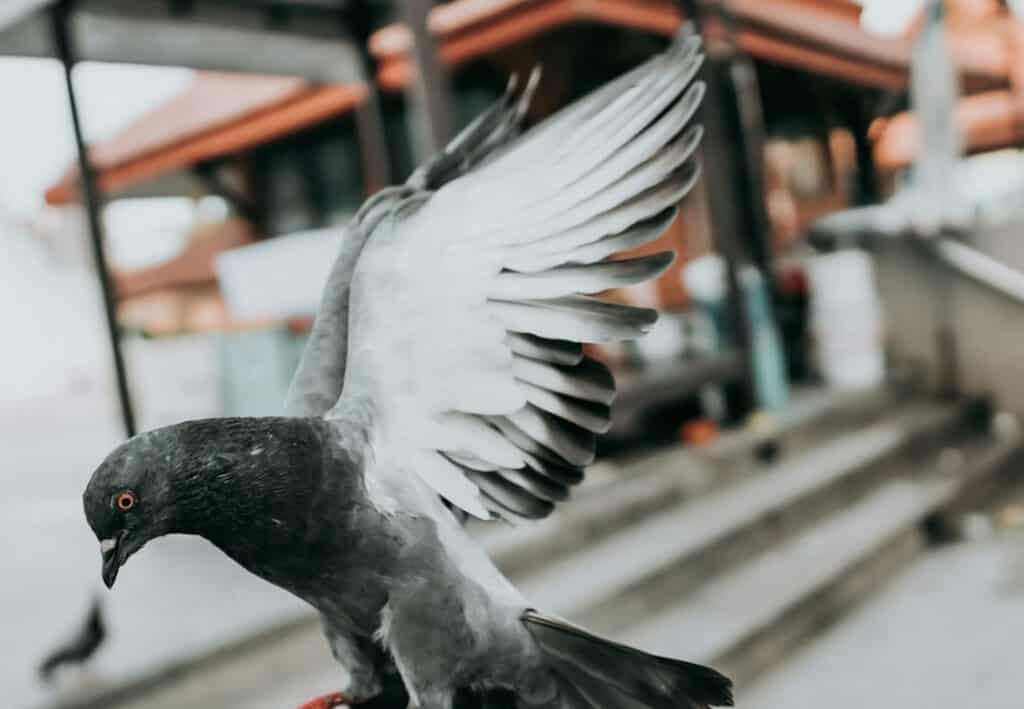
Street photography is a numbers game mixed with instinct.
The more you shoot:
- The faster you react
- The more confident you become
- The more naturally you compose
Consistency matters more than perfection.
The Gear Most Street Photographers Love
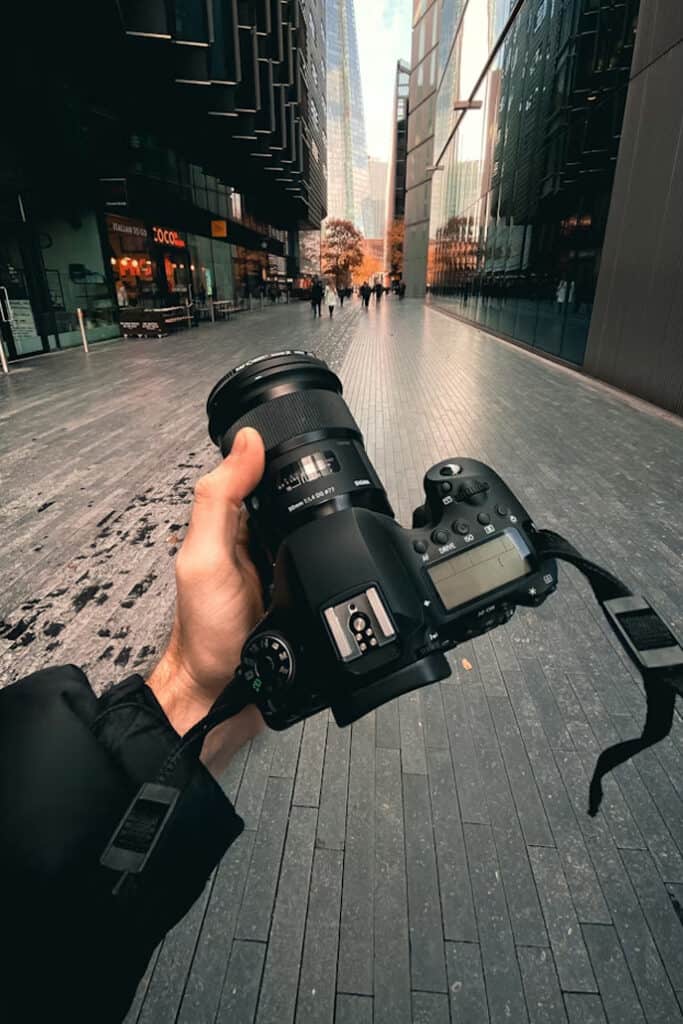
Street photography gear has trended smaller, lighter, and faster in recent years. Most professionals prioritize portability and discretion over size.
Compact Mirrorless Cameras
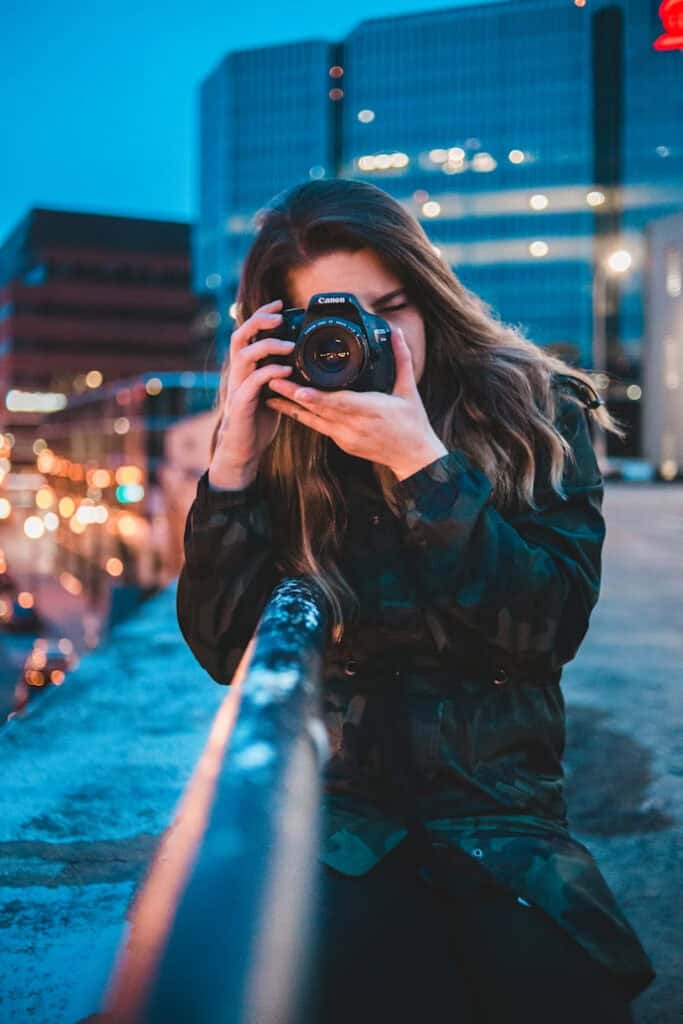
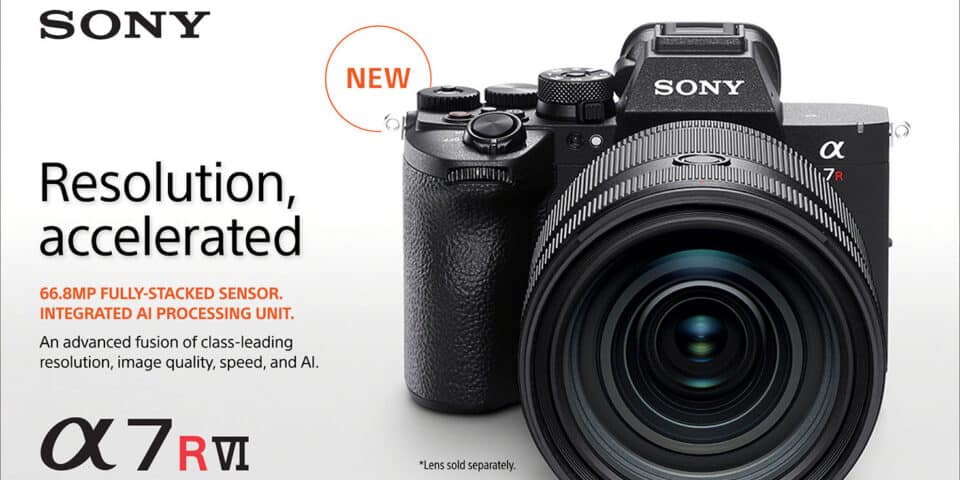
Popular choices include:
Photographers love cameras that:
Are comfortable to carry all day
Don’t attract attention
Perform well in low light
Have fast autofocus
Prime Lenses Dominate Street Photography
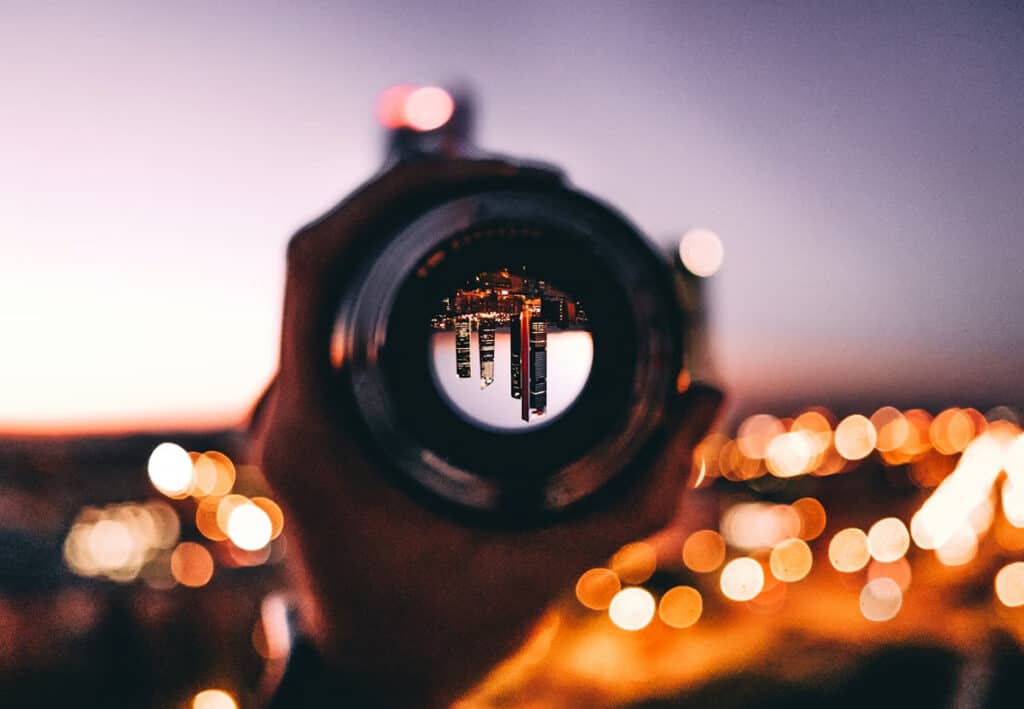
Most street photographers prefer compact prime lenses because they encourage intentional composition and keep setups lightweight.
The most common focal lengths:
- 35mm → documentary & storytelling
- 50mm → natural perspective
- 24mm → immersive scenes
- 85mm → compression & candid distance
Popular professional lenses include:
Accessories That Actually Help
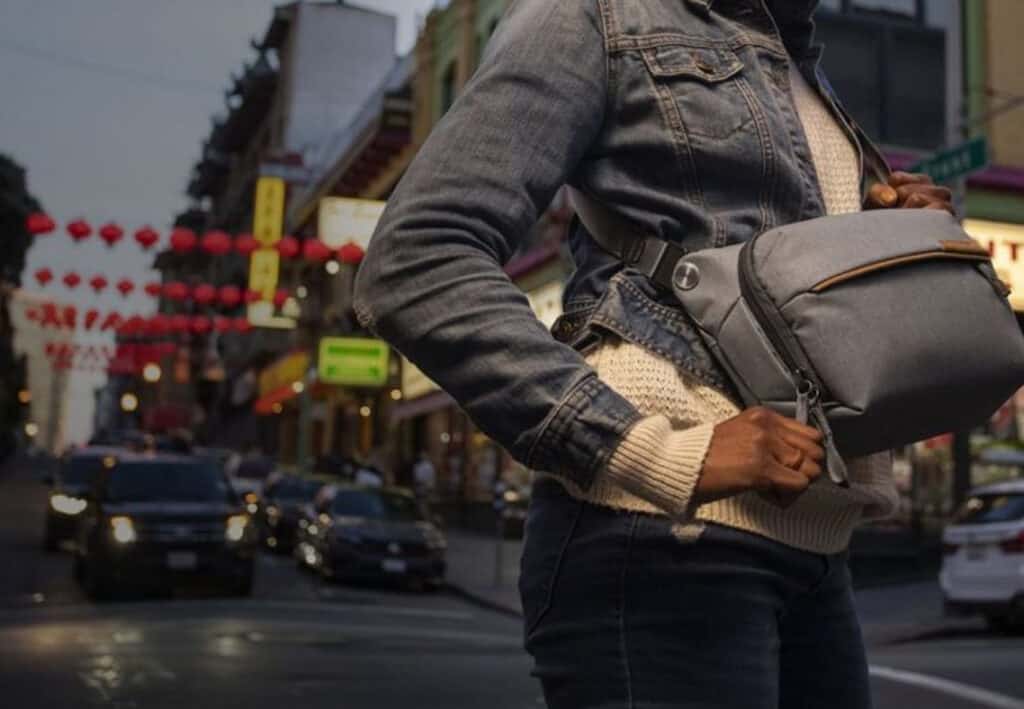
Street photographers often keep their setups simple, but a few accessories make a difference:
The goal is mobility—not carrying your entire closet of gear.
Street Photography: Start Here
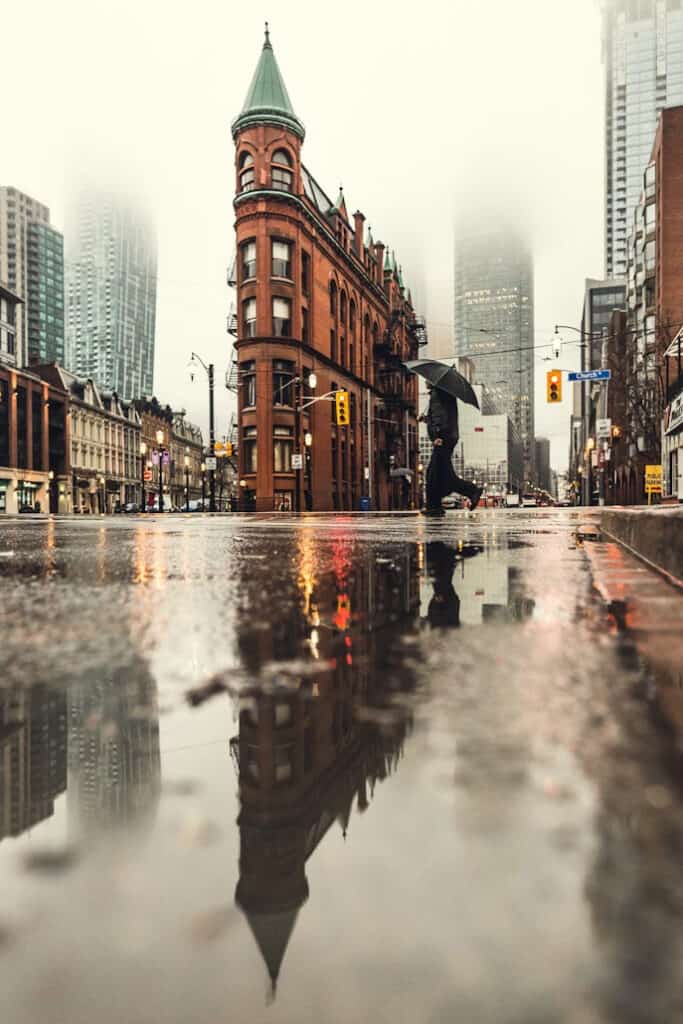
Street photography is one of the best ways to grow as a photographer because it teaches observation, timing, composition, and storytelling all at once.
You don’t need to travel far.
You don’t need expensive setups.
You just need to start noticing the world around you.
And when you’re ready to build your kit, try new gear, or find the tools that match your style, Henry’s is here to help you start.
Because every great photographer starts somewhere.
Explore More Street Photography with Henry’s
- What’s In My Bag: A Compact Sony Alpha 7CR Kit For Street & Travel Photography
- Expert Advice on Street Photography. Wide Angle Lenses, Image Stabilization, or F-Stop – What Matters Most?
- Blur Effects For Leading Lines – See How This Photographer Creates Dynamic Urban Photography
- Urban Landscape Photography: See How These Photographers Create Visual Connections To Cities And Towns
- How to find the right camera for great street shooting