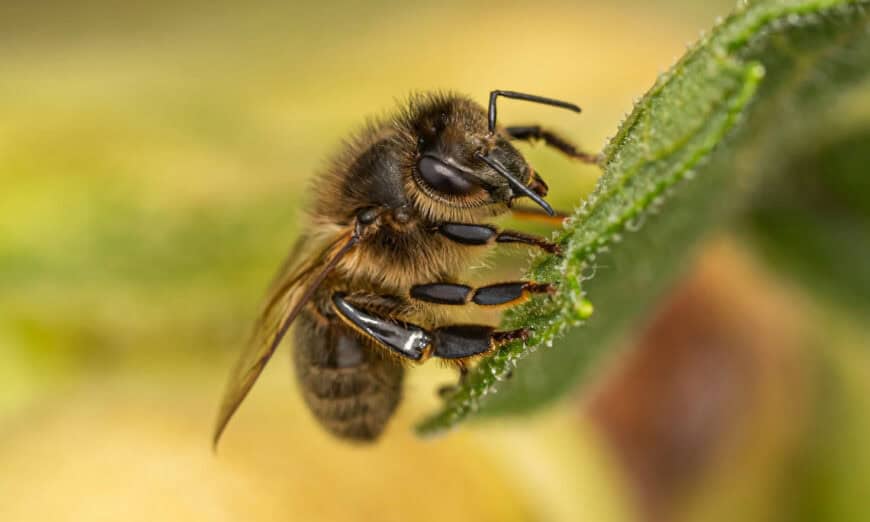
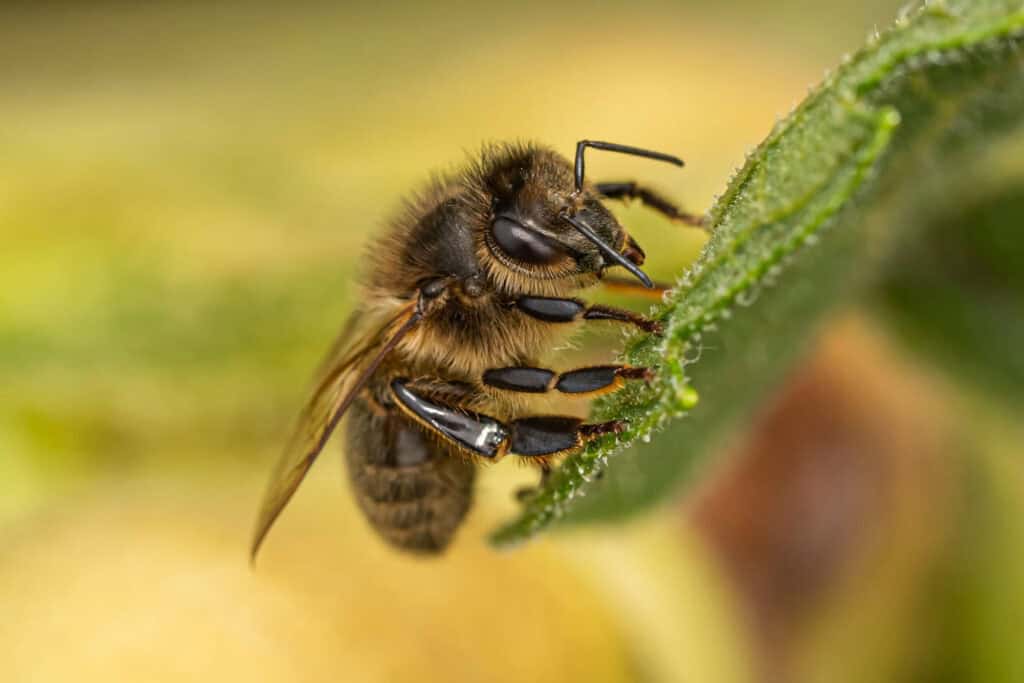
Macro photography opens up a completely different world.
It’s where tiny details become massive subjects. Textures you’d normally overlook—petals, insects, water droplets—suddenly become the entire story. But capturing that level of detail isn’t just about getting close. It’s about control.
Control of light.
Control of focus.
Control of movement.
That’s why building a proper macro setup matters.
If you’re getting started—or looking to level up—this guide breaks down the essential tools that help you create sharp, intentional, and professional macro images.
Core Stability: Why Your Tripod Matters More Than You Think
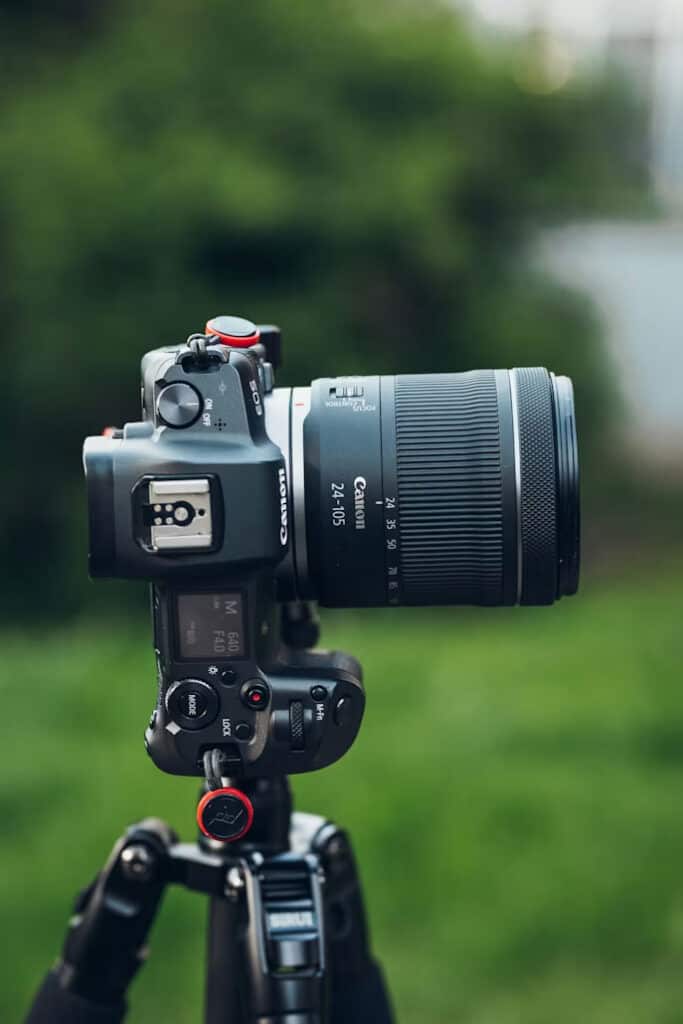
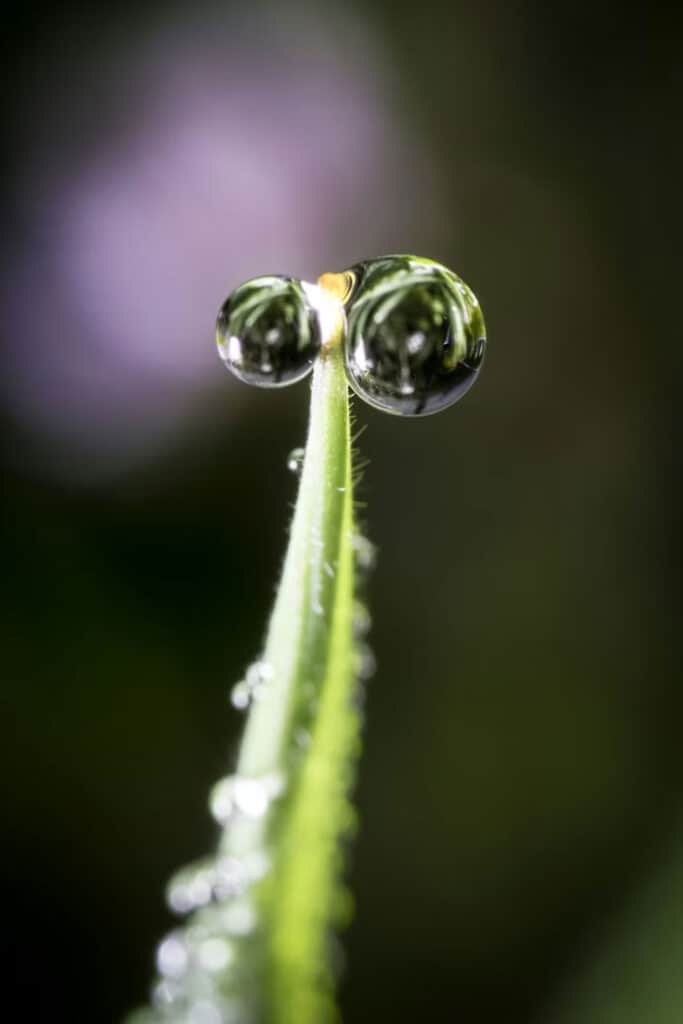
In macro photography, even the smallest movement can ruin a shot.
When you’re working at high magnification, slight vibrations become exaggerated. That’s why a solid tripod isn’t optional—it’s foundational.
The Manfrotto 290 Xtra MT290XTA3 is a great example of a macro-friendly support system. With multiple leg angle positions, it allows you to get extremely low to the ground—perfect for nature macro work like flowers, insects, and ground-level textures.
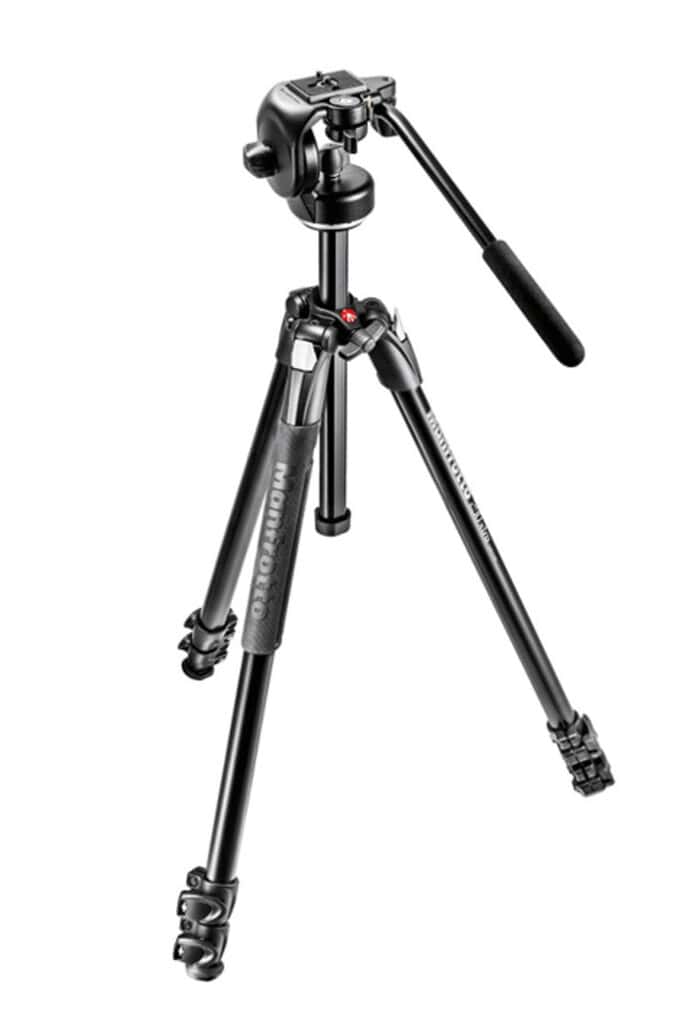
The Manfrotto 290 Xtra MT290XTA3 is a great example of a macro-friendly support system. With multiple leg angle positions, it allows you to get extremely low to the ground—perfect for nature macro work like flowers, insects, and ground-level textures.
What matters most:
- Stability during long exposures
- Flexibility in positioning
- The ability to shoot close to your subject without awkward setups
A strong tripod is what turns “almost sharp” into tack sharp.
Precision Lighting: Bringing Out Texture and Detail
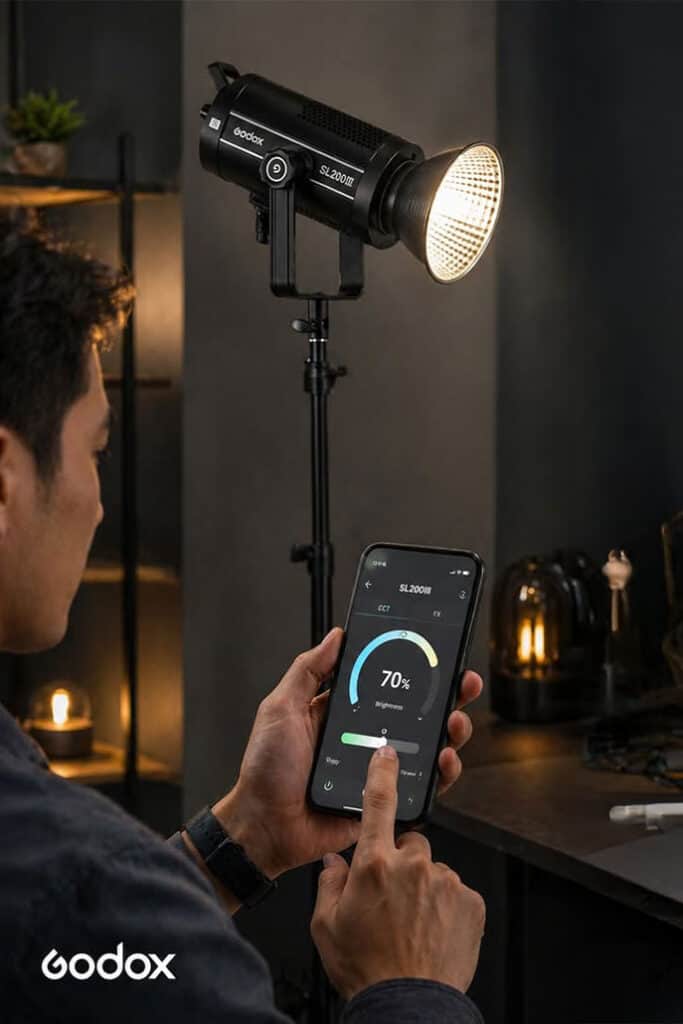

Light defines macro photography.
At this scale, shadows, highlights, and texture become everything. Natural light can work, but having control over your lighting opens up far more creative possibilities.
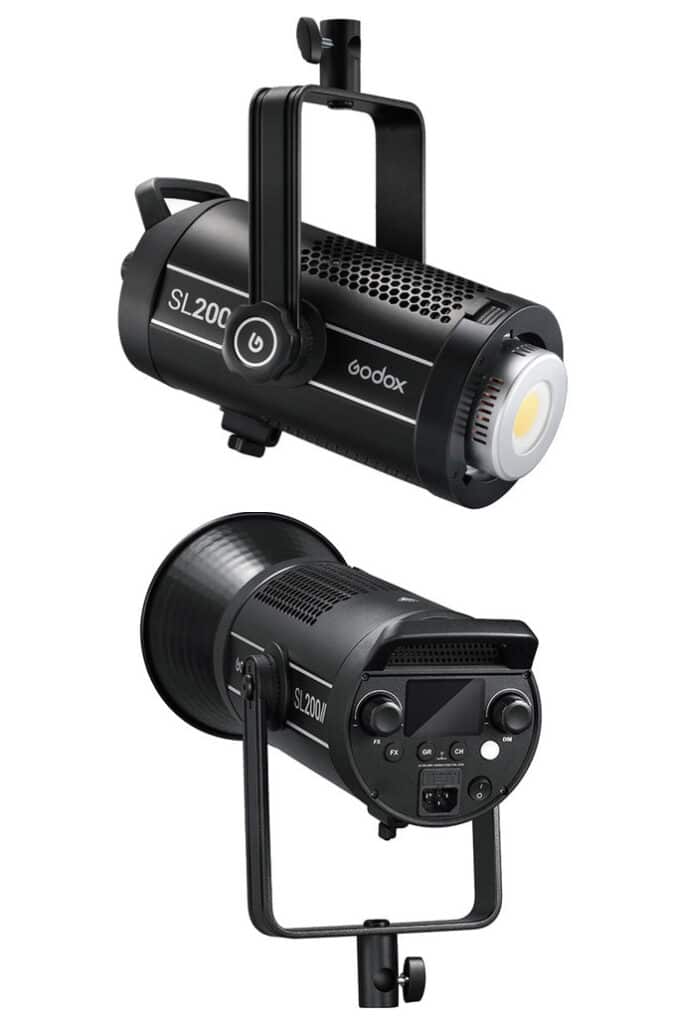
The Godox SL200 II W LED Video Light is a powerful option for both photographers and videographers.
Its high colour accuracy (CRI 96+) ensures that subtle tones are reproduced faithfully, while silent operation makes it ideal for video or quiet environments.
Why lighting matters:
- Defines surface texture
- Creates separation from the background
- Adds depth to small subjects
- Enables consistent shooting conditions
Whether you’re shooting products, insects, or abstract textures, controlled lighting is what brings your subject to life.
The Critical Adjustment: Focusing Rails for True Precision
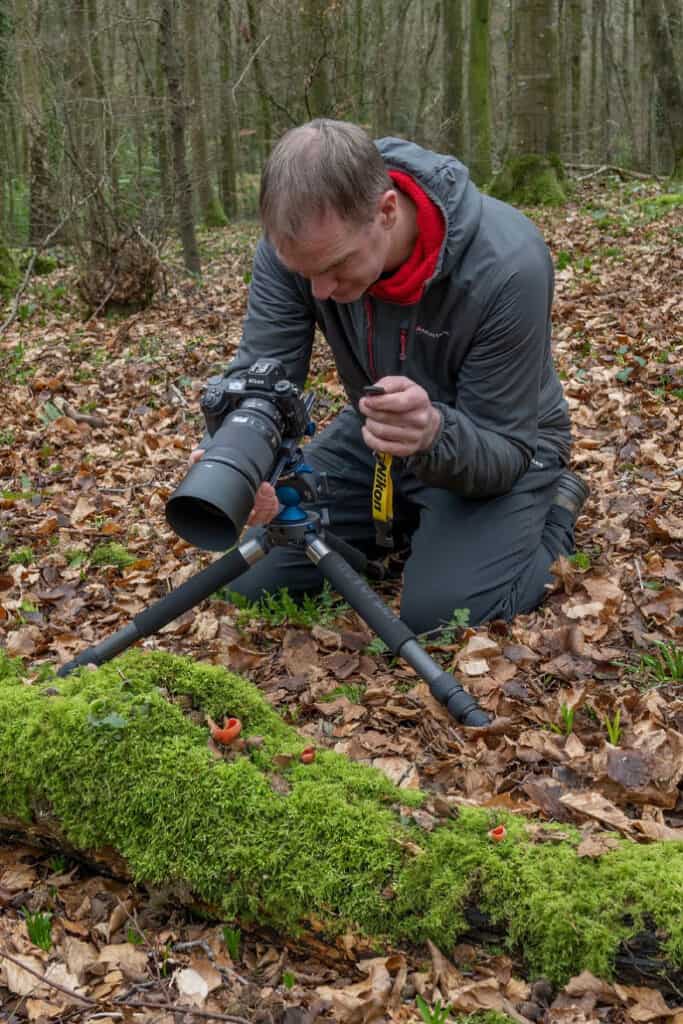

At macro distances, depth of field becomes razor thin.
Even at smaller apertures, you may only have a fraction of your subject in focus. That’s where focusing rails come in.
Instead of adjusting focus through your lens, a rail lets you move the entire camera forward and backward in incredibly small increments.
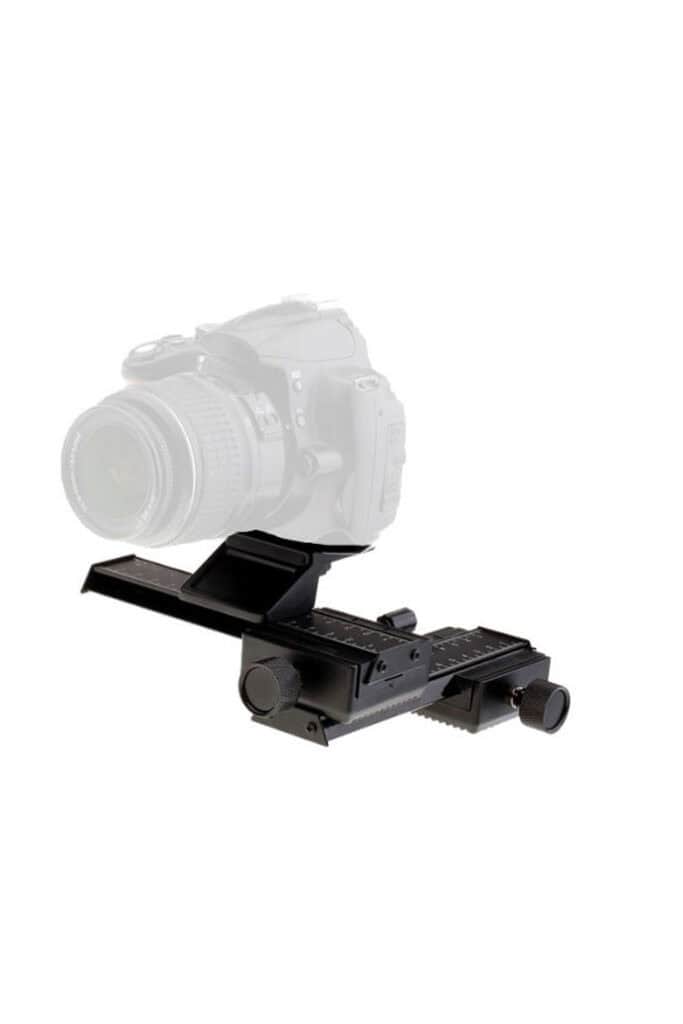
Tools like the Cameron Mag Slider Macro Rail are designed for this exact purpose. With smooth, geared movement, they allow for precise adjustments—perfect for focus stacking, where multiple images are combined to create one fully sharp photo.
Why use a rail:
- More accurate than manual focusing
- Essential for stacking workflows
- Allows repeatable, controlled movements
If you’re serious about macro, this is one of the biggest upgrades you can make.
Performance Storage: Keeping Up With Your Workflow

Macro photography often involves shooting multiple frames—especially when focus stacking.
That means speed matters.
Fast memory cards prevent your camera buffer from slowing you down and keep your workflow smooth.
For high-performance shooting:
- SanDisk CFexpress Extreme Pro Type B offers ultra-fast write speeds (up to 1200 MB/s), ideal for burst shooting and video
- SanDisk Extreme PRO SDXC UHS-II is a reliable choice for high-resolution stills with consistent performance
When you’re capturing hundreds of frames in a session, storage isn’t just about capacity—it’s about speed and reliability.
Building Your Macro Studio: Control Creates Creativity
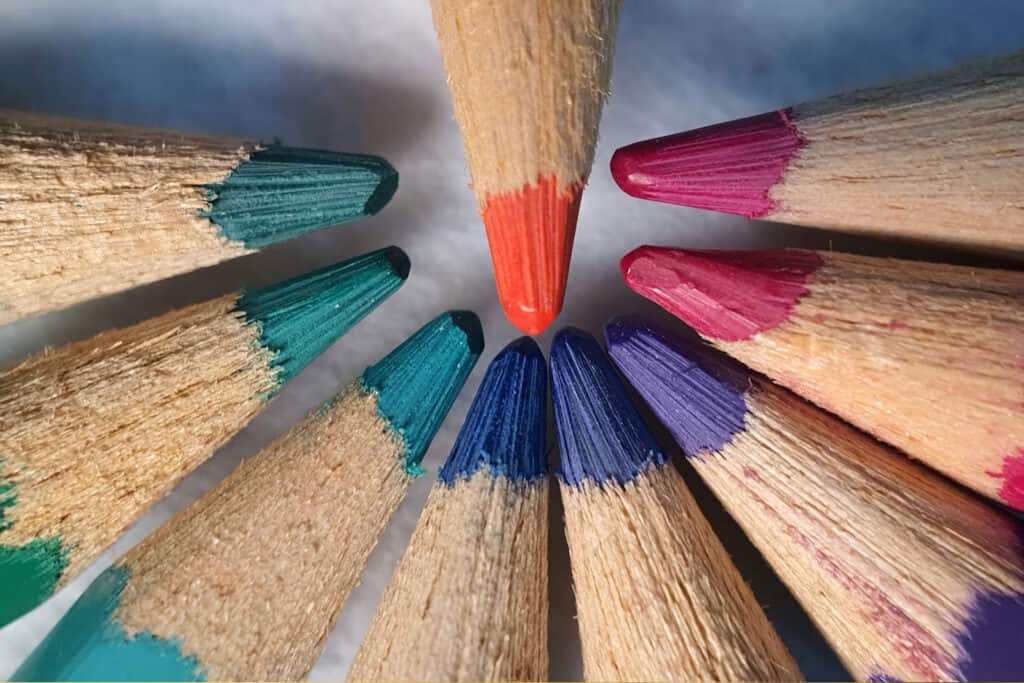
Macro photography is often less about chasing moments and more about building them.
In a controlled setup—whether at home or in a studio—you can:
- Shape your light exactly how you want
- Position your subject precisely
- Capture multiple exposures for stacking
- Experiment with composition and texture
This is where macro becomes more than photography—it becomes world-building.
And the right tools make that possible.
Essential Macro Tools at a Glance
| Tool | Why It Matters | Best Use |
|---|---|---|
| Manfrotto 290 Xtra | Stability + low angles | Nature macro |
| Godox SL200 II | Controlled lighting | Studio & video |
| Cameron Mag Slider Macro Rail | Precision movement | Focus stacking |
| SanDisk CFexpress | Speed | Burst & video |
| SanDisk UHS-II SD | Reliability | High-res stills |
Start Small. Think Big.
Macro photography doesn’t require a massive setup to begin—but the right tools will dramatically improve your results.
Start with stability.
Add controlled lighting.
Refine your focus.
Support your workflow.
From there, you’re not just taking photos—you’re creating images that reveal a world most people never see.
Explore
- The Ultimate Guide To Macro Photography: Capturing The Minute
- Mastering Macro Bird Photography: Capturing the Hidden Details of Nature
- Versatility – The Mid Focal Length Macro Lens
- Getting Closer: Close-up and Macro Photography
- 3 Simple Tools for Better Macro & Close-Up Photography